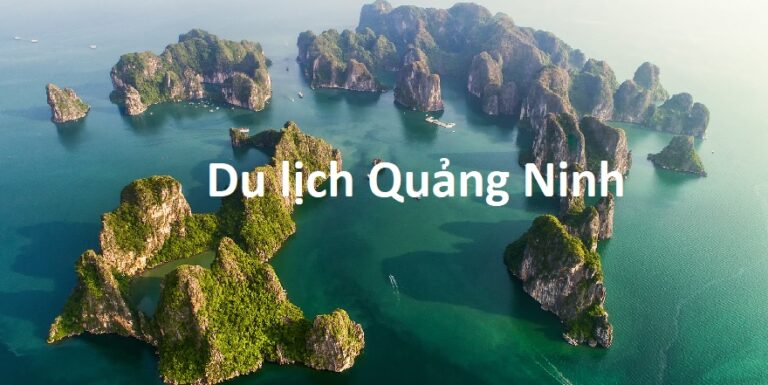
Halong Bay is one of the world’s premier natural wonders, twice recognized by UNESCO as a World Natural Heritage site. Boasting over 1,900 majestic limestone islands and islets, Halong Bay creates a breathtaking and unrivaled landscape. To fully appreciate the enchanting beauty of Halong Bay, a substantial investment of time and resources is traditionally required. However, for those with only a half-day to experience its splendor, Route 2 remains the quintessential choice to witness the bay’s most magnificent panoramas.

General Overview of Route 2 Halong Bay Sightseeing
Sightseeing Route 2 is officially designated as: Cruise Port – Cave Park Conservation Center Zone. It permits discerning travelers to explore the most celebrated landmarks of Halong Bay, including: Soi Sim Island, Titov Island, Sung Sot (Surprise) Cave, Bo Nau Cave, Luon Cave, Dong Tien (Fairy Lake) Cave, Trong (Drum) Cave, Trinh Nu (Virgin) Cave, Tung Sau Pearl Farm, and Me Cung Cave. This is the exclusive route that encompasses Titov Island, home to the only permitted swimming beach in Halong Bay.
To truly uncover the majesty of Halong Bay, guests may select from 5 primary authorized sightseeing routes. Route 1 and Route 2 are the most favored by travelers, capturing over 97% of daily visitors to Halong Bay. Nevertheless, because Route 2 encompasses an abundance of attractions, day-cruise operators often curate the itinerary to fit practical scheduling. In reality, excursions on this route typically span 6 to 8 hours, featuring key highlights such as: Titov Island, Sung Sot Cave, Luon Cave, Trong Cave, Finger Islet, and Fighting Cocks Islet.

Routes 1 and 2 departing from Halong International Cruise Port
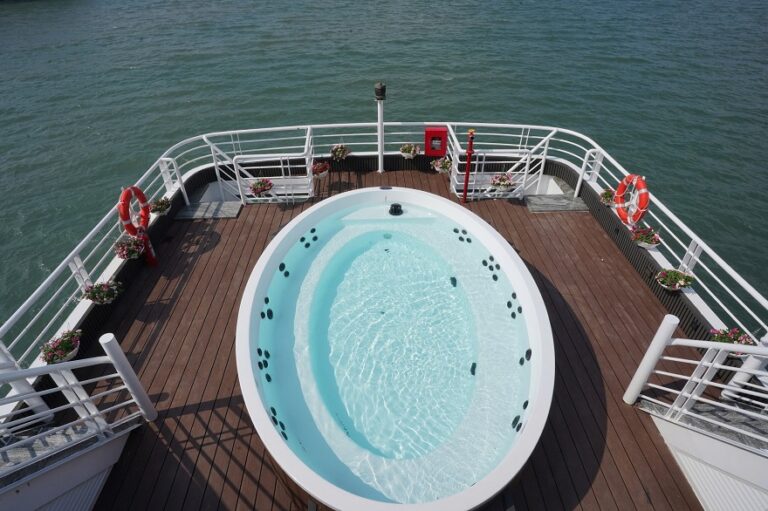
Guests wishing to experience Route 2 can choose between joining a shared group tour or chartering a private vessel. Route 2 offers an extensive selection of vessels, spanning categories from classic to ultra-luxury. Typically, standard vessels accommodate between 48 and 72 passengers, while high-end luxury ships offer capacities ranging from 99 to 500 guests.
- Route 2 Itinerary: Titov Island, Sung Sot Cave, Luon Cave, Trong Cave, Finger Islet, Fighting Cocks Islet.
- Duration: 6 to 8 hours per excursion (While the standard regulated duration is up to 4 hours, peak-season operations may be streamlined to 2.5 – 3.5 hours).
- Shared Tour Cost for Route 2 (6-8 hours): VND 490,000 – 1,300,000 per guest (depending on the vessel class, from standard to luxury).
- Private Charter Cost: VND 3,000,000 – 4,000,000 per trip (for a 48-seat vessel, excluding entrance tickets at VND 290,000 per person).
Introduction to Attractions on Route 2 of Halong Bay
Halong Bay currently features two primary departure ports: Tuan Chau International Passenger Port and Halong International Cruise Port. Due to their distinct geographical locations, cruises departing from these two ports follow slightly different approaches to the attractions. Travelers opting for a standard vessel on Route 2 are advised to depart from Tuan Chau Port, as standard Route 2 ships departing from Halong International Port may occasionally omit certain stops, such as Fighting Cocks Islet. Because departures from Tuan Chau Port are situated closer to the route, they generally offer a more complete itinerary than those from Halong Port.
However, guests indulging in luxury high-end vessels will find it preferable to depart from Halong International Cruise Port, which boasts a more diverse selection of premium maritime experiences. Operating on a strict schedule of one departure per day, luxury vessels ensure that no stops on the itinerary are bypassed. Below, Halong & Lan Ha Bay Cruise Tours presents an overview of the iconic destinations included in this journey for your consideration.
1. Soi Sim Island
Soi Sim is a pristine islet nestled in the southwestern expanse of Halong Bay, approximately 10 km from Tuan Chau Bridge and 700 meters from Titov Island. The name “Soi Sim” originates from a uniquely charming local history. Historically, the dominant flora on the island was the sim fruit (scientifically known as *Rhodomyrtus tomentosa*). Because the berries possess a delightful sweetness, locals frequented the island to forage for them, leading to the name Soi Sim (meaning “seeking sim fruit”). Visiting during the summer reveals hillsides blanketed in vibrant purple sim blossoms—and it is nearly impossible to resist picking a few delectable wild berries!
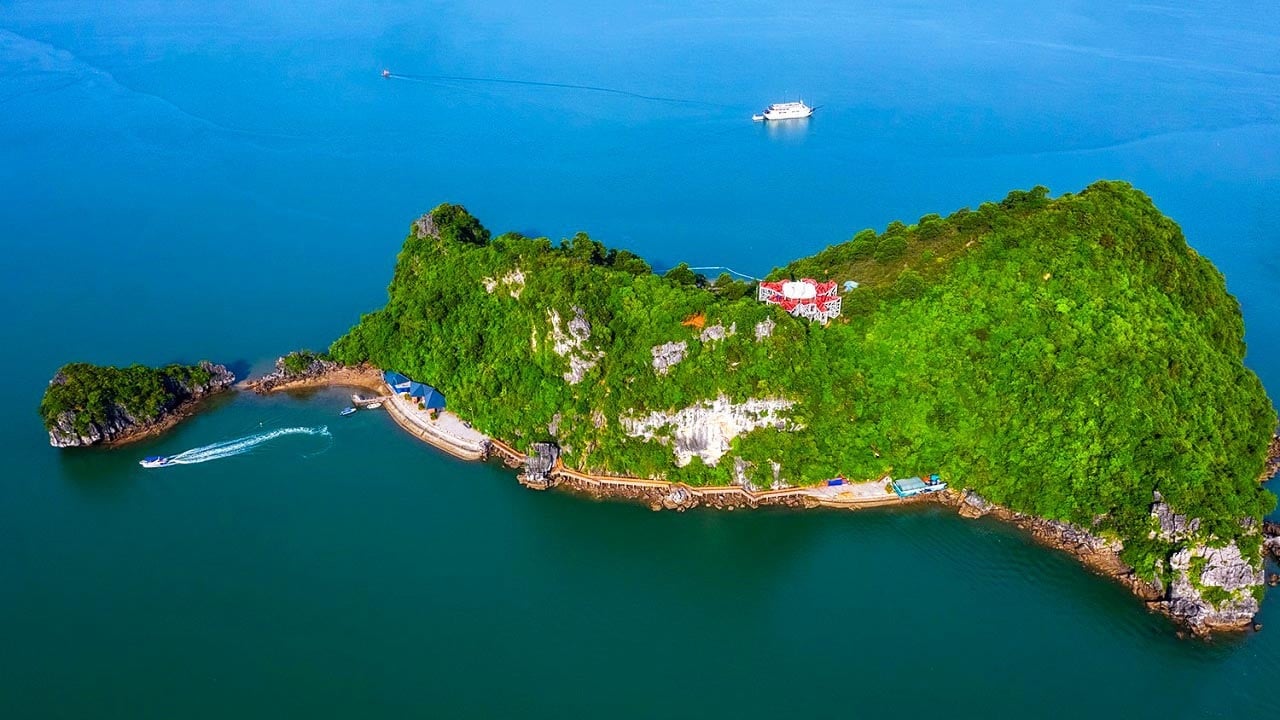
Encompassing an area of 8.7 hectares, Soi Sim features twin peaks rising 100 meters above sea level. The island possesses a distinctive geological composition, with two-thirds of its terrain covered in feralit soil and red clay. Thanks to the nutrient-rich oxisol soil, the local flora is exceptionally lush, fostering a vibrant and diverse ecosystem. According to many travelers, this dense, verdant ecosystem is one of the most compelling attributes of this newly curated destination. Additional allurements include its tranquil ambiance, pristine air, untouched beaches, and immaculate white sands.
2. Titov Island
Titov Island is widely regarded as one of the most exquisite islands in the Halong Bay archipelago, located roughly 7 km from Tuan Chau Port and 14 km from the Bai Chay tourist precinct. The island curves in a graceful crescent shape, facing Bo Hon Island—home to the renowned Sung Sot Cave.
The island was named in honor of Soviet cosmonaut Gherman Stepanovich Titov, who visited the island alongside President Ho Chi Minh in 1962. Since then, Titov Island has evolved into a beloved landmark, offering an array of world-class amenities for discerning travelers.
At Titov Island, guests can partake in a variety of engaging and restorative activities, including:
- Swimming: The crescent-shaped beach is celebrated for its tranquil ambiance and crystalline, turquoise waters. Fine, ivory-white sands, sculpted by gentle waves, create an absolute coastal paradise.
- Mountain Trekking: The summit rises approximately 200 meters above sea level, offering panoramic, bird’s-eye vistas of the majestic Halong Bay. While the ascent features stone staircases that can be moderately steep, reaching the peak rewards visitors with an unforgettable, breathtaking tableau of natural splendor.
3. Sung Sot (Surprise) Cave
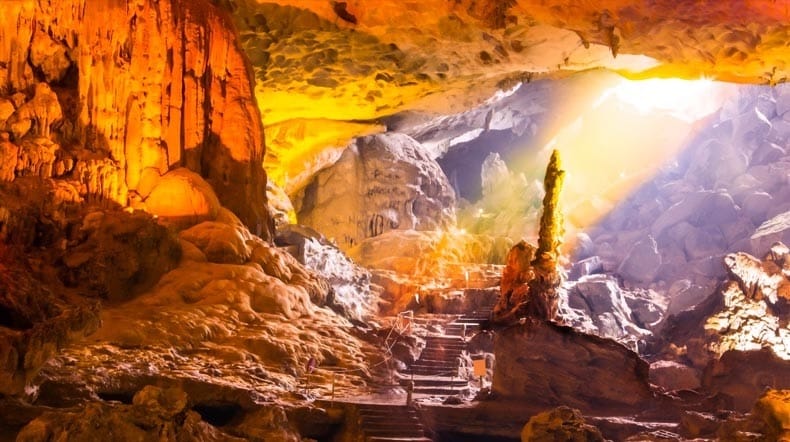
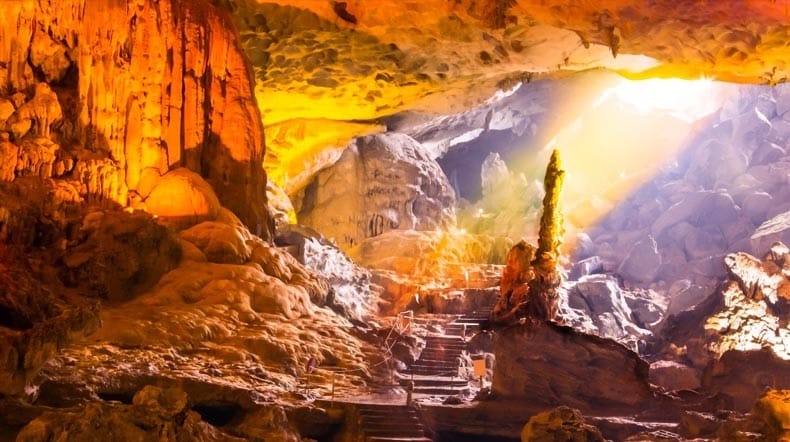
Sung Sot Cave stands as one of the largest and most magnificent caverns in Halong Bay, mesmerizing thousands of international visitors annually. Historically named “Grotte des Surprises” by the French, it translates to “Surprise Cave” because guests entering its chambers are immediately spellbound by the sheer scale and mystical formation of its diverse stalactites and stalagmites. Located on Bo Hon Island alongside another celebrated landmark, Trinh Nu Cave, Sung Sot Cave sits at an elevation of approximately 25 meters above sea level and spans roughly 10,000 square meters. The cavern is divided into three distinct chambers, each offering a unique and mesmerizing landscape adorned with breathtaking natural sculptures fashioned over millions of years, bearing testament to the geological evolution of Halong Bay.
4. Luon Cave
Luon Cave was sculpted through the bio-erosion of seawater against towering limestone cliffs. Nestled within a tranquil lagoon and encircled by dramatic, uniquely shaped karsts, entering the cave requires embarking on a traditional bamboo boat or kayak, gliding through a low, arched entrance approximately 3 meters high resembling a frog’s jaw. This entrance reveals itself fully at low tide, creating an air of supreme mystery and enchantment. Beyond lies an emerald lagoon embraced by sheer limestone walls. Spanning approximately one square kilometer, this secluded sanctuary is affectionately known as the “Paradise Garden” due to its rich and pristine marine biodiversity. Luon Cave is also an idyllic setting for kayaking and relaxation. Furthermore, it holds immense archaeological significance as part of the ancient Soi Nhu culture dating back 18,000 to 7,000 years. On the inner cliff walls of the lagoon, 3 to 4 meters above the current water level, fossilized deposits of mountain snail shells and freshwater mollusks remain preserved—serving as invaluable documentation for prehistoric climatic and environmental studies in Halong Bay.
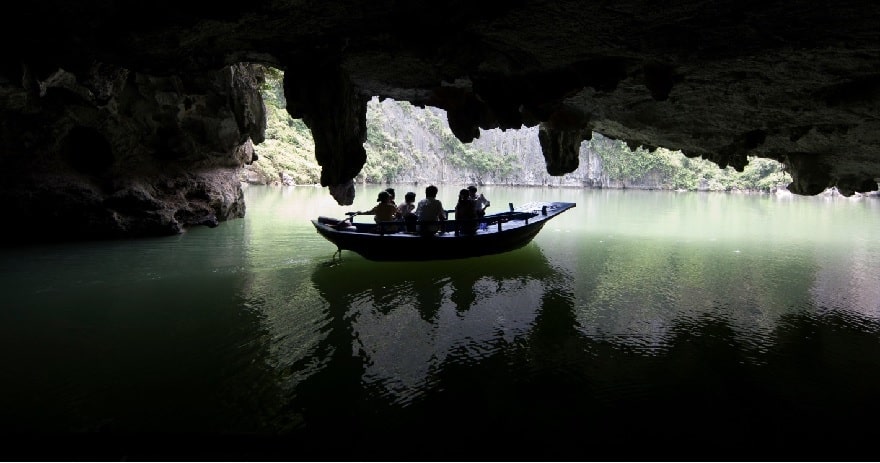
Luon Cave connecting the outer and middle lagoons
5. Dong Tien (Fairy Lake) Cave
Dong Tien Cave is an alluring destination in Halong Bay, shrouding pristine natural secrets and ethereal beauty. According to local legend, celestial fairies frequently descended to earth to bathe in the emerald waters nestled amidst the majestic limestone karsts. Equipped with a flashlight, travelers can venture deep into Dong Tien Cave to admire shimmering, snow-white stalactites adorned with delicate, intricate lacework patterns forged by subterranean water flows over millions of years. This sanctuary is an exceptional spot to immerse oneself in the untamed, mystical elegance of Halong Bay.
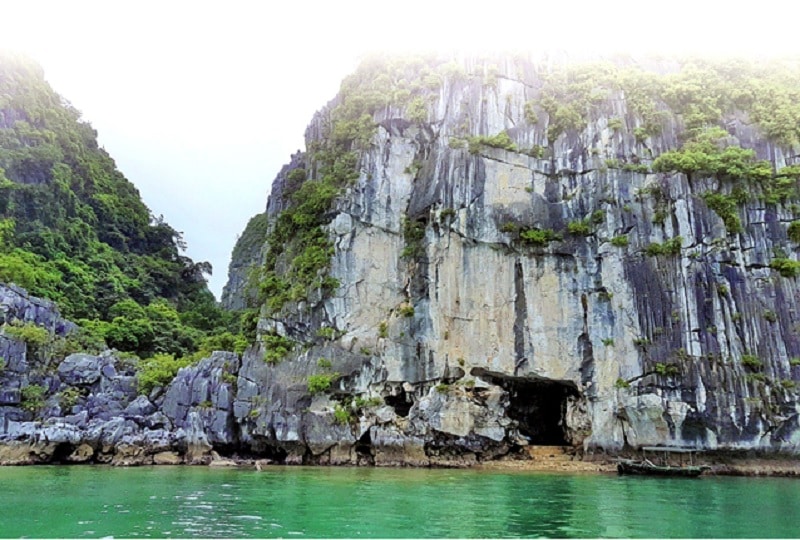
Fairy Lake Cave
6. Trong (Drum) Cave and Trinh Nu (Virgin) Cave
Trong Cave and Trinh Nu Cave are celebrated landmarks situated on the northeastern side of Bo Hon Island. Positioned directly opposite one another, approximately 16 km from Tuan Chau International Passenger Port, these caverns serve as vital archaeological sites bearing witness to human presence tens of thousands of years ago. Spanning roughly 300 square meters, Trong Cave derives its name from the echoing sound of wind passing through its stone crevices, resembling the beating of a traditional drum. Meanwhile, Trinh Nu Cave evokes the silhouette of a young maiden with flowing hair gazing out toward the sea, immortalizing a poignant local folklore of star-crossed romance among fisherfolk.
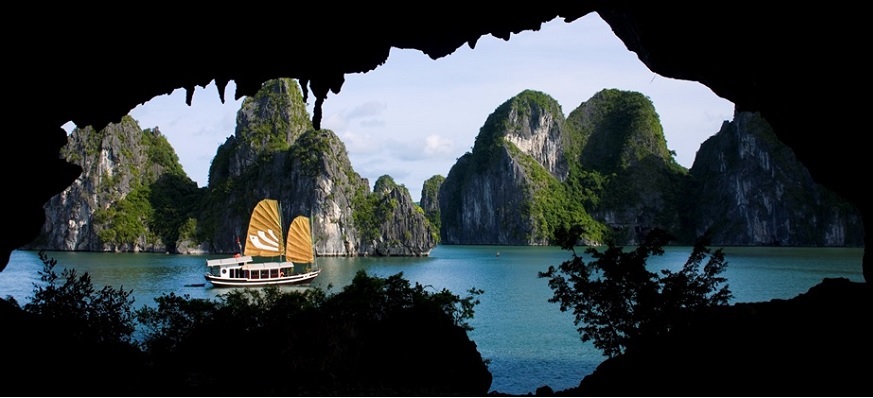
Trong Cave and Trinh Nu Cave
Both caves stand as living testaments to the region’s rich heritage and culture. Traces of yellowish-brown sediment layers, along with freshwater mollusk shells (*Melania*) and mountain snail shells (*Cyclophorus*), remain preserved at the northwestern and southeastern entrances of Trong Cave. Additionally, remnants of other freshwater shellfish, including river snails, clams, and mussel shells, enrich the site’s archaeological value.
7. Tung Sau Pearl Culture Farm
Tung Sau Pearl Farm is a captivating destination within Halong Bay, operated by the Halong Pearl Joint Stock Company. Here, visitors are invited to discover the meticulous art of pearl cultivation—from seeding, nursing, and harvesting to the fine craftsmanship of high-end jewelry creation. Guests can partake in engaging activities such as opening oysters, selecting pearls, and designing bespoke necklaces to their personal taste. Beyond this, travelers are invited to marvel at the surrounding natural splendor, characterized by pristine turquoise waters, dramatic limestone karsts, and tranquil pearl-nursery enclosures.
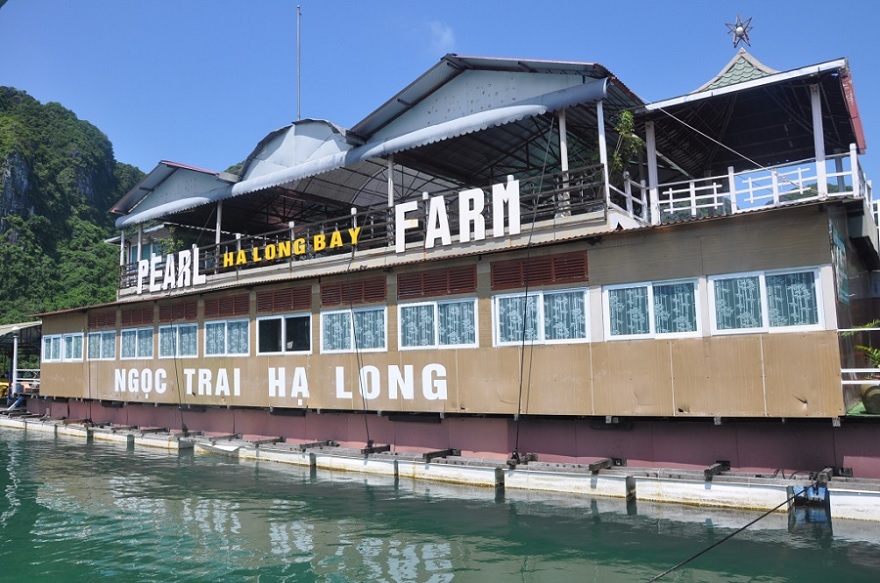
Tung Sau Pearl Farm
Tung Sau Pearl Farm is not merely a tourist attraction but a cultural legacy of Quang Ninh province. Halong pearls proudly hold a 5-star national OCOP (One Commune One Product) certification achieved in 2020, meeting elite international standards. This achievement reflects over a decade of passion, dedication, and tireless endeavor by the Halong Pearl Joint Stock Company—serving as a profound source of pride for the people of Quang Ninh and an exquisite keepsake for travelers visiting Halong Bay.
8. Me Cung Cave
Me Cung Cave (Labyrinth Cave) is a spellbinding stop on Route 2 of Halong Bay. Situated on Lom Bo Island, approximately 2 km southwest of Titov Island, the cave covers an area of roughly 300 square meters at an elevation of 25 meters above sea level. It is a classical karst cave featuring a sophisticated layout of interconnected chambers, levels, and partitions.
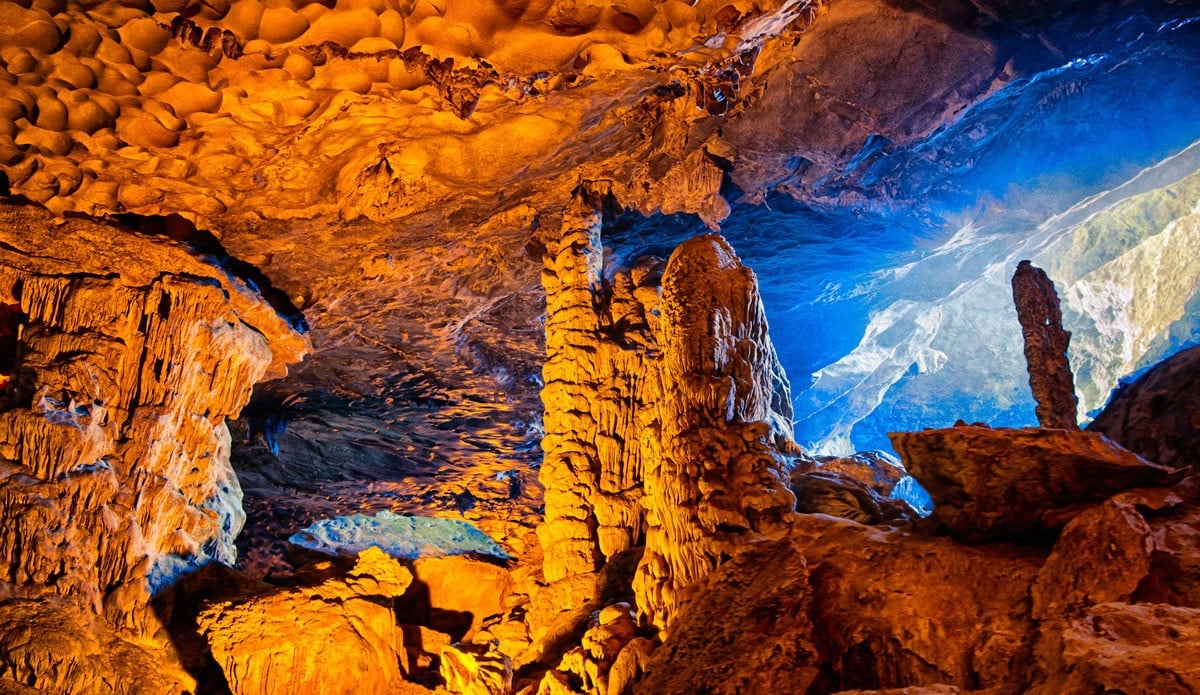
Me Cung Cave – A Journey to Discover the Mysterious Underground World
Beyond its pristine natural allure, Me Cung Cave holds profound historical and cultural value, preserving precious archaeological artifacts that prove human presence here tens of thousands of years ago. Remnants of yellowish-brown sediment layers alongside freshwater snail shells (*Melania*) and mountain snail shells (*Cyclophorus*) are preserved at the northwestern and southeastern entrances1. Additionally, fossilized and semi-fossilized animal bones discovered within the cave offer invaluable insights into the ancient prehistoric habitat, diet, and lifestyle of early Vietnamese populations.