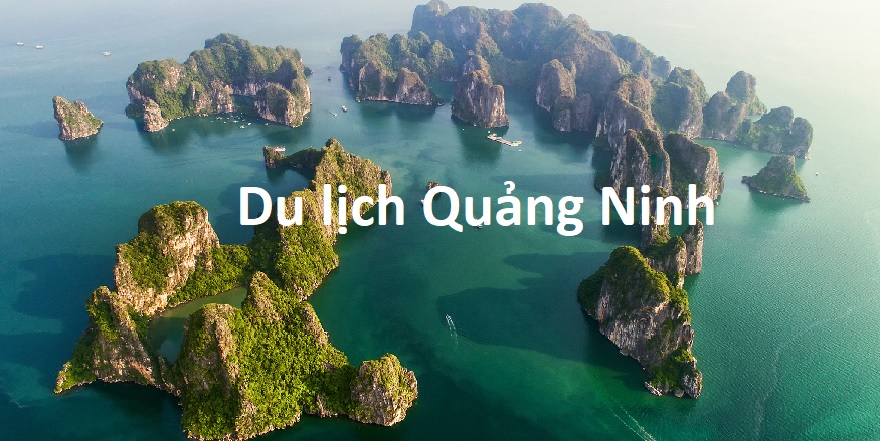
Quang Ninh, a land defined by its majestic natural beauty and rich cultural heritage, is increasingly solidifying its position as one of Vietnam’s premier travel destinations. Renowned not only for Ha Long Bay—a UNESCO World Natural Heritage site—it also captivates travelers with a remarkable diversity of tourism offerings. From island retreats featuring pristine beaches and spiritual journeys to ancient pagodas, to community-based eco-tourism within unique ethnic villages, Quang Ninh offers an array of fascinating and unforgettable experiences.
See more: Quang Ninh Travel Tours
1. Entertainment Tourism
Quang Ninh is rapidly emerging as the premier entertainment hub of Northern Vietnam, thanks to significant investments in world-class, diverse amusement parks and modern leisure complexes. Below are the must-visit destinations for travelers seeking excitement and novel experiences:
Ha Long Bay
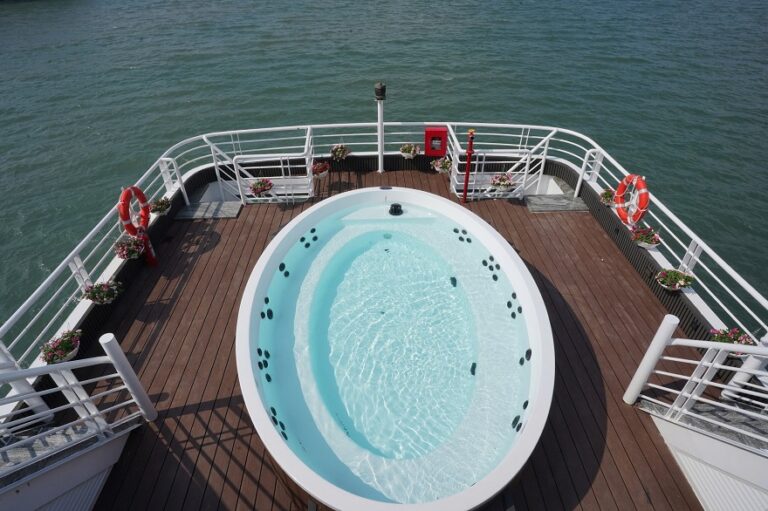
Ha Long Bay, a UNESCO-recognized natural wonder of the world, is an unmissable highlight of any trip to Quang Ninh. With thousands of limestone karsts rising majestically from turquoise waters, the bay boasts an ethereal, poetic beauty that enchants every visitor. One of the most sophisticated ways to fully immerse yourself in the splendor of Ha Long Bay is by embarking on a luxury cruise. Cruising the bay provides travelers with a variety of unforgettable experiences:
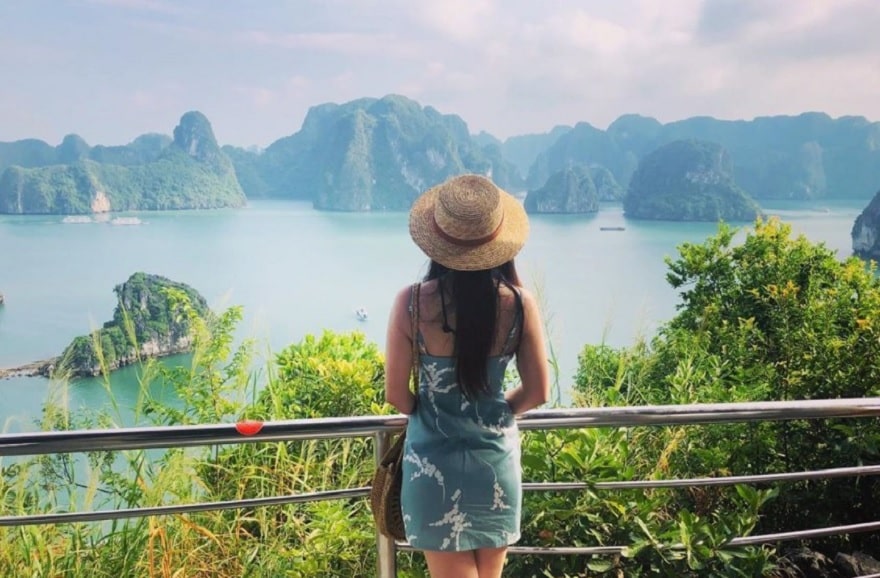
The majestic panorama of Ha Long Bay from the summit of Titop Island
To fully explore and experience Ha Long Bay, travelers can choose between day cruises or overnight voyages. Day trips are ideal for those with limited time, offering a cost-effective way to witness iconic landmarks such as Fighting Cocks Islet and Thien Cung Cave. Conversely, overnight cruises are perfect for those wishing to immerse themselves in a serene, romantic atmosphere, allowing ample time to capture the breathtaking sunset and sunrise, or engage in activities such as night squid fishing and kayaking.
Sun World Halong Complex
Sun World Halong Complex is a sprawling 200-hectare entertainment destination located in the Bai Chay ward of Ha Long City, Quang Ninh Province. Divided into three primary zones—Dragon Park, Typhoon Water Park, and Mystic Mountain—this complex was developed by the Sun Group in 2016 and stands as one of the leading theme parks in Vietnam and the broader region.

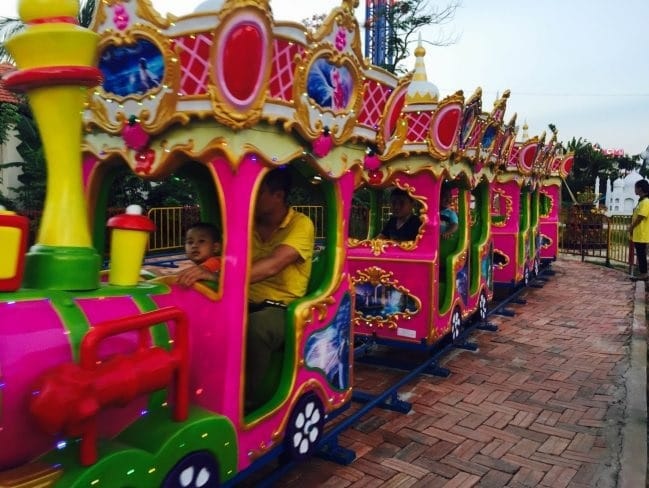
The centerpiece of Sun World Halong is its trio of parks: Dragon Park, featuring 21 thrilling rides for all ages, ranging from high-speed roller coasters to the Dragon Train; Typhoon Water Park, which offers 12 exciting European-style water attractions including wave pools, lazy rivers, and winding slides; and finally, the Queen Cable Car. This remarkable feat of engineering holds two Guinness World Records for the longest cable car and the highest distance between two pillars. As Asia’s first reversible cable car system with a double-decker cabin capable of holding 230 passengers, it offers an unparalleled panoramic view of the magnificent Ha Long Bay from above.
Tuan Chau Park
Tuan Chau Park, also known as Tuan Chau Entertainment Complex, is the largest theme park on Tuan Chau Island and the second largest in Quang Ninh. Following significant expansions and the introduction of new attractions in 2022, visitors can now enjoy a wide array of activities, including adrenaline-pumping rides and a dedicated dinosaur park.
Among the many attractions at Tuan Chau Park, the dolphin performance arena is an absolute must-see. It is the only venue in Northern Vietnam featuring captivating dolphin and seal shows. The amphitheater, designed with a unique dome structure, accommodates up to a thousand spectators. Here, visitors can marvel at the impressive and delightful performances by dolphins, seals, and sea lions. The dolphins showcase remarkable skills such as jumping through hoops, spinning, ball balancing, and even sharing a kiss with their trainers. The seals and sea lions are equally charming, entertaining guests with activities like riding bicycles, playing basketball, and performing circus-like feats.
See more: The Ultimate Halong Bay Travel Guide: Everything You Need to Know
2. Cultural and Spiritual Tourism
Quang Ninh is not only gifted with breathtaking natural landscapes but is also a region steeped in rich cultural and historical traditions. Cultural and spiritual tourism here offers travelers a unique opportunity to explore profound spiritual values and gain insights into the vibrant religious life of the locals. Some of the most prominent spiritual destinations include:
Yen Tu Pagoda:
Yen Tu Pagoda, often referred to simply as Yen Tu, is part of the Dong Yen Tu scenic relic complex located in Nam Mau village, Thuong Yen Cong commune, Uong Bi city, Quang Ninh province. It is a vast complex consisting of numerous pagodas, hermitages, and towers stretching from the foothills to the sacred summit of Yen Tu Mountain. Notable structures include Trinh Pagoda, Giai Oan Pagoda, Mot Mai Pagoda, Hoa Yen Pagoda, Lan Pagoda, Bao Sai Pagoda, Van Tieu Pagoda, and finally, the Bronze Pagoda (Chua Dong) at the peak. Unlike the grand, record-breaking temples like Bai Dinh (Ninh Binh) or Tam Truc (Ha Nam), Yen Tu exudes an aura of ancient charm and foundational history, blending the pristine mountain air with a deep sense of Buddhist sanctity.
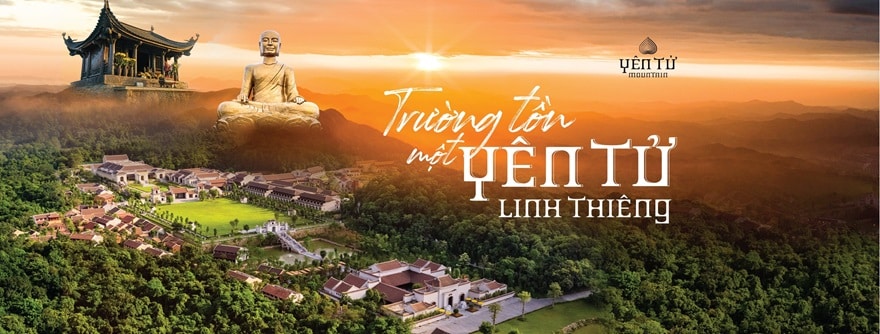
Yen Tu Pagoda
Yen Tu Pagoda is revered as a sacred site in the consciousness of generations of Vietnamese people, often regarded as the capital of Vietnamese Buddhism. This is where King-Monk Tran Nhan Tong practiced, achieved enlightenment, and founded the Truc Lam Zen sect, which carries a distinct Vietnamese identity and has served as a cornerstone for the flourishing of the nation’s Buddhist and patriotic spirit to this day.
Cua Ong Temple
Cua Ong Temple, also known as Cua Suot Temple due to its location next to the Cua Suot sea gate, sits atop Hill 9A in Cua Ong ward, Cam Pha city, Quang Ninh province. The temple is located 40 km northeast of downtown Halong. Cua Ong Temple is built with a “mountain-backed, sea-facing” orientation, possessing excellent feng shui: the Green Dragon to the left, the White Tiger to the right, the Ming Tang in the front, and the Black Tortoise in the back (a fertile valley providing a solid foundation, with the mountain range extending toward Mong Duong).
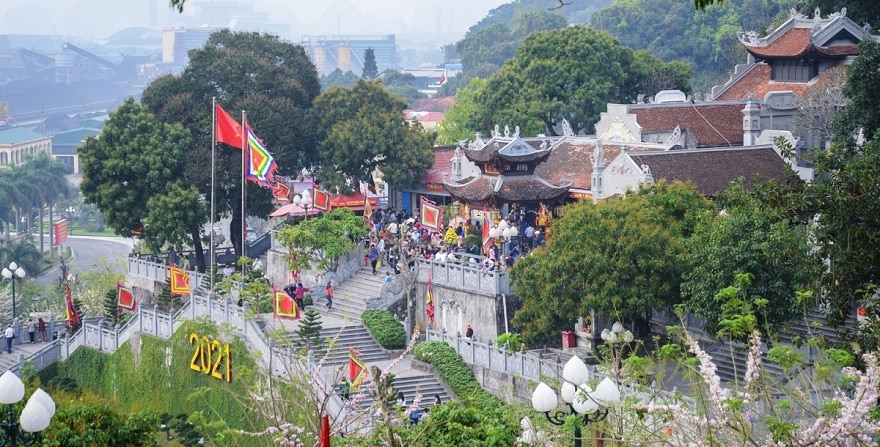
Construction of Cua Ong Temple began approximately 700 years ago during the Tran Dynasty. Originally, it was only the Hoang Tiet Che Shrine, built to honor the national hero Hoang Can, who famously defeated sea invaders during the Tran era. Hoang Can was bestowed the title “Kham Sai Dong Dao Tiet Che” by the kings, a high-ranking position in both domestic and foreign affairs. By the early 20th century, the shrine was upgraded to Cua Ong Temple, and it has since served as the main site for worshiping the Third Duke, Tran Quoc Tang, known as Hung Nhuong Dai Vuong.
Ba Vang Pagoda
Majestically situated on Thanh Dang Mountain amidst a magnificent natural landscape, Ba Vang Pagoda stands as one of the largest and most famous pagodas in Vietnam. Built on a grand scale, the pagoda features unique architecture, most notably its main hall—the largest of its kind in the country, with a capacity of up to 10,000 people. Beyond its awe-inspiring architecture, the pagoda captivates visitors with its sprawling and picturesque natural surroundings.

From the heights above, cast your gaze outward to behold panoramic views of Uông Bí city, the winding Bạch Đằng River, and the shimmering azure expanse of the Đồ Sơn sea. Ba Vàng Pagoda is not merely a spiritual destination attracting throngs of Buddhists for worship and prayers for peace; it is also a sanctuary for travelers seeking to immerse themselves in a serene atmosphere and find tranquility for the soul.
See more: The 9 Most Sacred Pagodas in Quảng Ninh
3. Community-based Ecotourism
Quang Ninh is not only defined by its azure seas, pristine white sands, and golden sunshine but also boasts vast primeval forests and tranquil ethnic villages, making it an ideal destination for community-based eco-tourism. Let us explore the untouched beauty, immerse ourselves in nature, and experience authentic local life at these unique destinations:
Dong Son – Ky Thuong Nature Reserve
Located in Hoanh Bo district, Quang Ninh province, the Dong Son – Ky Thuong Nature Reserve is a specialized forest area of high biodiversity. It stands as a prime example of a closed forest ecosystem, featuring the largest concentration of natural forest in the Northeast region, home to a wealth of rare flora and fauna. This is an alluring destination for travelers who love exploration and conquering natural challenges.
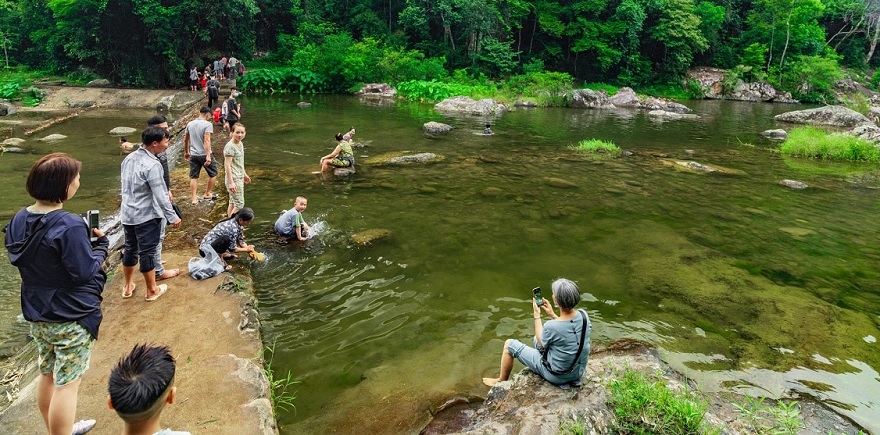
Dong Son Ky Thuong Nature Reserve
The Dong Son – Ky Thuong Nature Reserve possesses an incredibly rich and distinct biodiversity, home to many rare and endemic species, including several listed in both the Vietnam and International Red Data Books. According to scientific surveys, the reserve currently hosts 56 species of mammals—16 of which are listed in the IUCN Red List; 135 species of birds, with 12 included in the IUCN Red List; 31 species of reptiles, with 8 in the IUCN Red List; and 22 species of amphibians. Notably, the reserve’s abundant fauna includes two endemic species: the Chinese crocodile lizard (Shinisaurus crocodilurus) and the Vietnamese salamander (Paramesotriton deloustali).
Regarding woody plants, the reserve hosts 546 species belonging to 332 genera and 97 families. The herb category is equally rich, with 617 species across 380 genera and 119 families. Furthermore, the Dong Son – Ky Thuong Nature Reserve contains 64 rare plant species across 52 genera and 38 families, with 43 species recorded in the Vietnam Red Data Book and 31 in the IUCN Red List. Additionally, the reserve is a treasure trove of medicinal plants, featuring 428 naturally occurring medicinal species from 330 genera and 125 different families.
Binh Lieu: The Hub of Community-Based Eco-Tourism
With the aim of harnessing tourism potential for the benefit of the local community, Quang Ninh province has been prioritizing the development of community-based tourism in recent years. This represents a new strategic direction for sustainable tourism in Quang Ninh, with a goal to welcome 1.7 million domestic and 1.1 million international visitors by 2025, and 3 million domestic and 1.8 million international visitors by 2030, all participating in community-based tourism activities. Leveraging its beautiful natural landscapes and distinct cultural identity, Binh Lieu has carved out its own path for tourism development. Once a rarely visited locality, Binh Lieu has now become an essential destination on the tourism map of Quang Ninh.
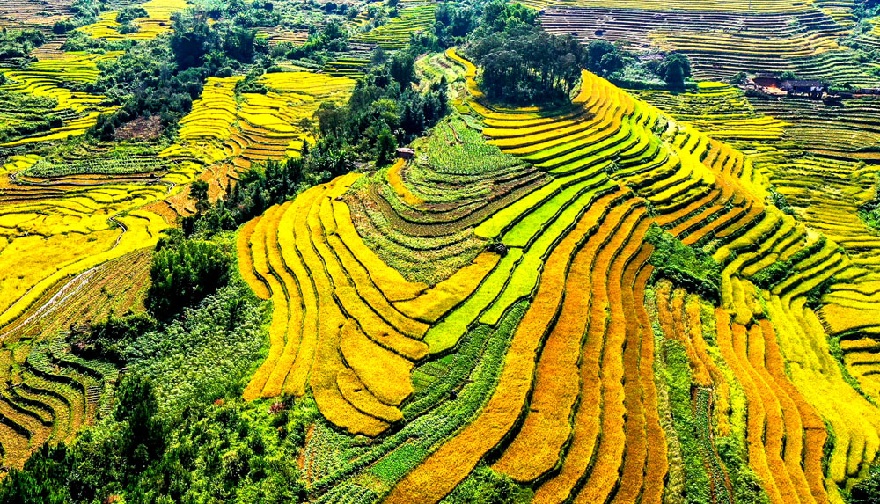
Binh Lieu Terraced Fields
Binh Lieu enjoys cool weather year-round, and with its harmonious terrain, nature has blessed this land with extraordinary gifts in landscape, climate, and people. Visiting Binh Lieu in late autumn and early winter reveals not only majestic trekking routes but also a romantic allure as white reed flowers bloom across hillsides, mountain slopes, and along the border patrol roads. This borderland is shaped by the seamless blend of the majestic, rugged beauty of layered mountains and thrilling trekking paths, combined with the poetic romance of blooming reed hills.
With a population of over 30,000, 96% of whom belong to ethnic minorities, Binh Lieu has the highest percentage of ethnic minority residents in the province and is among the areas with the highest such concentrations in the entire country. The Tay, Dao, and San Chay are the three primary ethnic groups in Binh Lieu. The traditional culture of these groups remains largely intact, forming a diverse and unique cultural foundation for the region. This is expressed through traditional festivals such as the Xom Co Festival, the Kieng Gio Festival of the Dao Thanh Phan people, and the Luc Na Communal House Festival. Folk art performances, including Then singing, Dan Tinh music, Xom Co songs, and Soong Co singing, are carefully preserved and practiced by the locals, creating a remarkably vibrant spiritual life.
See more: Discover Binh Lieu Tourism
Quang Ninh Gate:
Quang Ninh Gate is an ideal destination for visitors to immerse themselves in a space rich in traditional Vietnamese culture. Spanning 12 hectares, this tourism complex is a diverse entertainment hub, featuring a grand gateway, an eco-tourism area, an experiential zone, and a charming countryside-themed village.
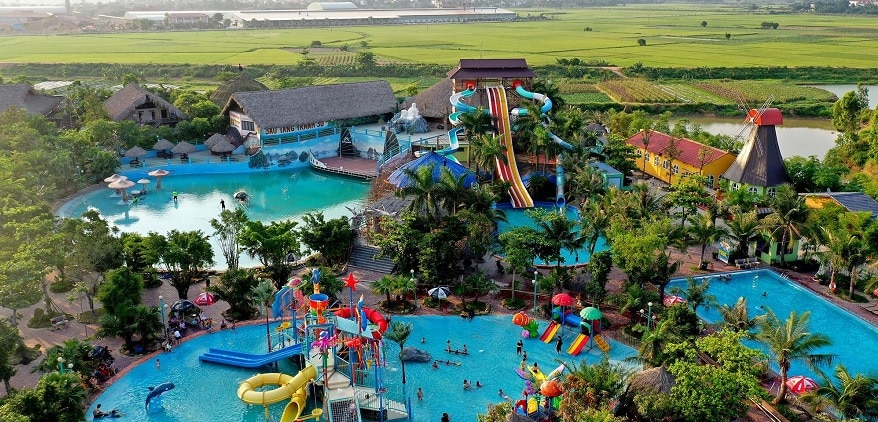
Quang Ninh Gate Tourist Area
Here, visitors are guided through a series of captivating tours led by enthusiastic and knowledgeable local guides. This journey into the origins and values of Vietnamese culture offers enriching and insightful experiences for travelers of all ages, especially students. Furthermore, Quang Ninh Gate provides a comprehensive range of amenities, including high-end restaurants, 4-star standard hotel accommodations, a water park, a theme park, an aquarium, an ancient village district featuring traditional Northern Vietnamese architectural styles, agricultural farming zones, a fishing village, and much more.
Tien Yen Walking Street
Tien Yen is an ancient town established at the beginning of the 20th century. It boasts a harmonious blend of Chinese and French architectural styles. The two-story shophouses are arranged side-by-side with traditional Yin-Yang tiled roofs and lime-washed brick walls, featuring skylights designed for natural illumination and ventilation. The streets, laid out in a grid pattern, are famously devoid of sidewalks. Today, about 40 historic houses remain well-preserved, serving as the focal point of the serene and nostalgic Tien Yen town, continuously attracting visitors. It is this unique charm that defines the allure of Tien Yen Walking Street.

Tien Yen Walking Street featuring the theme of “Vintage Tien Yen”
A major highlight for visitors to Tien Yen Walking Street is the rich diversity of its cultural and artistic activities. The walking street is divided into three main zones: the Gastronomy Zone, the Folk Culture Zone, and the Marketplace. Notably, at the main stage, visitors can enjoy unique and engaging performances every Saturday evening. The programs feature not only renowned artists from within and outside the province but also talented amateur performers from the district’s 11 communes and towns, offering guests a vibrant showcase of the distinct cultural identities of the local ethnic communities.
4. Coastal and Island Tourism
Quang Ninh, boasting a coastline stretching over 250km and thousands of islands both large and small, is a true sanctuary for coastal and island tourism. From the majestic Ha Long Bay and the poetic Tra Co Beach to pristine islands like Co To and Quan Lan, Quang Ninh offers a diverse array of enchanting experiences for travelers seeking to escape the urban hustle and find serene refuge.
Co To Island
Co To, formerly known as Chang Son or Cau Dau, is an archipelago of 71 islands located in the Northeast of Quang Ninh province. Comprising four major islands—Great Co To, Small Co To, Thanh Lan, and Tran Island—this destination boasts breathtaking untouched beaches, rich natural landscapes, and a plethora of exciting exploration activities. In recent years, “Co To tourism” has become a trending search term on Google, yielding 40.3 million results in just 0.43 seconds. Co To was ranked among the top 50 premier destinations in Vietnam by a prestigious French travel publication. Lonely Planet highlights Co To Island as one of the eight top travel destinations in Northern Vietnam, and an international press release by the Vietnam National Authority of Tourism in July showcased Co To as one of the three most beautiful emerging beaches in Vietnam.
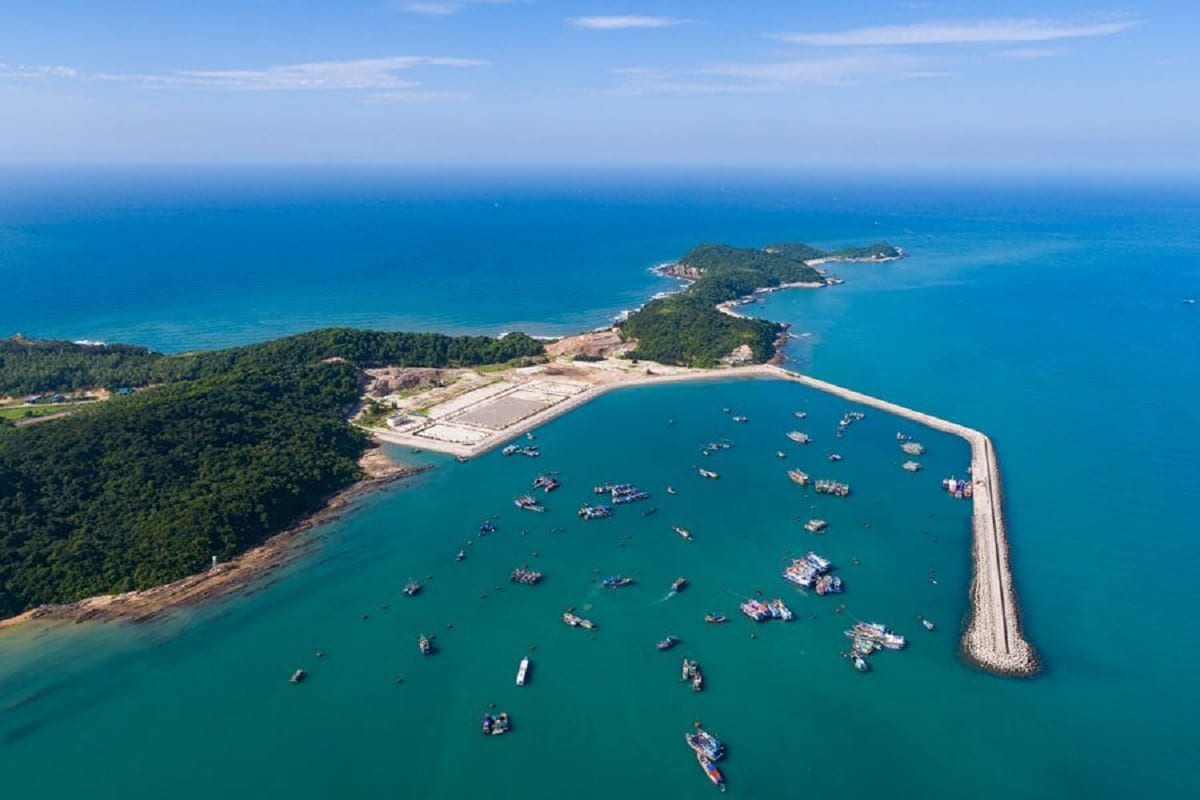
Co To Island
Visiting Co To today, travelers can go beyond simple beach swimming and culinary delights; they can engage in thrilling experiences such as fishing excursions, kayaking, jet skiing, paragliding, or immerse themselves in eco-activities like hiking, jungle trekking, discovering natural forest ecosystems, camping, and exploring the local culture of the islanders.
Quan Lan Island
Quan Lan is a charming island nestled within the poetic Bai Tu Long Bay. Although a relatively new name, it has frequently appeared on the itineraries of Northern travelers seeking summer getaways over the past few years. The island encompasses two communes within Van Don district, Quang Ninh province: Quan Lan and Minh Chau. Covering approximately 11km2, the island exudes a majestic beauty, with towering mountain ranges stretching from Van Don to Mount Got, acting as a sturdy “shield” protecting the peaceful lives of its more than 70,000 residents. Travelers to the island are inevitably captivated by its white sandy beaches, crystal-clear waters, and alluring nature. Furthermore, you will have the opportunity to savor delicious local seafood, visit historical and cultural monuments, and participate in numerous engaging activities. Despite being a home to local residents, the landscape remains largely pristine, featuring three long white-sand beaches and magnificent forests. Quan Lan Island is also a superb place to sample local seafood, as these waters are teeming with squid, flounder, mackerel, and shrimp.
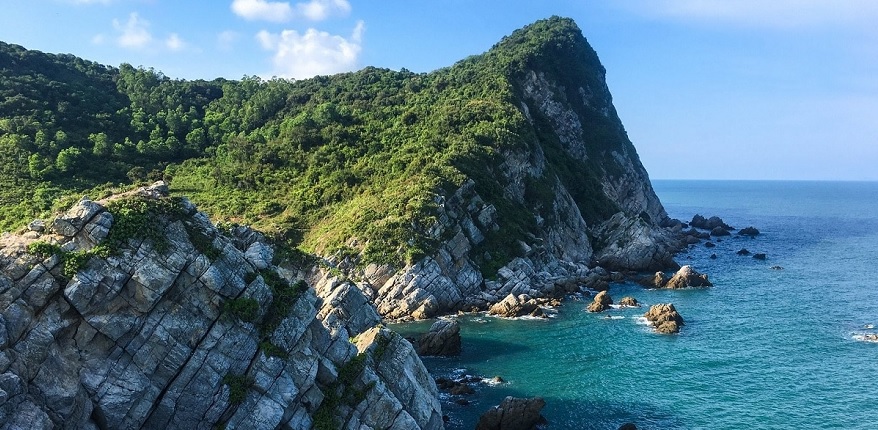
Quan Lan Island
Quan Lan Island is not only endowed with beautiful natural scenery but is also steeped in glorious history and rich traditions. It is home to the Van Don trading port—one of the most vital maritime hubs in ancient Vietnam—which served as a center for cultural and commercial exchange with countries in the region and across the globe. To this day, the island retains many historical monuments and architectural remnants that testify to the significance and development of Van Don in the past.
Ngoc Vung Island
Ngoc Vung Island, also known as “Pearl Island,” is a beautiful and pristine destination situated on the Van Hai island chain, belonging to Van Don district, Quang Ninh province. Covering an area of approximately 12km2 and positioned between Phuong Hoang and Hon Net islands, it holds immense potential for eco-tourism and cultural exploration. The island features a unique and diverse natural landscape, ranging from azure seas and white sands to primeval forests and agricultural and aquaculture zones. Ngoc Vung is also home to valuable historical, cultural, and archaeological sites, providing evidence of ancient commercial and cultural exchanges between locals and neighboring countries.
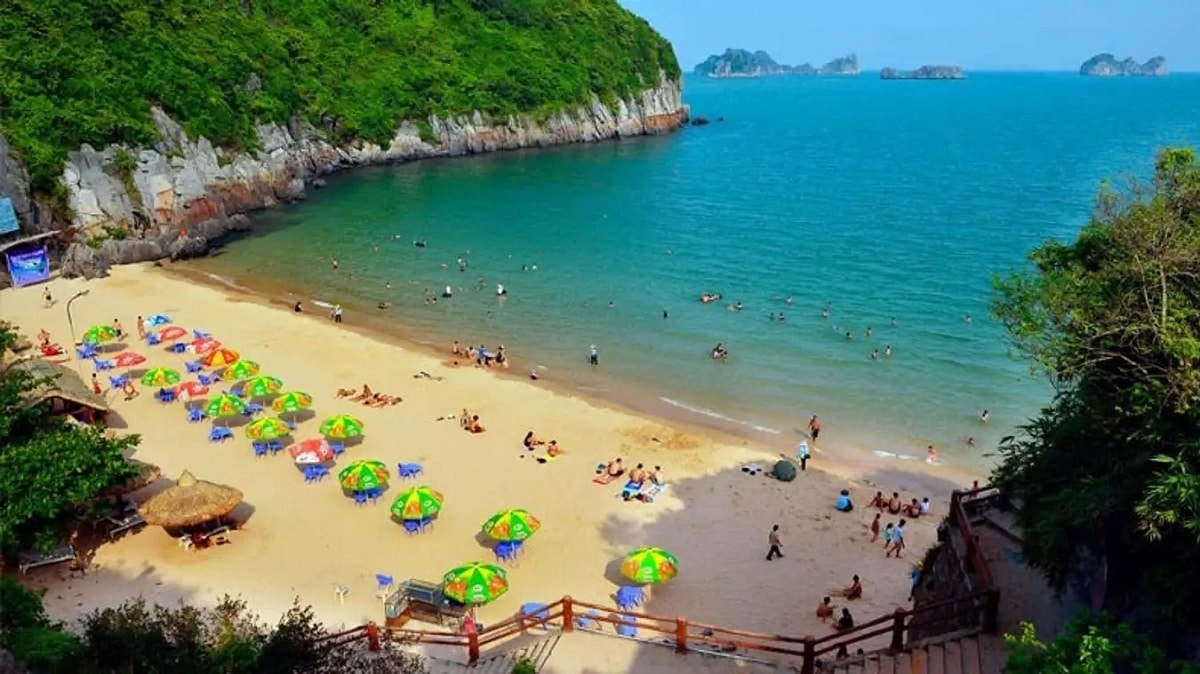
Ngoc Vung Island derived its name from a legend claiming that in the past, the island was home to rare pearls that glowed brilliantly at night. Sailors venturing out to sea often observed a radiance resembling flames appearing in the sky, hence the name “Ngoc Vung” (Glimmering Pearl). This is also the location of the Cong Yen wharf—part of the ancient Van Don trading port, which facilitated trade with regional nations such as China, Japan, and India. During the resistance war against the U.S., Ngoc Vung was a strategic point for protecting the Eastern skies of the Fatherland, where Vietnamese soldiers were stationed to bravely fight against foreign invaders. Furthermore, on the sandy beach on the east side of the island in 1937, stone tools from the Ha Long culture and the late Neolithic period were discovered for the first time, marking the beginning of archaeological excavation and research on the island.
5. Border Tourism
Quang Ninh is not only celebrated for its extensive coastline and picturesque islands, but it also captivates travelers with the distinct allure of its border tourism. Featuring a long border shared with China, this region offers travelers novel experiences, the chance to explore the “frontier of the Fatherland,” and the opportunity to delve into the history, culture, and daily life of the border communities.
Sa Vi Cape
Situated at the northeasternmost point of Vietnam, Sa Vi Cape is a renowned historical and tourist landmark that attracts thousands of visitors for sightseeing each year. It is not only the starting point of Vietnam’s 3,000-kilometer coastline but also a site that commemorates the heroic pages of Vietnamese history. Also known as Got Cape, Sa Vi is located in Tra Co Ward, Mong Cai City, Quang Ninh Province, and is marked by landmark 1378. To the north of Sa Vi Cape lies the Bac Luan River estuary, where the river meets the sea, creating a magnificent and enchanting landscape. At Sa Vi Cape stands a relief sculpture depicting three pine trees reaching toward the sky, inscribed with a verse by the poet To Huu:
From the casuarina forests of Tra Co
to the mangrove forests of Ca Mau
This relief is a distinctive architectural work of Sa Vi Cape; constructed in 2006, it stands 12 meters high and 9 meters wide, crafted from natural stone. The relief not only honors the talent of the poet To Huu but also symbolizes the unity and solidarity of the Vietnamese people from the North to the South.
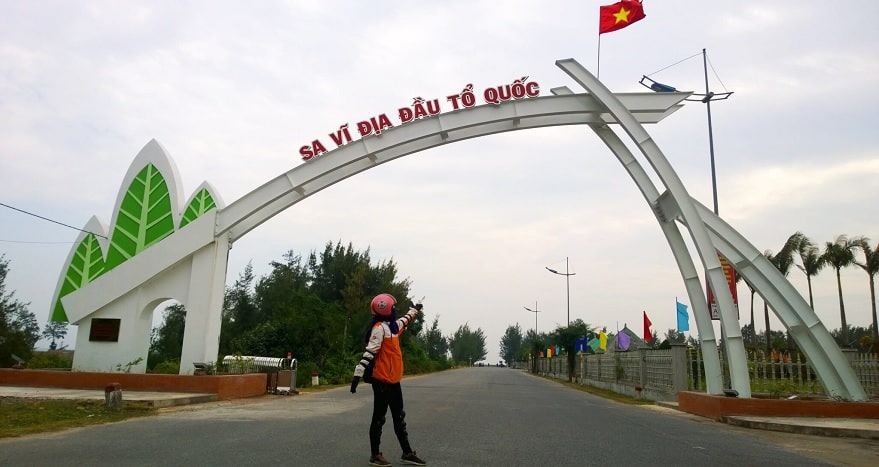
Sa Vi Cape
Tra Co Church
Tra Co Church is a beautiful and venerable religious landmark located in Tra Co Ward, Mong Cai City, Quang Ninh Province. With a history spanning over 80 years, the church was built in a Gothic architectural style, characterized by its pointed arches, soaring bell towers, and intricate wood carvings. Together with Tra Co Beach, Sa Vi Cape, and other local attractions, Tra Co Church has become an essential stop for travelers visiting this frontier of the Fatherland.