Hon Dau Lighthouse is located on Hon Dau Island – a pristine islet situated in the southeast of Hai Phong City, within the Do Son District. Revered as one of Vietnam’s oldest and most captivating maritime landmarks, this historic lighthouse is celebrated as the “Pearl Eye” of the nation. It has historically safeguarded maritime sovereignty and guided vessels safely through the historic Bach Dang Strait, a location of immense strategic importance in Vietnam’s heritage. To reach the island, travelers make their way to Nghien Wharf and board a local boat, with a transfer fee of approximately 100,000 VND per person.
The Architecture of Hon Dau Lighthouse
Hon Dau Lighthouse is a magnificent and architecturally unique masterpiece, originally constructed by the French in 1892 and completed in 1898. As part of the French colonial administration’s ambitious project to establish a maritime beacon system across the East Sea, its primary purpose was to navigate vessels safely through the legendary Bach Dang Strait—a strategically vital location throughout Vietnamese history.
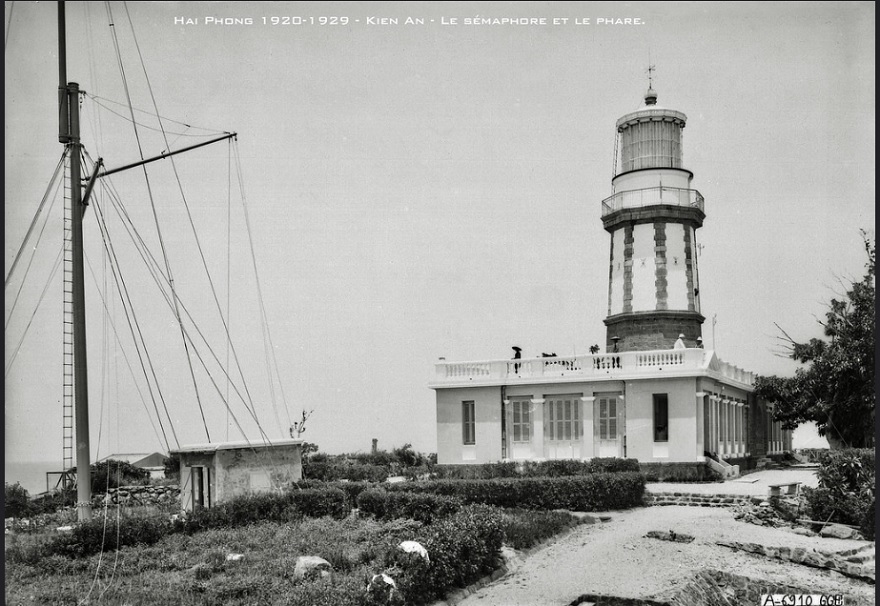
Original design of Hon Dau Lighthouse during the French colonial era
Originally, the tower was built entirely from hand-cut stone blocks adorned with exquisite carvings. However, severe damage was inflicted upon the structure by intense bombings during the American War. Subsequent restorations carefully preserved the vast majority of its classical architectural integrity.
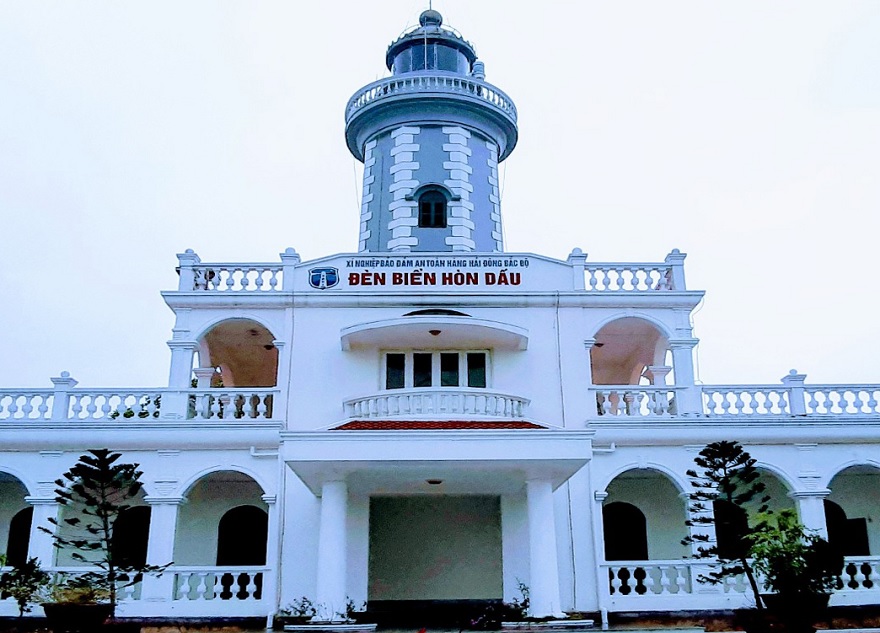
Today, the complex comprises a two-story exhibition building and a striking five-story beacon tower, both designed in the Neoclassical style. A prominent architectural movement in late 18th- and early 19th-century Europe inspired by classical Greek and Roman aesthetics, this style exudes enduring elegance, majesty, and structural harmony.
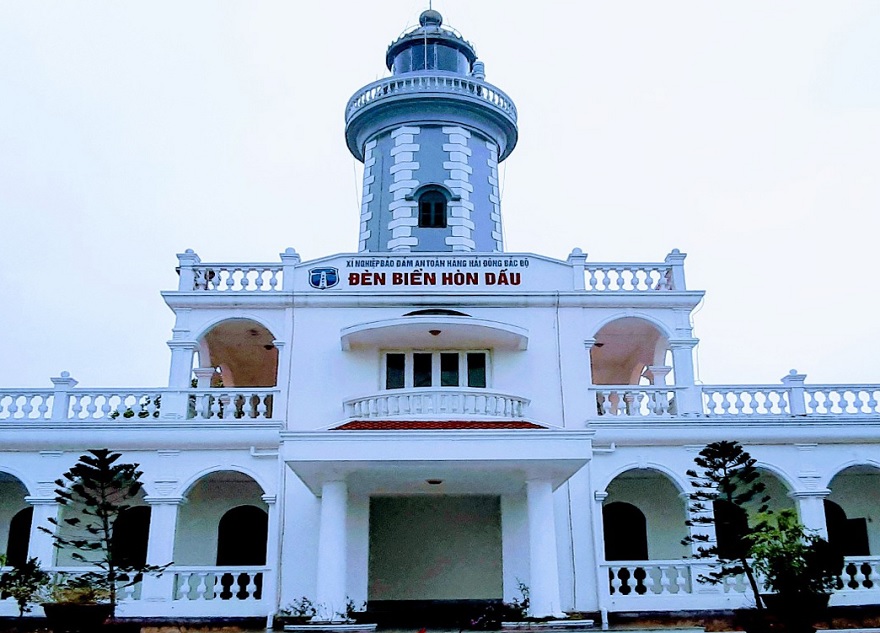
Hon Dau Lighthouse today
The two-story residence serves as living and working quarters for the lighthouse keepers. Encompassing an area of approximately 200 square meters, the structure is constructed from solid stone blocks featuring ornate detailing. It features two main entrances—one at the front and another at the rear. The rectangular front entrance is inscribed with the Vietnamese words “ĐÈN BIỂN HÒN DẤU” and framed by two stately Greek-style columns. The arched rear entrance bears the French inscription “Phare de l’île de Hon Dau” (Hon Dau Island Lighthouse) and is flanked by shorter Roman-style pillars. Crowning the roof is a square skylight fitted with transparent glass, ensuring natural light and fresh air permeate the interior.
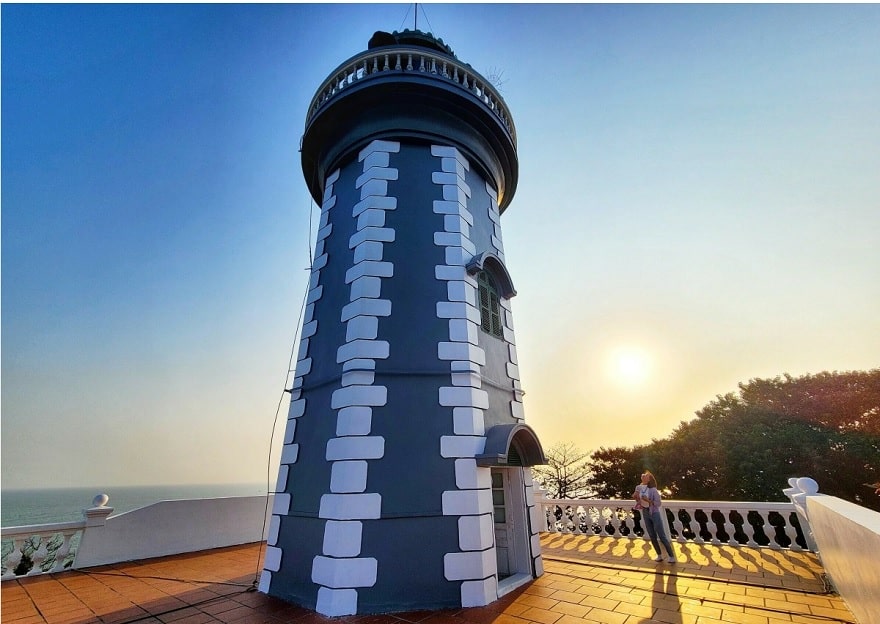
The lighthouse boasts a luminous range of 20.7 nautical miles (approximately 40 km) in favorable weather conditions. Visitors ascend 125 spiral steps to reach the summit of the tower.
Standing as the most prominent feature of the complex, the five-story beacon tower rises 23 meters above the ground and 63.5 meters above sea level. Crafted from stone and cement, the octagonal tower tapers gracefully toward the top. Painted in a soft pastel green, it creates a striking contrast against the azure sky and deep blue ocean. Each of the five tiers features a small rectangular iron-framed window for observation. At the apex sits a powerful lantern capable of projecting a beam up to 40 kilometers. Powered by oil or gas, the spherical lantern is encased in high-grade transparent glass and emits versatile light signals, including flashes, rotations, and steady illumination.
Hon Dau Lighthouse Through the Eras
- The French Colonial Period (1892–1945): Designed by French architect Henri Rivière, the lighthouse was built to guide vessels safely through the strategically vital Bach Dang Strait. Exhibiting a refined Neoclassical design complete with Greco-Roman columns and intricate motifs, it was managed by the French and regarded as one of Vietnam’s finest architectural marvels of the era.
- The French Resistance War (1945–1954): The lighthouse bore witness to fierce conflicts between Vietnamese troops and French colonial forces. Although partially damaged by artillery fire, the beacon never ceased shining, valiantly supporting the military operations of the resistance while local communities steadfastly protected and repaired it under grueling conditions.
- The American Resistance War (1955–1986): A profound symbol of Vietnamese resilience and heroism, the lighthouse endured over 100 aerial bombardments by the U.S. military. Miraculously, its light remained unyielding, guiding Vietnamese naval vessels safely through turbulent waters. Many devoted keepers made the ultimate sacrifice to defend this invaluable beacon, alongside local efforts to construct underground shelters, artillery stations, torpedo units, and legendary “unnumbered ships” to counter the enemy.
- The Post-War Era to Present (1986–Present): Restored faithfully upon its original foundations and architectural blueprint to preserve national heritage, the lighthouse is now equipped with modern amenities such as electric lighting, generators, and storage batteries. Jointly managed by the Border Guard Command and the Vietnam Maritime Safety Centre, it stands today as a premier destination, drawing domestic and international travelers eager to admire the splendor of this centennial landmark.
Nearby Attractions
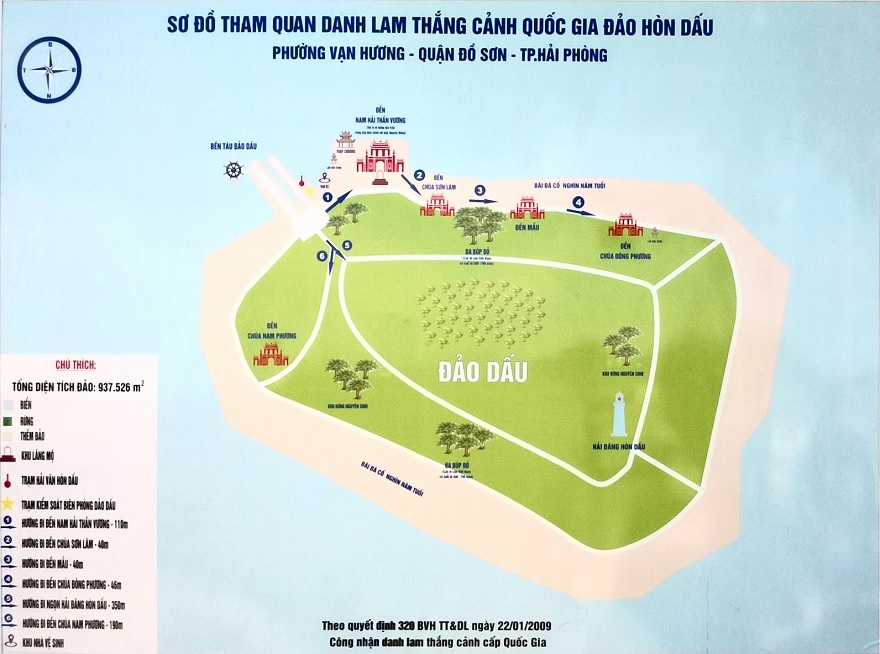
Map of tourist attractions on Hon Dau Island
- Exploring the Primeval Forest: One of Hon Dau’s most alluring features, the primeval forest invites visitors to marvel at ancient banyan trees with sprawling roots, rare flora and fauna, and fascinating rocky shores and caves. Ideal for light trekking, picnicking, or photography, this lush sanctuary offers an idyllic escape for nature lovers seeking absolute serenity and crisp, fresh air.
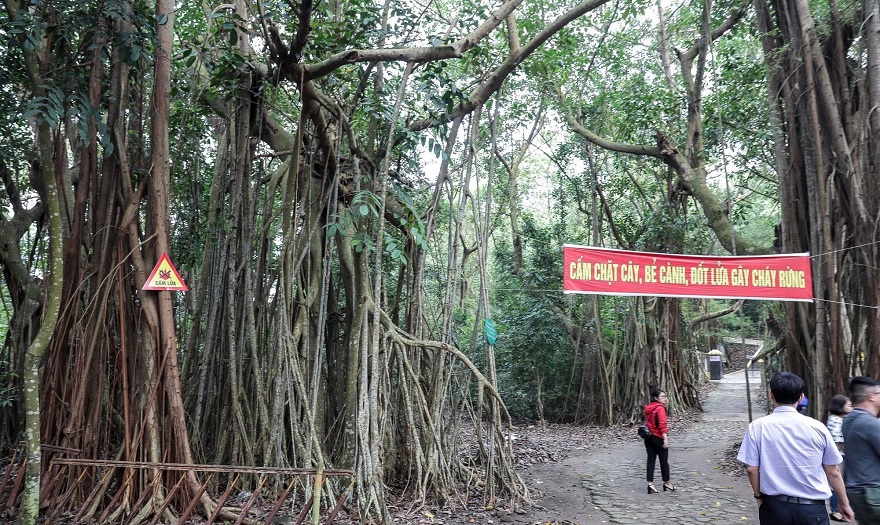
The primeval forest on Hon Dau Island
- Nam Hai Than Vuong Temple: A revered ancient sanctuary dedicated to Nam Hai Than Vuong (Grand King of the Southern Sea), a brilliant general of the Tran Dynasty who heroically perished during the 1288 naval battle against the Mongol invaders on the Bach Dang River. Constructed according to traditional Vietnamese architectural canons, the temple complex features stately halls, ceremonial gates, and pavilions adorned with exquisite carvings and artistic motifs.
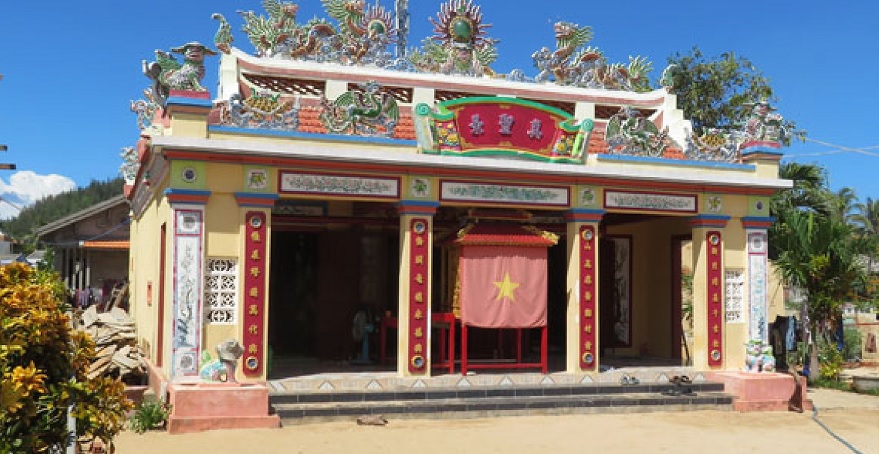
Nam Hai Than Vuong Temple
- Hon Dau Resort & Leisure Area: An exceptional destination for families visiting Hai Phong, this resort area offers pristine turquoise waters, powdery white sands, and golden sunshine across both natural and man-made beaches. Guests can explore Vong Canh Hill, recreational zones, and luxury accommodations. Additionally, children can delight in close encounters with friendly wildlife such as deer, rabbits, and stags. Hon Dau Resort promises a thoroughly engaging and memorable getaway.
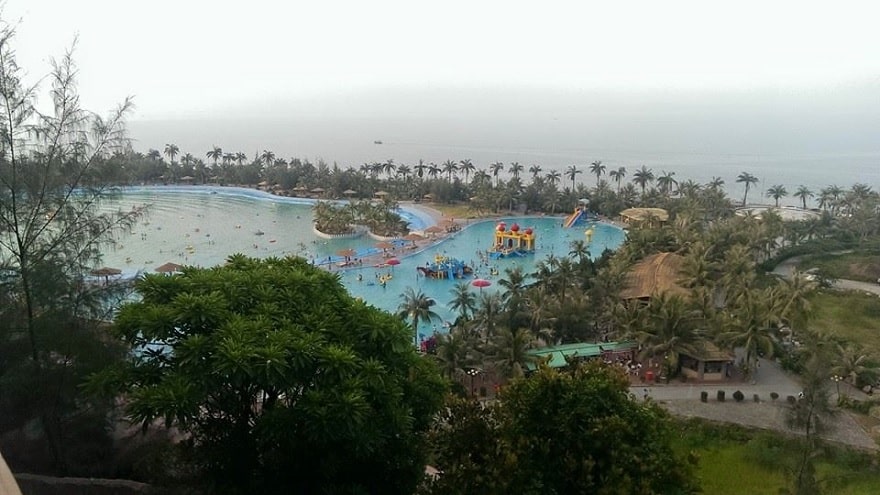
Hon Dau Resort