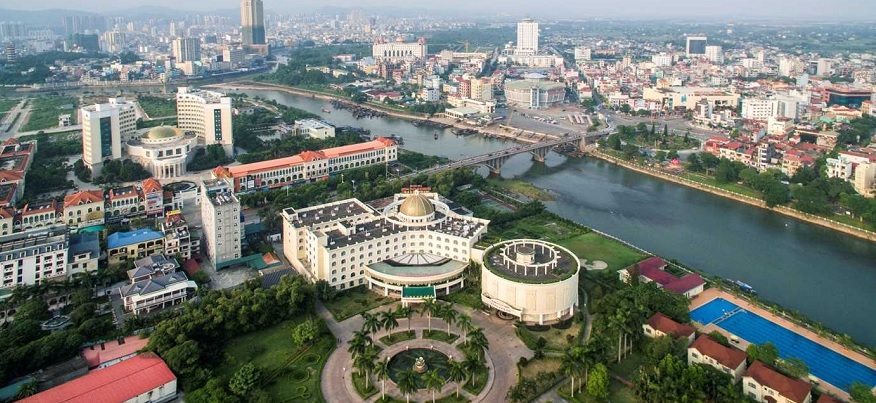
Mong Cai is a youthful city situated at the northeastern frontier of the nation, embodying a harmonious blend of majestic mountains, vast seas, and the distinctive culture of the border region. Beyond its significance as a vital gateway for commerce, Mong Cai harbors immense tourism potential, featuring renowned landmarks, charming pristine beaches, and enduring cultural heritage. Join us in exploring Mong Cai, a city that promises to deliver unique and unforgettable travel experiences.
See more: Mong Cai – Dong Hung Day Tour
General Introduction to Mong Cai
Located in the northeast of Quang Ninh province, Mong Cai is recognized as the frontier city at the nation’s threshold. The city shares a border spanning over 70km with Dong Hung city (Fangchenggang), Guangxi province, China. This proximity creates favorable conditions for trade, the exchange of goods, and cooperation in economic and tourism development between the two nations.
On October 30, 1963, President Ho Chi Minh issued a Resolution to merge Hai Ninh province and the Hong Quang zone into Quang Ninh province. Flowing with the development of the province, from a poor, purely agricultural border district heavily affected by the wars of border defense, Mong Cai has now transformed into a major economic hub—a border city with strategic importance for economic, national defense, and security affairs. It serves as a direct bridge in promoting cooperation between ASEAN and Northeast Asia, acting as a gateway to the wider world.
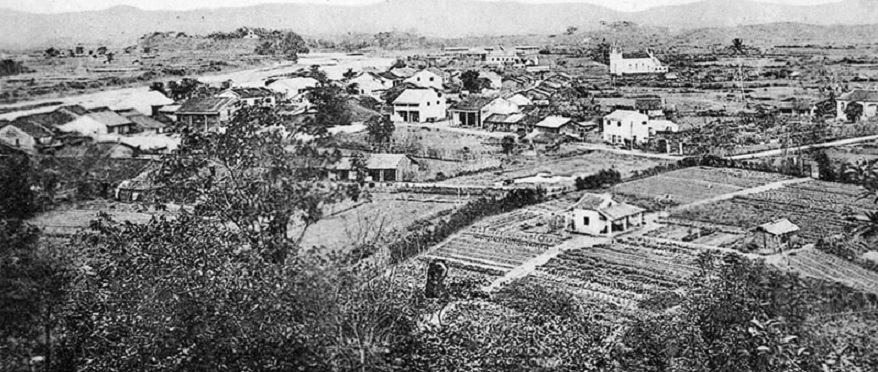
Mong Cai in the past
During the years of resistance against French and American aggression, thousands of Mong Cai’s children demonstrated an indomitable spirit, leaving a legacy of heroic feats in defense of the homeland. This area was also a gateway for the activities of many revolutionary soldiers, including Tran Phu, the first General Secretary of the Communist Party of Vietnam. It was here that 73 heroic individuals fell to protect the integrity of our national borders during the Po Hen battle on February 17, 1979, including 45 soldiers from Border Guard Station 209, now known as the Po Hen Border Guard Station. The indelible marks of our military and people’s fight to defend the Fatherland remain, and the names and sacrifices of these martyrs have become immortal.
In 2008, the Government issued Decree No. 03 on the establishment of Mong Cai city, Quang Ninh province. Mong Cai quickly became one of the two major economic and commercial centers of Quang Ninh, holding a pivotal position in the key economic corridor of Hanoi – Hai Phong – Quang Ninh. With its international border gate being the most important in Vietnam, Mong Cai serves as a gateway for Vietnam’s economic integration with the region. In 2018, Mong Cai was upgraded to a second-tier city, driven by the rapid development of its infrastructure. Notably, the completion of the Ha Long – Mong Cai expressway has shortened travel time from Ha Long to just 1 hour and 30 minutes, and from Hanoi to Mong Cai to 3 hours, significantly boosting tourism in this frontier region.
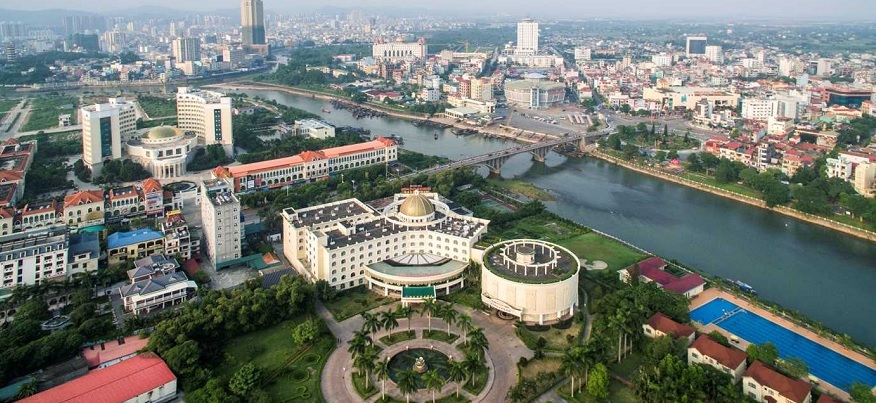
Mong Cai City today
Blessed by nature with diverse terrain, Mong Cai city boasts majestic mountains, vast seas, and gentle rivers, creating a picturesque landscape. Beyond being one of the most vibrant international border gates in the country, playing a crucial role in trade, economics, and tourism, Mong Cai is also a place of cultural intersection between Vietnam and China. This has fostered a unique cultural identity, characterized by traditional festivals, local customs, and distinct cuisine. With its advantages in geographical location, natural resources, and human capital, Mong Cai is increasingly developing, attracting both investment and tourists, and affirming its position as one of the key economic and tourism centers of Quang Ninh province.
Tourist attractions in Mong Cai
Mong Cai is not only a bustling border city but also an enticing destination for domestic and international tourists. The area possesses beautiful natural landscapes and numerous long-standing historical and cultural sites. Below are some must-visit destinations when coming to Mong Cai:
1. Sa Vi Cape
Sa Vi Cape, the sacred northeasternmost point of the nation, is an unmissable destination when visiting Mong Cai. Located in Tra Co Ward, Mong Cai City, Sa Vi Cape—also known as Got Cape—marks the very first stroke on Vietnam’s S-shaped map and serves as the starting point of the country’s 3,260km-long coastline. To the north of the cape lies the mouth of the Bac Luan River, where it flows into the sea, creating a charming, poetic riverine landscape.
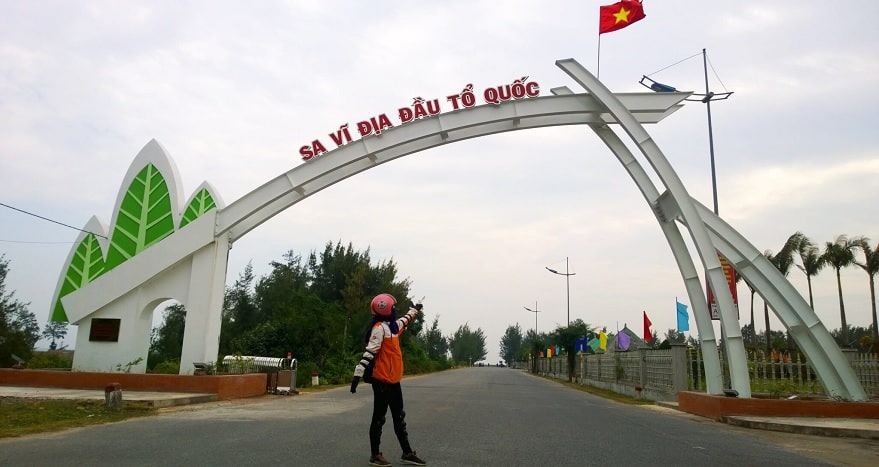
Sa Vi Cape
Upon arriving at Sa Vi, visitors can admire the national flag waving proudly against the deep blue sky, feeling a profound sense of national pride. Furthermore, the relief sculpture featuring three pine trees reaching toward the heavens, inscribed with lines from the poet To Huu: “From the casuarina forests of Tra Co / To the mangrove forests of Ca Mau…”, stands as a testament to the nation’s indomitable vitality and the unity of the North and South.
2. Tra Co Beach
Tra Co Beach, the “precious gem” of Mong Cai City, is one of the longest and most beautiful beaches in Vietnam. It captivates travelers with its pristine, poetic beauty and unique historical and cultural values. Situated approximately 8km southeast of the city center, the beach in Tra Co Ward stretches for 17km, resembling a soft silk ribbon embracing the smooth, white sands. The seawater here is crystal clear with gentle waves, creating a peaceful and relaxing atmosphere. The highlight of Tra Co is its signature fine, clean white sand, perfect for seaside strolls, sunbathing, and recreation. Additionally, rows of casuarina trees lining the shore provide natural shade, further enhancing the enchanting beauty of this destination.
See more: Tra Co Beach – An ideal destination for nature lovers
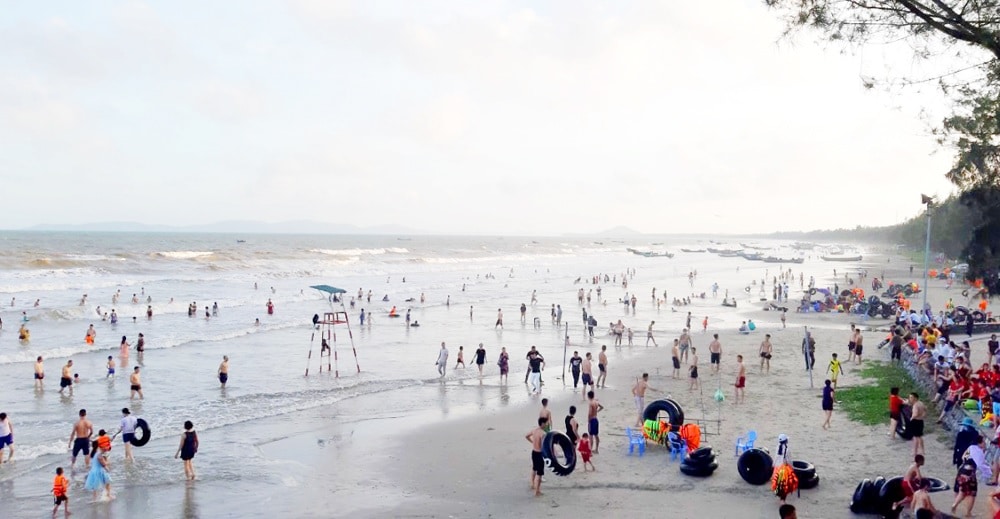
Tra Co Beach in summer
3. Vinh Thuc Island
Hidden amidst the open sea, approximately 20km south of Mong Cai city center, Vinh Thuc Island emerges as an untouched, alluring green gem. Spanning about 5,000 hectares and encompassing the communes of Vinh Thuc and Vinh Trung, the island possesses a raw, natural beauty characterized by smooth white sand beaches, jade-colored waters, and lush primary forests. Vinh Thuc Island offers numerous beautiful swimming spots with white sand and clear, calm waters, ideal for beach activities and relaxation. A major highlight is the historic lighthouse built in 1962, from which visitors can enjoy panoramic views of the island and the surrounding seascape. Vinh Thuc continues to preserve its primary forests, home to a rich variety of flora and fauna, offering a refreshing and verdant escape. Visitors can experience the simple life of local fishermen, participate in seafood harvesting, and explore the local culture.
4. Tra Co Church
Resting quietly within the ancient atmosphere of Tra Co Ward, Tra Co Church emerges with its unique architectural beauty, serving as a spiritual and cultural destination that attracts many visitors to Mong Cai. Also known as Trang Lo Church, it was built in 1880 and stands as one of the first Catholic churches in Quang Ninh. Over the course of more than a century, witnessing many historical events and undergoing numerous restorations, the church has retained its classic European Gothic architectural style, featuring pointed arches, stained-glass windows, and a soaring bell tower. Inside, the space is vast and airy, with sturdy ironwood columns and colorful religious murals. The harmonious blend of Western architecture and local materials gives the church its distinct character. Located in the heart of the ancient fishing village, the church provides a sense of serenity and peace. Tra Co Church is not only a vital spiritual landmark for the Catholic community in Tra Co but also a precious cultural heritage site, enriching the tourism landscape of Mong Cai.
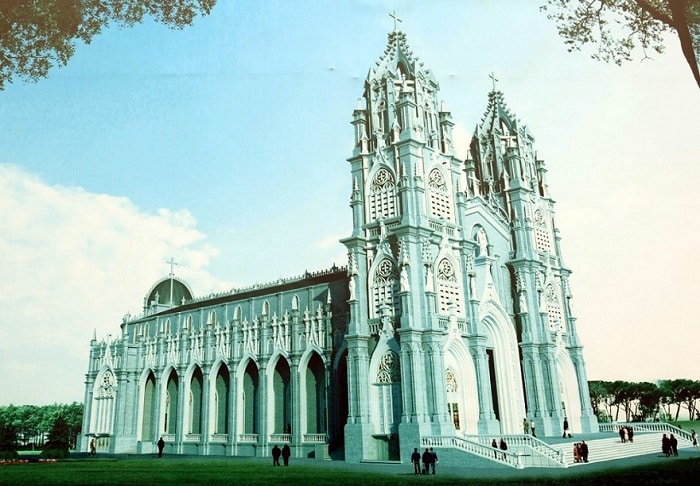
Tra Co Church
5. Mong Cai Market
Mong Cai Market, one of the most bustling commercial hubs in Quang Ninh, is far more than just a vibrant center of trade; it is a fascinating destination that offers travelers a uniquely immersive shopping experience. Located in Hoa Lac Ward, Mong Cai City, the market sits just steps from the Bac Luan Border Gate, barely a kilometer from the Chinese border. This prime location establishes it as a vital gateway for goods, attracting a steady stream of merchants and tourists alike. The market is divided into three primary zones: Mong Cai Market 1, near the Ka Long Bridge, specializes in fashion and accessories, while Mong Cai Markets 2 and 3 offer an array of clothing, textiles, and children’s toys at highly competitive prices. Renowned for its diverse inventory—ranging from local products to imported goods from China—visitors can find everything from apparel, footwear, handbags, and cosmetics to electronics, household appliances, and local delicacies. A visit to Mong Cai Market is an opportunity to enjoy affordable shopping, savor authentic local cuisine, and soak in the energetic atmosphere typical of a vibrant border marketplace.
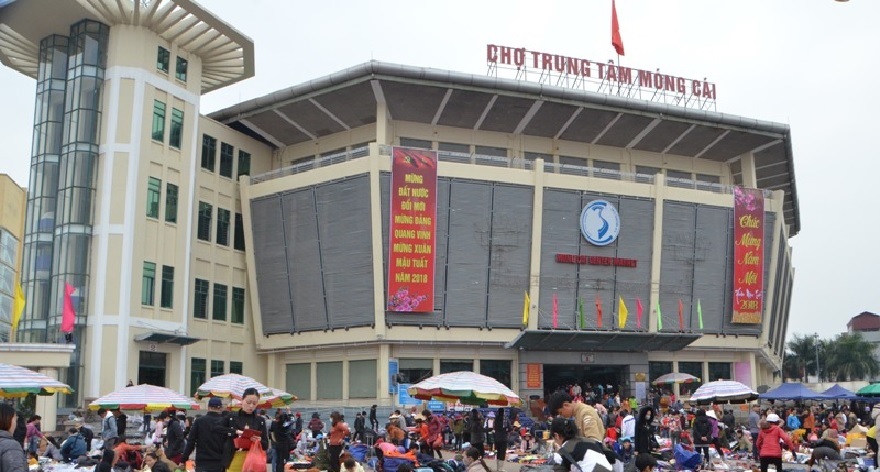
Mong Cai Market
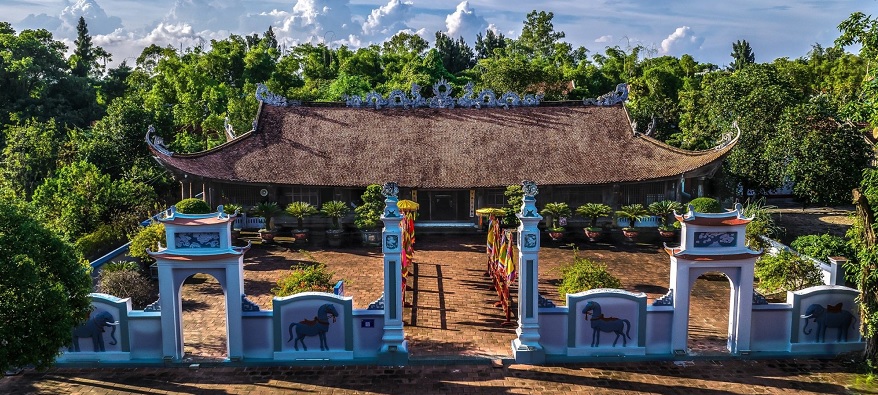
Tra Co Communal House
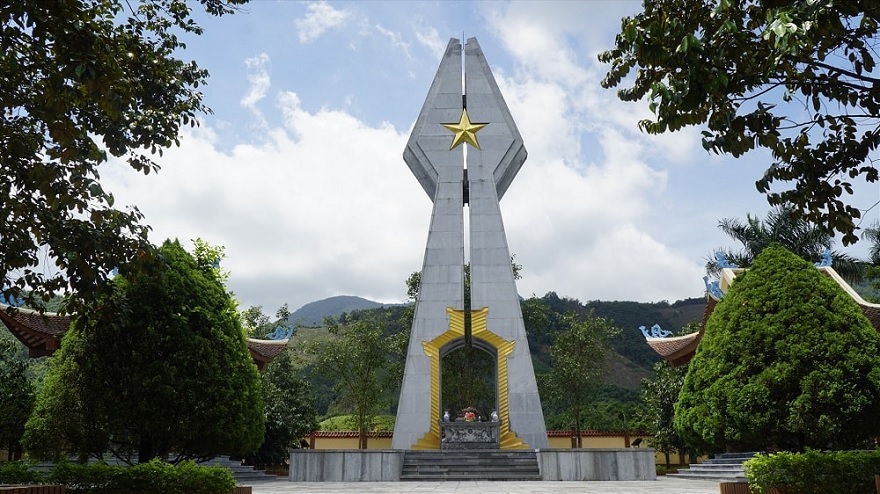
Po Hen Historical Relic Site
How to get to Mong Cai
By Road: Beyond the traditional Route 18, travelers can now reach Mong Cai via the expressway, which has significantly reduced travel time.
- From Hanoi: You can take a coach from My Dinh, Giap Bat, or Luong Yen bus stations. Sleeper bus tickets typically range from 250,000 to 350,000 VND per ticket, with a travel time of approximately 4–5 hours. If you opt for a VIP Cabin or Limousine service, prices will be higher—ranging from 400,000 to 500,000 VND—but you will enjoy enhanced amenities and a faster journey. Notably, with the newly opened Ha Long – Mong Cai expressway, you can reach your destination in just about 3 hours.
- From Ha Long: You can take a coach or local bus for approximately 50,000 – 80,000 VND per ticket, with a travel time of about 1.5 to 2 hours.
By Air: Van Don Airport is located approximately 60km from Mong Cai. From the airport, you can reach Mong Cai by taxi for about 500,000 – 700,000 VND, or by bus for approximately 50,000 VND.
We hope this information has ignited your passion for exploring Mong Cai. Start planning your journey today to experience the allure of this border city. Where the land, sky, and people converge, Mong Cai is certain to provide you with unforgettable memories.