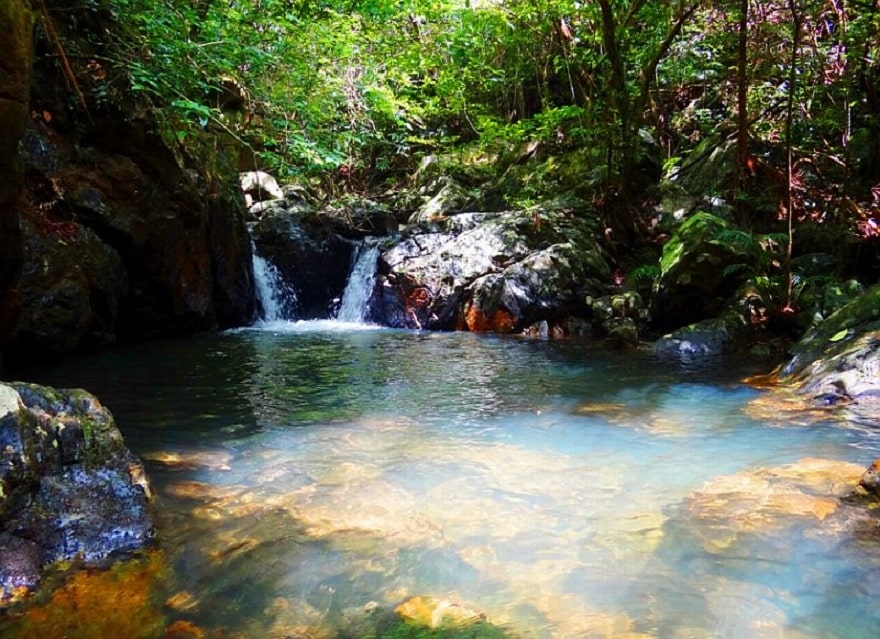
Adjacent to the world-renowned Ha Long Bay, Bai Tu Long National Park is often described as a biological treasure trove nestled within the vast waters of northeastern Vietnam. Spanning over 15,000 hectares—of which nearly 10,000 hectares are marine territory, with the remainder consisting of various islands—Bai Tu Long National Park boasts extraordinary biodiversity. It is home to nearly 2,000 species of flora and fauna, including 72 animal and 30 plant species currently listed in the Vietnam Red Data Book. Given its unique topography, with sea surrounding the islands, the landmasses within Bai Tu Long Bay serve as secluded, tranquil sanctuaries for wildlife. Ba Mun Island, located at the core of Bai Tu Long National Park, is rightfully regarded as a paradise for these diverse species.
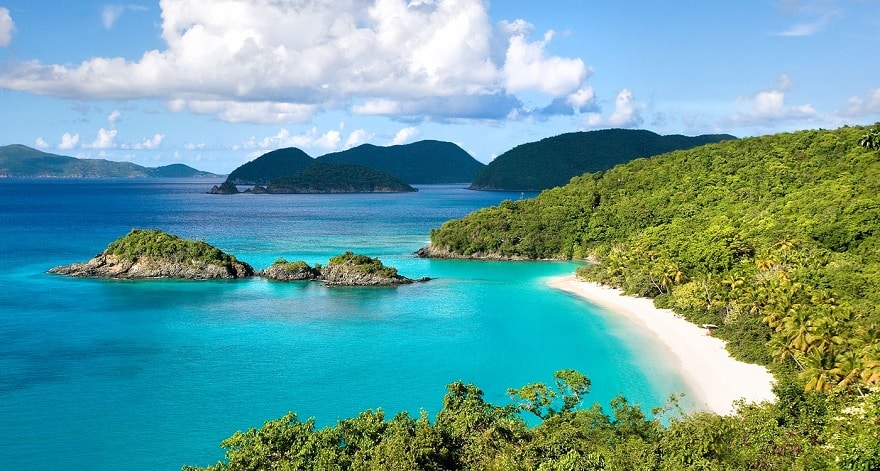
Ba Mun Island
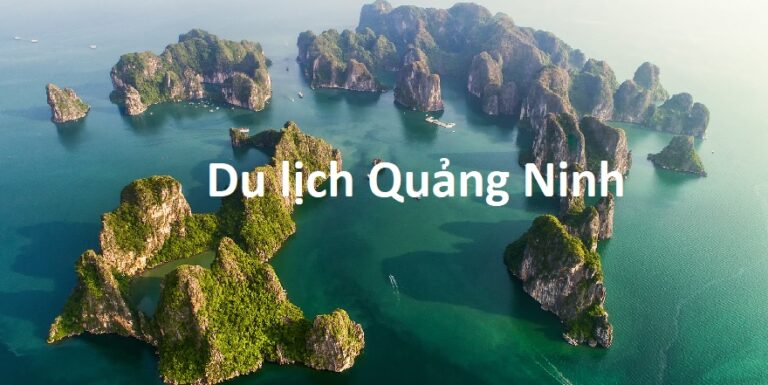
From Cai Rong Port in Van Don District, Quang Ninh Province, it takes less than an hour by motorboat to reach Ba Mun Island. Along the way, the breathtaking scenery of Bai Tu Long Bay unfolds, showcasing the grandeur of this island region. Limestone mountains, weathered by wind, rain, and sea spray, stand tall above the clear, calm waters, while lush vegetation clings to sheer cliffs—a haven for small creatures and a nesting ground for eagles and hawks constantly circling above.
From a distance, Ba Mun Island emerges with an unexpected, pristine beauty. The first impression upon arrival is the striking contrast between its eastern and western shores. The east side of the island is met by crashing waves against the cliffs, while the west remains serene and peaceful. Consequently, the island is often compared to a fortress, shielding the residents of Van Don District from the fiercest maritime storms. Ba Mun is blanketed in a vibrant green, a seamless blend of island forest and deep ocean hues. Further out, beyond the sandy stretches, lies a rich and relatively untouched mangrove ecosystem. Stepping foot here feels like wandering into a world of rare birds, sea storks, and pristine mangrove forests. Amidst the sandbanks and mudflats, the mangroves are submerged at high tide and exposed at dawn, with their roots anchored deep into the sediment to withstand the rhythmic pull of the tides.
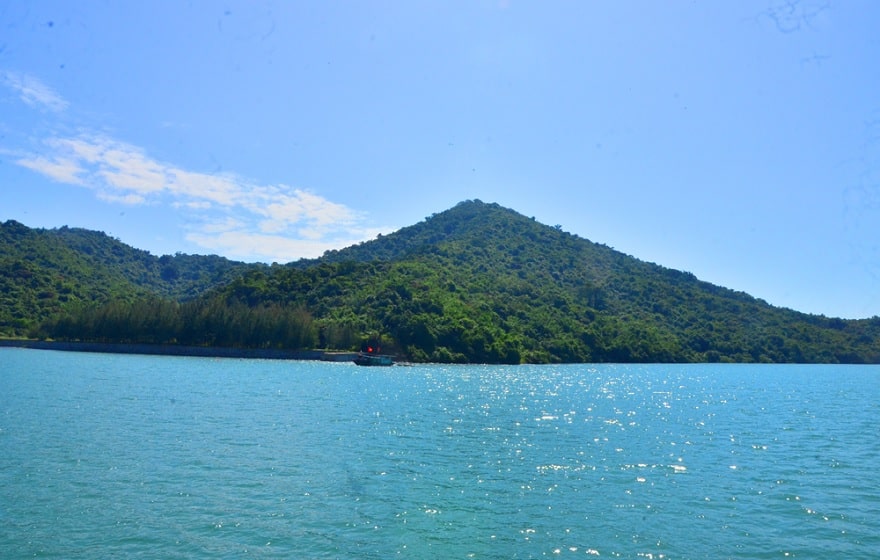
Ba Mun Island as seen from the open sea
Ba Mun Island is also known as Cao Lo Island, named after its highest peak. Covering approximately 1,800 hectares, the island is narrow and stretches for nearly 20km from northeast to southwest. At its widest point, it measures about 2km, featuring a mountain with an elevation of 307m, while the narrowest part is only 0.4km wide. To the north lies the Vanh entrance leading to Sau Nam Island, and to the south lies the Doi entrance, adjacent to Minh Chau Island.
Ba Mun Island is formed upon a geological foundation of the oldest rock types found within Bai Tu Long National Park, such as conglomerate, sandstone, and shale. Its complex underwater topography, shaped by erosion, abrasion, and subterranean accumulation, has been inherited from ancient coastal terrain. This topography, combined with coastal humidity and underground freshwater springs, creates ideal conditions for the island’s lush biodiversity.
The island features seven major perennial streams with unique names such as O Lon To, O Lon Con, Mieu Danh, Van Lau, Cao Lo, and Che Stream. These streams flow year-round, carrying crystal-clear water thanks to the dense canopy of the forest, providing a precious source of fresh water in the middle of the sea.
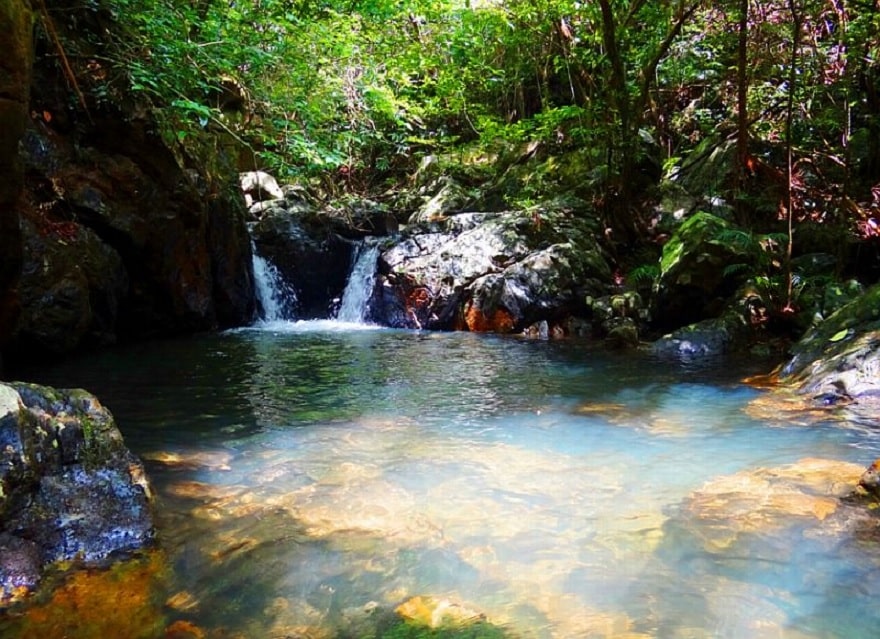
Crystal-clear streams are a highlight of the island
The island is cloaked in a tropical evergreen broadleaf forest with a multi-layered structure. The rapid and intense exchange of nutrients between the tropical forest and the soil creates a closed-loop cycle. Within the forest, the high temperature and humidity promote rapid decomposition, enriching the soil with humus and nutrients. This environment is an ideal habitat for many wild animals and a treasure trove of biological resources. Being an earth-mountain island, it differs significantly from the limestone islands of Ha Long Bay, leading to a much richer and more diverse ecosystem. Species such as Stephania glabra, Ardisia sylvestris, and native ginseng thrive here. The natural forest maintains a high density of regeneration, with 2,400 – 2,600 trees per hectare, where 60-70% of saplings stand over 1.5m tall and show vigorous, disease-free growth.
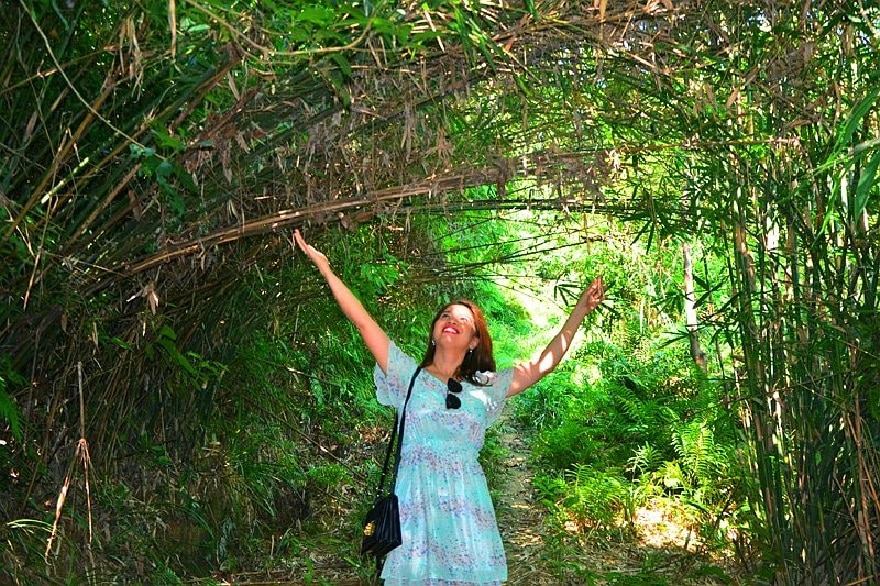
Primeval forest on Ba Mun Island
Deep within the forests of Ba Mun, one encounters various medicinal herbs, waist-high shrubs, and fallen, decaying logs that serve as a paradise for wood ear mushrooms on the moist forest floor. While the challenging terrain may be difficult for hikers, it contributes to the unique, wild beauty of this primeval forest. It is easy to find ancient banyan trees or towering green ironwood trees, entwined with dense layers of vines. Mistletoe and wild orchids grow in clusters on the branches, spreading their lush green leaves in the humid atmosphere of the tropical evergreen forest.
The flora on the island is incredibly rich and diverse, with 780 species of higher plants, including precious timber varieties like green ironwood, Cratoxylum maingayi, and mountain-grown golden camphor. Particularly important are the Syzygium species, Erythrophleum fordii, Vatica mangachapoi, and exceptionally rare wild orchids. The protection of these ancient timber trees is a top priority. Protected by the surrounding sea and the vigilant oversight of forest rangers, these species continue to thrive today.
Beyond its diverse vegetation, Ba Mun is home to many rare and precious animals such as the reticulated python, golden cat, macaques, pangolins, geckos, and ungulates like deer and wild boar. Notably, the golden deer population remains significant and is the only one of its kind in Northeast Vietnam. Other species, including serows, monkeys, and langurs, along with various migratory sea birds, complete the vibrant picture of this wild animal kingdom.
After a long period of illegal hunting, the populations of large animals declined sharply. However, Ba Mun is the only island in the Northeast region that still maintains a robust population of golden deer and wild boar, evenly distributed across the island. Currently, the monitoring and conservation of these ungulates are of primary focus. Staff at Bai Tu Long National Park actively track them by observing migration and feeding habits, as well as signs like bark markings on trees, fur, and footprints. Furthermore, a wildlife rescue center was established to enhance the survival rate and population numbers of animals previously threatened by human encroachment, helping to restore the natural landscape of this renowned island.
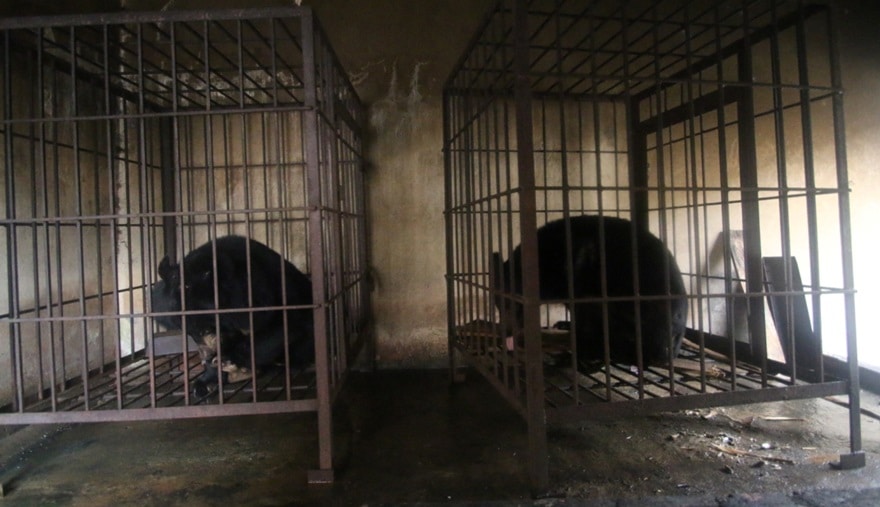
Two moon bears rescued on Ba Mun Island
Various rare animals, including golden deer, long-tailed macaques, and bears, are currently being cared for and conserved at the center, ensuring they regain their health before being released back into the wild. The critical state of these rare species makes conservation efforts by Bai Tu Long National Park both challenging and complex. While it is understood that wildlife belongs in nature, protection and rehabilitation in captivity are necessary at this time, as there are far too many threats looming outside. In recent years, the Ba Mun Rescue Center and Bai Tu Long National Park have strengthened international cooperation to learn best practices for rescuing and rehabilitating wildlife to ensure their successful reintegration into the wild.
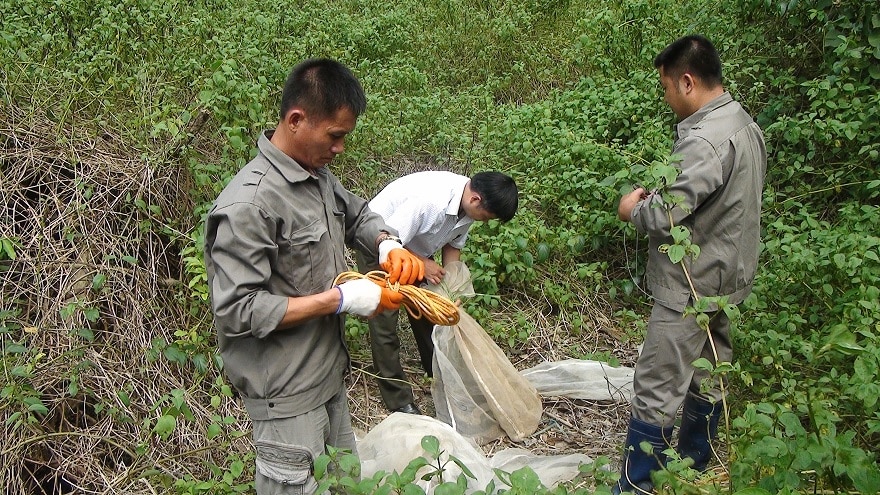
The Ba Mun Wildlife Rescue Center releases dozens of monkeys and snakes back into their natural environment
These islands, great and small, embraced by sea and sky, serve as a sanctuary for rare flora and fauna. The dedicated staff of Bai Tu Long National Park, many of whom are locals with a deep understanding of the region’s biodiversity, are vital to this mission. Their tireless efforts in wildlife rescue and care contribute immensely to the restoration of the primeval forest. Protecting these rare creatures on Ba Mun Island is not only of great significance to Bai Tu Long National Park but also makes a critical contribution to the recovery and health of the wider Bai Tu Long Marine Conservation Zone.