
Have you ever heard of the rare “earth ginseng” of the sea? Known as the “soft gold” of this beautiful coastal region, Quang Ninh Sipunculus nudus (Sá Sùng) is a truly unique delicacy. More than just a nutritious, flavorful dish, this specialty carries fascinating stories about the culture and people of Quang Ninh. So, what exactly is Sipunculus nudus? What makes this seafood so special that it captivates so many? And how should one prepare it to unlock its full potential? Let’s dive into everything you need to know about Quang Ninh’s prized Sipunculus nudus in the article below.
Read more: Ha Long Specialties: What to Eat? What to Buy?
What is Sipunculus nudus?
Sipunculus nudus, known locally as “Sá Sùng” and referred to by various names such as sea worms, earth ginseng, or peanut worms, bears the scientific name Sipunculus nudus. It is an invertebrate belonging to the phylum Sipuncula. Resembling a large worm with a soft body, these creatures dwell deep within the coastal sand of tidal zones. While their appearance might not be immediately appealing, Sipunculus nudus is a rare, high-end seafood prized for its exceptional nutritional value and distinct, umami-rich flavor.
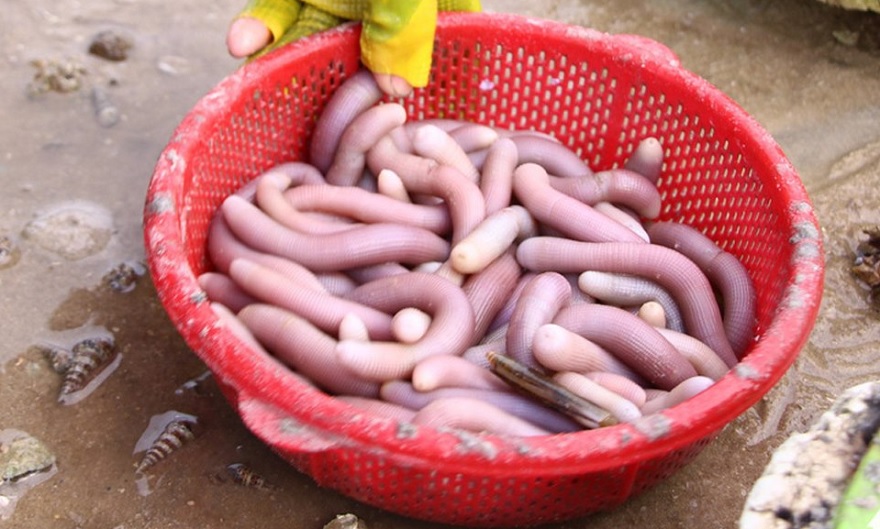
Fresh Van Don (Quang Ninh) Sipunculus nudus
Sipunculus nudus is found in many coastal regions worldwide; however, the variety from Quang Ninh—particularly from Van Don and Quan Lan Island—is widely considered the finest. This superiority is due to the unique soil and environmental conditions of these waters. The sand here is clean, nutrient-rich, and remarkably free of silt, providing an optimal habitat that results in firmer, more fragrant, and more flavorful meat compared to those found elsewhere. The Quang Ninh coast features stable salinity levels and regular tidal cycles, creating an ideal ecosystem. Notably, the Van Don and Quan Lan areas offer sandy beds mixed with crushed seashells, providing an abundant natural food source. These factors have cemented the “Quang Ninh Sipunculus nudus” brand, which was formally recognized by the Intellectual Property Office of Vietnam (IP VIETNAM) with a geographical indication certificate (Decision No. 2929/QD-SHTT, dated November 12, 2015). This official recognition confirms that the unique taste profile of the local specialty is intrinsically linked to the region’s natural conditions and traditional harvesting techniques.
Quang Ninh Sipunculus nudus has a long, cylindrical body that tapers toward the tail. They typically measure 10–15 cm in length, though some larger specimens can reach up to 30 cm. Their outer skin is a brownish-yellow or pale gray color, smooth to the touch, and marked with tiny transverse lines. When fresh, the meat is elastic and cool to the touch. Dried Sipunculus nudus takes on a deeper golden hue and becomes firm and brittle.
Beyond their physical traits, these creatures possess fascinating biological characteristics. They are a sexually reproducing species with distinct males and females, which fertilize by releasing sperm and eggs into the seawater. Their peak breeding season typically falls during the summer months, from May to September. Once fertilized, the eggs develop into larvae that drift in the ocean before attaching themselves to the sandy bottom to mature. Sipunculus nudus lives in U-shaped burrows in the mid-tidal zone, where salinity and food sources are consistent. They feed by filtering plankton and organic detritus from the water, moving by contracting and extending their bodies while using tentacles around their mouths to displace sand.
Distinguishing between male and female is quite difficult to the naked eye. Only during the breeding season can one observe subtle differences: males are generally smaller, sleeker, and their coelomic fluid appears milky white; females are larger, more rounded, and their fluid is either transparent or tinted a pale yellow when carrying eggs.
The harvesting season for Quang Ninh Sipunculus nudus typically runs from October to the following April, coinciding with their most robust growth phase. During this time, the meat is firm, delicious, and highly nutritious. The months of November, December, and January are considered the peak period for premium quality.
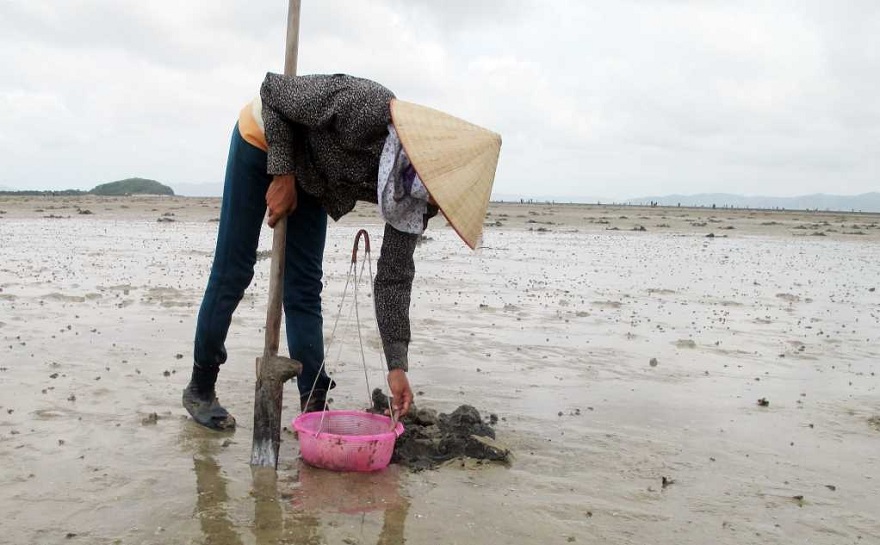
Women in Van Don often use a specialized tool called a “xeng mai” to dig for Sipunculus nudus.
The profession of harvesting Sa Sung (Sipunculus nudus, or sea worms) is primarily carried out by women. It is a physically demanding job, but more importantly, one that requires exceptional patience and meticulousness. Since men are often less inclined toward such repetitive, delicate labor, the trade is almost exclusively dominated by women. Typically, these harvesters in Quan Lan begin their day at 4:00 AM, just as the tide recedes, leaving behind the distinct traces of sea worms that have surfaced to feed overnight. The cleaner the sand, the brighter and higher quality the worms. These creatures thrive in the intertidal zones, making their availability highly dependent on the tides and weather; the higher the tide and the colder the weather, the deeper the worms bury themselves. Consequently, successful harvesting requires calm, rain-free conditions.
Expert harvesters scan the sand for “worm flowers”—intricate patterns created by the creatures as they burrow. Once a location is identified, the harvester swiftly places a hand to block the escape route and digs quickly to secure the catch. Harvesting this “ocean gold” demands lightning-fast reflexes, sharp eyes, and years of experience. On a productive day, if the tide stays low for 3 to 5 hours, an individual can typically harvest around 2 kilograms.
With their increasing value, ranging from 260,000 to 300,000 VND/kg depending on size, harvesting Sa Sung has become the primary source of income for many local fishing families. On average, a harvester can earn between 200,000 and 400,000 VND per day. Because dried sea worms command a higher price, families in Quan Lan often process their catch by sun-drying or roasting them. After cleaning the sand and blanching them in boiling water, the worms are dried over charcoal for about two hours. Once processed, the value of the final product can reach between 1,200,000 and 1,400,000 VND/kg.
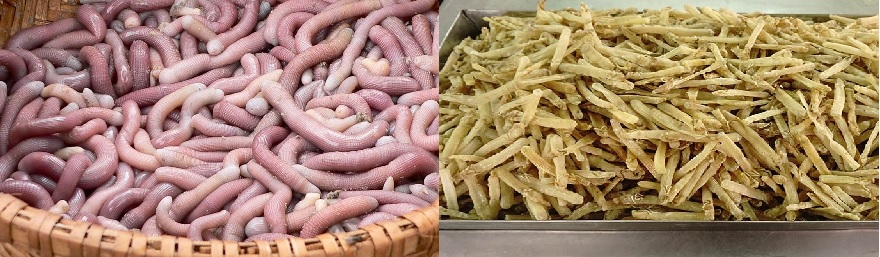
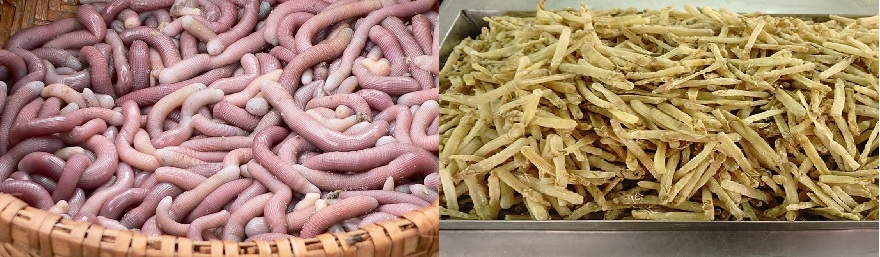
Fresh Sa Sung (left) and Dried Sa Sung (right)
However, current harvesting practices have reached an alarming state. The surging market demand has led to over-exploitation, causing a severe decline in sea worm populations, ocean pollution, and ecological imbalance. To protect this valuable resource, the Quang Ninh provincial government has implemented a ban on harvesting from June 1st to July 31st each year, providing the necessary window for the Sa Sung to reproduce and thrive.
Where to buy Quang Ninh Sa Sung?
Now that you know more about Quang Ninh’s famous Sa Sung, you are likely eager to purchase this delicacy. Where can you find high-quality, reputable sources? Here are a few recommendations:
1. Seafood Markets:
Quang Ninh is renowned for its vibrant seafood markets, where you can find fresh Sa Sung at reasonable prices. Notable markets include:
- Ha Long Market 1: Located in the heart of Ha Long city, this is one of the largest seafood markets in the province, offering a wide array of fresh local seafood, including Sa Sung.
- Cai Rong Market (Van Don): Serving as a hub for local fishing boats, this market offers exceptionally fresh Sa Sung at competitive prices.
- Quan Lan Market: If you visit the island of Quan Lan, be sure to stop by the local market to purchase fresh Sa Sung caught directly by the islanders.
2. Pricing: The price of Quang Ninh Sa Sung fluctuates based on the season, size, and quality.
- Fresh Sa Sung: Prices typically range from 500,000 to 1,000,000 VND/kg.
- Dried Sa Sung: Prices range from 2,000,000 to 4,000,000 VND/kg.
3. Tips for Purchasing:
- Distinguishing Quang Ninh Sipunculid Worms: Authentic Quang Ninh Sipunculid worms (Sá Sùng) typically feature a long body, a golden-brown hue, firm flesh, and a distinct, savory aroma.
- Selecting Quality Sipunculid: Opt for fresh specimens that are firm and elastic to the touch, with no unpleasant odors. For dried versions, look for large, uniformly colored pieces that are free of any moisture or mold.
- Avoiding Counterfeits: The market is currently saturated with low-quality or fake Sipunculid products. We strongly advise purchasing only from reputable, well-established brands.
Exquisite Delicacies Featuring Sipunculid Worms
Quang Ninh Sipunculid worms, prized for their rich oceanic essence and high nutritional value, have long been an endless source of inspiration for culinary masters. This exquisite seafood is highly coveted for its unique flavor profile—a natural, profound sweetness harmonizing with the bracing saltiness of the sea, complemented by a signature crisp and chewy texture. Many connoisseurs agree that the Quang Ninh variety is exceptionally refined and sweeter than those sourced from other regions.
Beyond their remarkable taste, these worms are a powerhouse of nutrition. They are packed with protein to support muscle recovery and vitality, contain 18 essential amino acids, vitamin B12 for neurological and hematological health, and vital minerals such as iron, calcium, and zinc. Consequently, they offer myriad health benefits, including boosting overall energy, improving physiological function, aiding digestion, and supporting recovery from anemia and physical exhaustion. Let us explore the three most popular ways to prepare this delicacy, each offering a distinct profile sure to enchant your palate.
1. Stir-fried Sipunculid: Crispy, Sweet, and Savory
Imagine fresh Sipunculid, harvested directly from the pristine waters of Quang Ninh, stir-fried with crisp celery, fragrant leeks, and earthy shiitake mushrooms. This dish is not only visually stunning but also a triumph of flavor, balancing the worm’s natural sweetness with the freshness of vegetables and a subtle hint of piquant spice. Each crispy, succulent bite absorbs the seasonings, creating a harmonious culinary symphony. Stir-fried Sipunculid is a delightful addition to any meal, perfect for the whole family to enjoy.
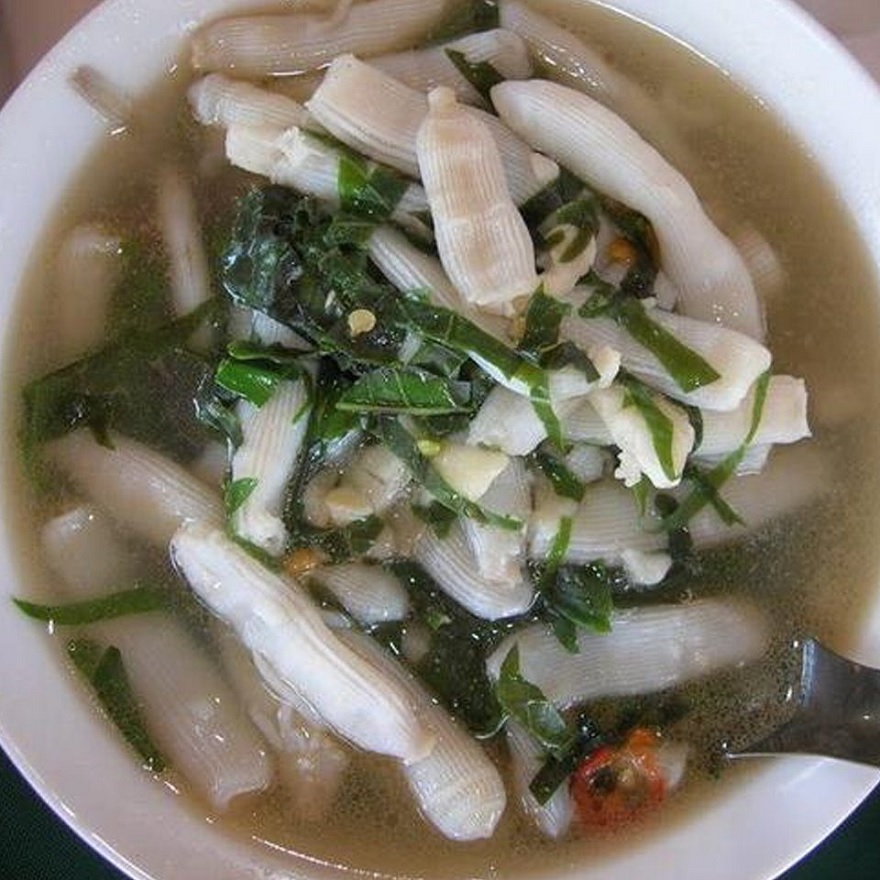
Stir-fried Sipunculid
2. Roasted Sipunculid: The “Golden” Appetizer
Dried Sipunculid, when roasted to a perfect golden crisp, releases an intoxicating aroma that instantly awakens the appetite. The sea’s inherent saltiness, paired with a touch of chili heat and the pungent warmth of peppercorns, creates a bold, irresistible flavor. These crispy, savory bites are the perfect accompaniment to a chilled beer. It is a quintessential favorite among social diners, ideal for weekend gatherings with friends.
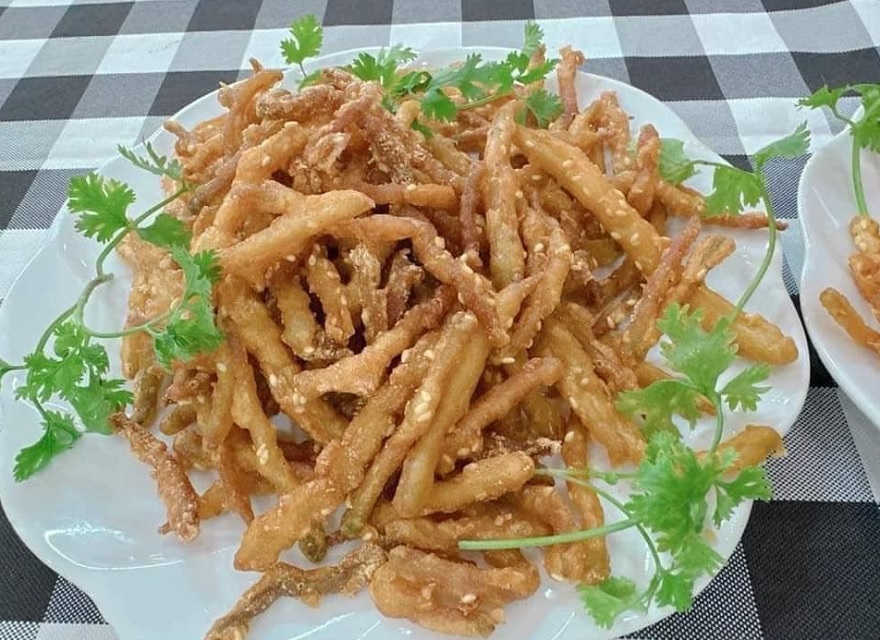
Roasted Sipunculid
3. Grilled Sipunculid
Fresh Sipunculid, skewered on bamboo sticks and kissed by glowing charcoal, exudes an alluring smokiness that stimulates all the senses. As they grill, the flesh firms up, concentrating the deep sweetness and briny sea flavors. Enhanced with a hint of green chili salt, the taste is raw, intense, and deeply satisfying. Each bite offers a chewy, nutty sweetness beautifully balanced by the aroma of charcoal smoke. Best enjoyed piping hot, this dish is the ultimate treat for seaside picnics and beachside camping.
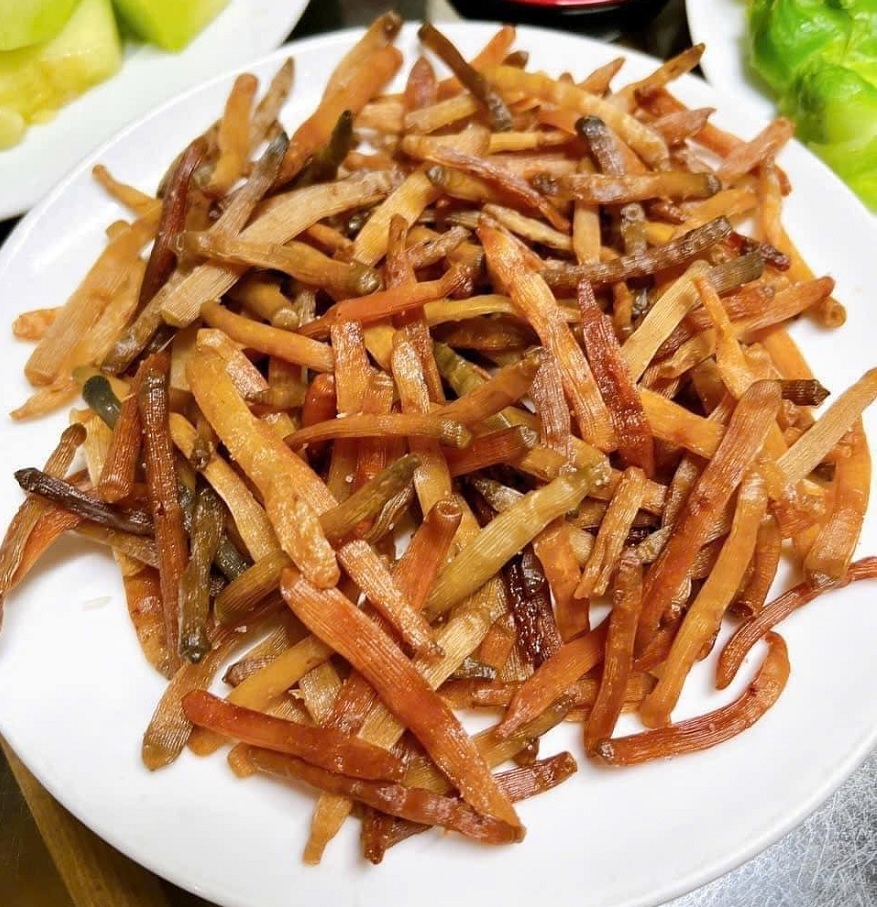
Grilled Sipunculid
Through these three distinct preparation methods, Quang Ninh Sipunculid has firmly established its status as “soft gold” among discerning food lovers. Each dish promises a memorable sensory experience, further enriching the diverse tapestry of Vietnamese gastronomy.