Vung Duc is an alluring destination in the coastal city of Cam Pha, Quang Ninh. Beyond its captivating natural landscapes, this location is deeply intertwined with the historic milestones of Quang Ninh’s coal-mining region. The following article invites you to explore the fascinating depths of Vung Duc.
An Introduction to Vung Duc
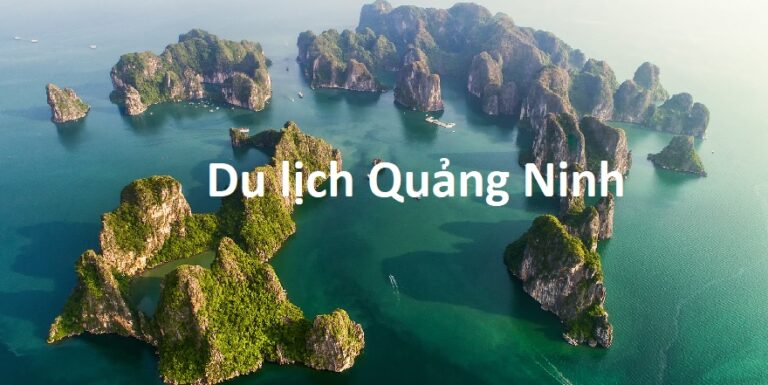
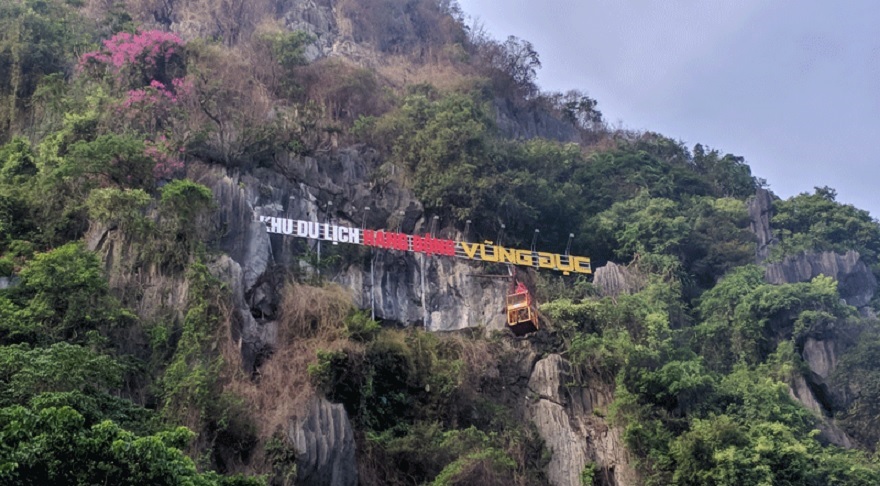
Nestled at the foothills of Ban Co Mountain along the pristine shores of Bai Tu Long Bay, within the Diem Thuy area of Cam Dong Ward, Cam Pha City, Vung Duc spans an expansive 10,000 square meters. This remarkable tourism complex harmoniously integrates sacred temples, monuments, magnificent caves, and the open sea. Managed by the Vung Duc Joint Stock Company, the site has been meticulously restored with an investment of approximately 15 billion VND, featuring modern elevators, sophisticated lighting systems, and well-paved cavern pathways. For over two decades since its inception in 1999, Vung Duc has remained one of Cam Pha’s most celebrated and picturesque attractions, continually enchanting discerning travelers.
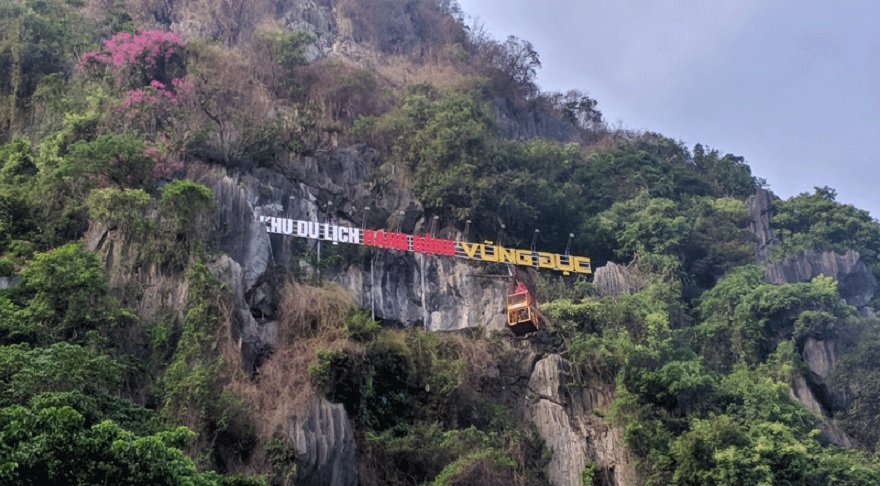
Vung Duc Tourism Area
In recent years, Quang Ninh has heavily invested in developing and upgrading its infrastructure to elevate the tourism experience. Most notably, the 18.7-kilometer, six-lane Ha Long – Cam Pha coastal highway, inaugurated in January 2022, stands as one of Vietnam’s most modern and scenic coastal drives, treating travelers to magnificent vistas of verdant mountains and azure seas. By simply turning right at the intersection leading to Cam Pha City’s Ferry Terminal, visitors arrive at the Vung Duc resort area. Here, guests have the exclusive opportunity to delve into rich historical and religious heritage while exploring five majestic and awe-inspiring limestone caves: Thien Dang, Long Van, Ngo Ngang, Kim Quy (Golden Tortoise), and Bat Cave.
Unveiling the History of Vung Duc
Between 1946 and 1949, when French colonial forces occupied the Quang Ninh mining region, they brutally suppressed patriotic citizens, miners, and national salvation youth. According to Volume II of the History of the Quang Ninh Provincial Party Committee (1945 – 1955), page 77, published in May 1993: “From October 18, 1948, to January 1949 (representing the largest underground network breach among five such incidents), 61 of our personnel were arrested, including 9 cadres and party members, 1 Chairman of the Administrative Resistance Committee, 4 members of the Administrative Resistance Committee, 3 liaison officers, 1 police officer, 2 honorary squad members, 2 branch executive committee members, 7 national salvation squad members, and 21 civilians. Of these, 52 were murdered by the enemy, with 30 individuals—including 8 women—drowned by French troops at Vung Duc, Cam Pha. This tragedy stemmed from overt activities, a lack of vigilance, loose and careless organization, and the infiltration of a rogue element (Thao) who consorted with secret agents into the labor union, subsequently exposing our underground network to the enemy…”
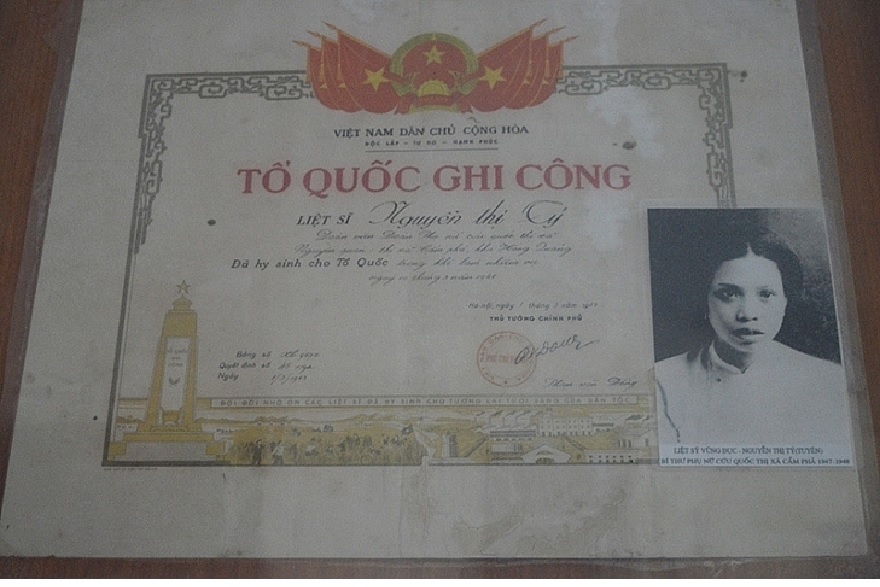
Certificate of Gratitude awarded to martyr Nguyen Thi Ty, one of eight female communist soldiers whom the French colonialists stuffed into sacks, bound with stones, and drowned at Vung Duc.
Despite enduring brutal torture and persecution by the French colonialists and their henchmen, the revolutionary spirit of the mining region’s people remained unbroken, flourishing extensively from Cua Ong to Vang Danh and Mao Khe.
In the early 1990s, to commemorate these tragic events and honor the profound gratitude of the mining region’s people toward the martyrs who sacrificed their lives for national freedom, the town of Cam Pha (now Cam Pha City) erected a monument atop a rocky outcrop facing Vung Duc—the very site where the martyrs were drowned. The Vung Duc Monument was inaugurated on February 3, 1993. According to Mr. Kieu Si Khue, the monument’s designer: “The monument embodies the concept of a soaring seagull searching for a free sky. The sea bird’s yearning for freedom mirrors the aspirations of the communists. The two grand reliefs affixed to the central pillar symbolize the seagull’s wings, capturing the core themes of the Cam Pha working class’s struggle and the unwavering integrity of the communists.”
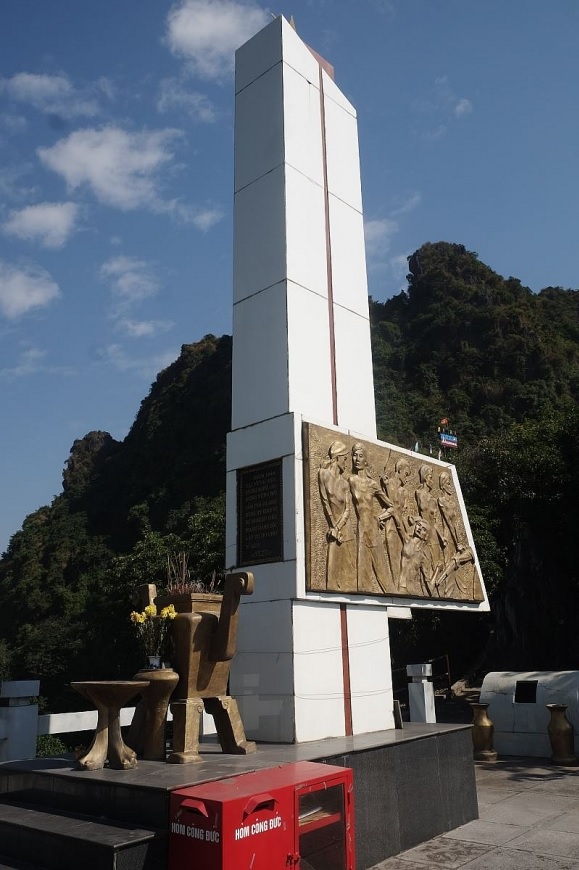
The Vung Duc Martyrs Memorial.
The Cave System at Vung Duc
The cave system at Vung Duc represents one of the most distinctive and captivating attractions in Quang Ninh, comprising five magnificent caverns: Thien Dang, Long Van, Ngo Ngang, Kim Quy, and Bat Cave. Each cave boasts unique characteristics in structure, scale, and the intricate formations of its stalactites. Distributed progressively from lower to higher elevations, certain caves require visitors to ascend hundreds of stone steps. These geological wonders formed concurrently with Ha Long Bay and Bai Tu Long Bay approximately 150 million years ago. Notably, two of these caves form an integral part of the Vung Duc Heritage Site, officially recognized by the Provincial People’s Committee in 1999:
1. Thien Dang Cave
Thien Dang Cave is the initial highlight upon arriving at Vung Duc, situated at an altitude of 46 meters above sea level with an area of approximately 300 square meters and a length of 24 meters. The cave features five interconnecting chambers, including two designated entrances. Inside, delicate, gracefully curving stone curtains cascade down like an exquisitely crafted grand stage. The ceiling is adorned with cascading stalactites resembling meticulously sculpted chandeliers. Periodic shafts of natural light filter in from the outside, bathing the cavern interior in a shimmering, ethereal glow—inspiring its poetic name, Thien Dang (Heavenly Lantern Cave).
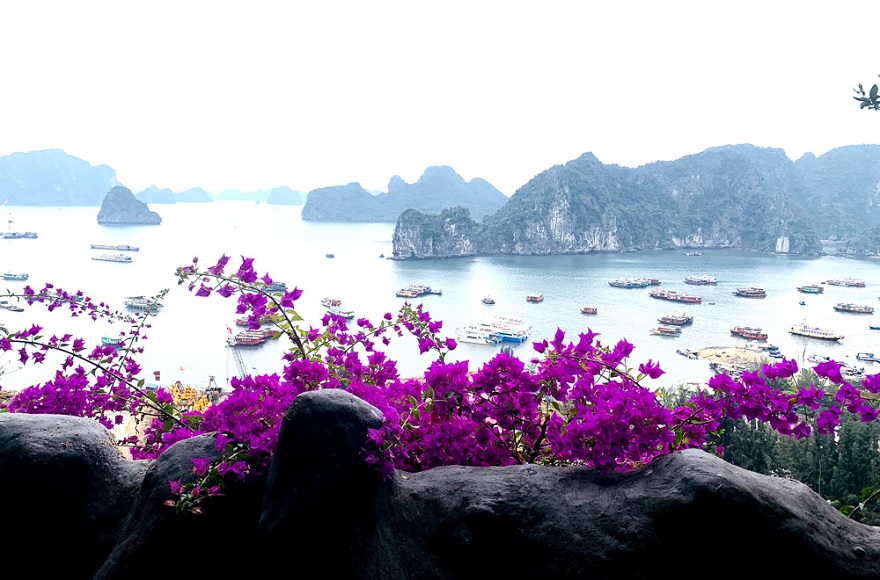
Sipping coffee from Thien Dang Cave offers a panoramic view of Bai Tu Long Bay from above.
2. Long Van Cave
Long Van Cave sits at a higher elevation than Thien Dang Cave, with its facade opening toward the sea. Spanning 157 meters in length, the cave is divided into two distinct branches by a striking dragon-head-shaped stalactite formation. The first branch, 20 meters long, houses a single inner chamber (Snow White Cave). The second branch extends 137 meters and encompasses nine chambers: the Buddha, Stone Blossoms, Bell Tower, Heavenly Court, and Eagle chambers, among others. The cave showcases fascinating rock formations that, through the lens of human imagination, transform into lifelike creatures and objects such as elephants, swans, temple bells, and lotus pedestals. Notably, Long Van Cave features grand hollows filled with raw mineral deposits of varying sizes, affectionately referred to by locals as the “Golden Treasury.”
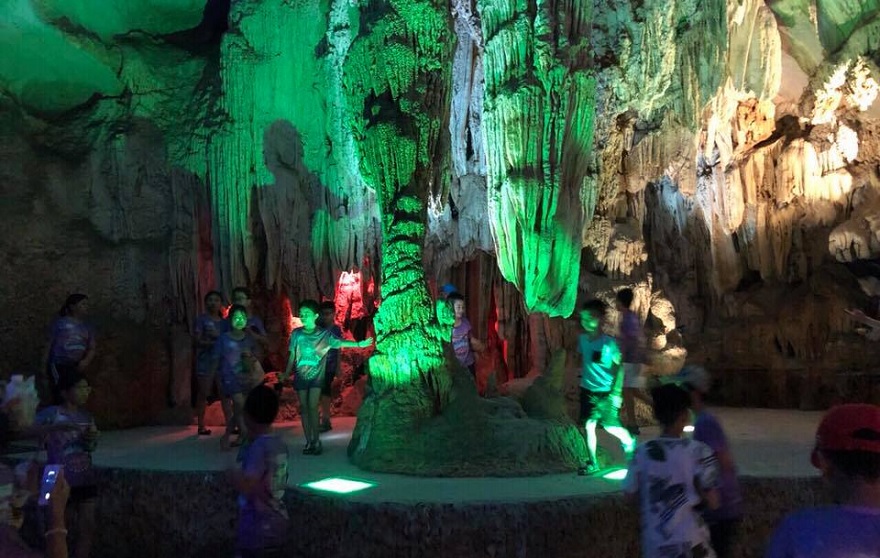
Long Van Cave is renowned for its magical, glittering stalactite formations.
3. Ngo Ngang Cave and Kim Quy Cave
Though more modest in scale, Ngo Ngang Cave and Kim Quy (Golden Tortoise) Cave continually leave visitors awestruck by nature’s ingenious artistry. The stalactites here appear as though arranged by an invisible master sculptor, vividly recreating scenes from the classic Vietnamese fairy tale “The Hundred-Knot Bamboo” alongside statues of three majestic deities. The atmosphere transports travelers into a miniature wonderland—a realm of pure enchantment.
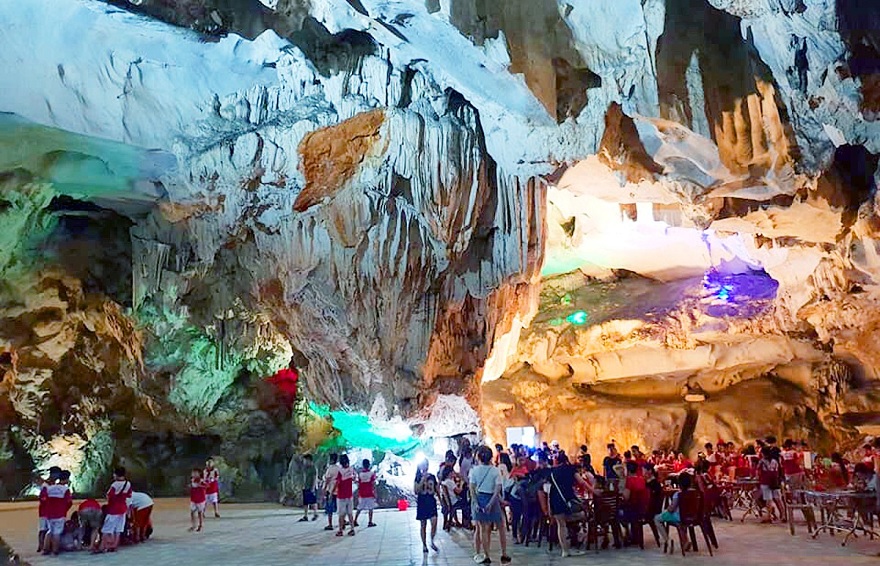
4. Bat Cave (Royal Palace Cave): Its Transformation into the Exquisite Dragon Pearl Cave
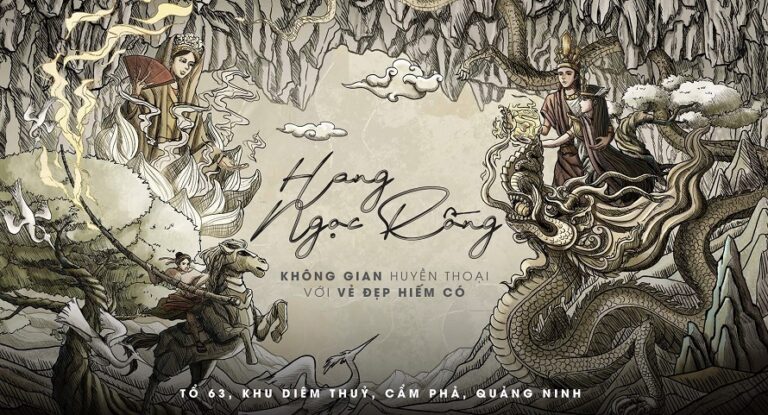
The grand finale and most breathtaking highlight of the Vung Duc expedition is the remarkable metamorphosis of Bat Cave—the largest cavern in the system. Spanning over 300 meters, it once served as a wartime sanctuary and a habitat for thousands of bats. Few know that Bat Cave is also historically known as the Royal Palace Cave (Động Cung Đình). Today, this historic heritage has undergone a magnificent renaissance, reborn under its new commercial identity as Dragon Pearl Cave (Hang Ngọc Rồng) — an opulent stage for Quang Ninh’s premier luxury entertainment and culinary experiences.
This groundbreaking transformation has been masterminded by Dragon Pearl Cave Co., Ltd., a proud member of APC Corporation. A renowned name in luxury tourism, this corporation is the visionary force behind the resounding success of Ambassador Cruise 5-star yachts and the Seafood Station Restaurant. The endorsement from such an esteemed hospitality leader ensures that every experience at Dragon Pearl Cave, from artistic performances to gourmet dining, is executed with immaculate professionalism to world-class standards.
For the very first time in Quang Ninh, the mystical ambiance of a natural cave has been transformed into a vibrant live stage. Guests are treated to two exceptional immersive live shows. “The Quest for the Dragon Pearl” show, directed by General Director Le Thanh Phong, is an emotionally resonant narrative dedicated to the Dragon Mother and her sacred pearl, blending performance art with cutting-edge 3D mapping technology. Meanwhile, “The Legend of Dragon Pearl Cave” show, helmed by General Director Dao Minh Vu (Loki Vũ), celebrates artistic elegance through contemporary dance and theatrical circus acts, turning million-year-old stalactites into enchanting stage companions.
The extraordinary journey culminates in the “Essence of the Nation” culinary banquet held deep within the heritage cavern. Under the visionary artistry of acclaimed Executive Chef Nguyen Gia Thien, the menu unfolds as a sensory narrative featuring celebrated delicacies such as crispy-skinned Tien Yen Chicken, luxurious Imperial-sauced Lobster, and concluding with a signature dessert of Gold-leaf Dragon Pearl. Savoring a candlelit dinner within a million-year-old subterranean “palace” promises an unforgettable, once-in-a-lifetime experience.