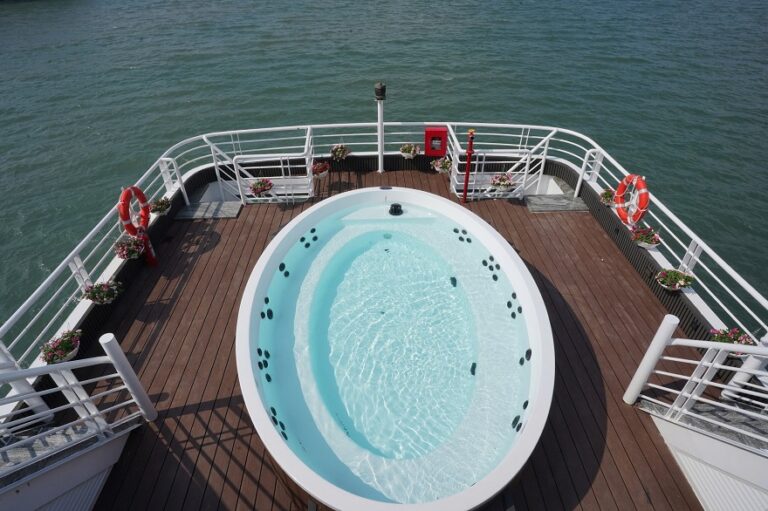
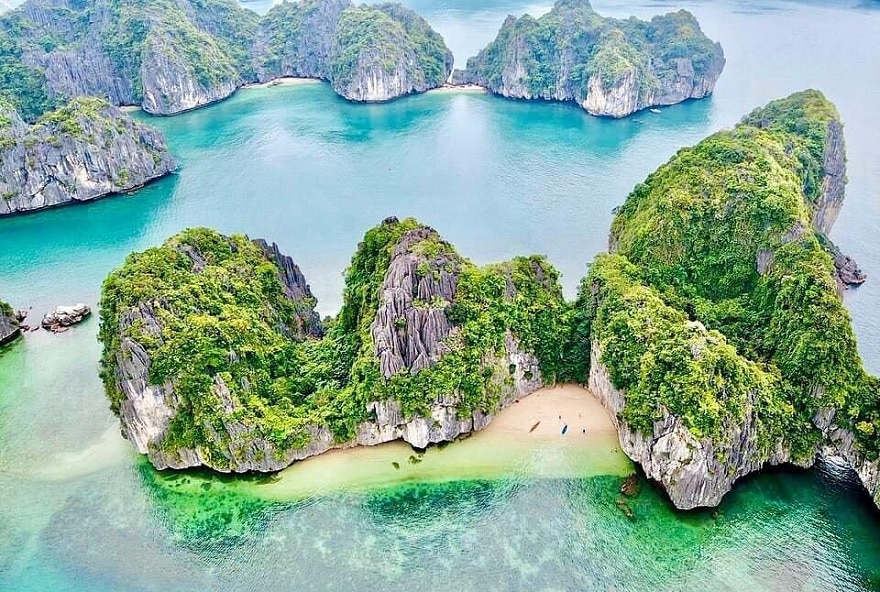
Cat Ba Archipelago, a sparkling green jewel amidst the Northeastern sea of Vietnam, is renowned not only for the pristine, majestic beauty of its white-sand beaches and sweeping limestone mountain ranges, but also for the unique biodiversity of its tropical forest ecosystem. Notably, since September 16, 2023, Cat Ba has officially become a part of the Ha Long Bay – Cat Ba Archipelago World Natural Heritage site, marking a pivotal milestone in the archipelago’s journey toward conservation and sustainable development. Alongside Ha Long Bay, Cat Ba contributes to a masterpiece of natural art, a harmonious convergence of sea and sky, majestic mountains, and the rich cultural values of local fishing communities. Join us in discovering this exquisite island to experience the breathtaking wonder of Cat Ba’s nature and people!
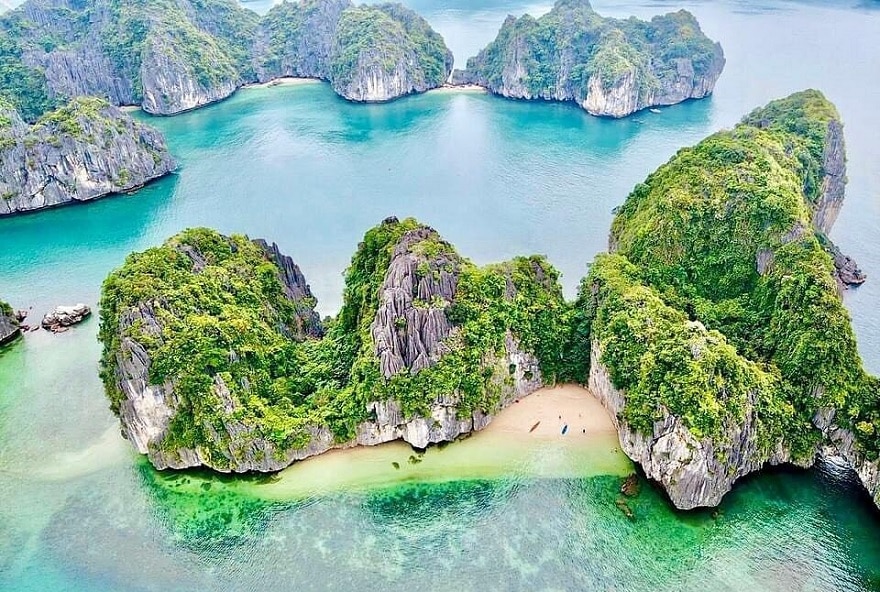
Cat Ba Archipelago
Location of the Cat Ba Archipelago
Cat Ba is a magnificent and poetic archipelago situated in the southern part of Ha Long Bay, off the coast of Hai Phong City and Quang Ninh Province. Spanning approximately 300 square kilometers, Cat Ba comprises 367 large and small islands, with Cat Ba Island being the largest. Measuring 28 kilometers in length and 13 kilometers in width, Cat Ba boasts over 100 pristine beaches of varying sizes. Often celebrated as the “Pearl Island,” Cat Ba enchants travelers with its untouched sapphire waters, powdery white sands, and golden sunshine. Designated as a UNESCO World Biosphere Reserve in 2004, Cat Ba features primeval limestone forests, mangrove ecosystems, coral reefs, seaweed beds, and a remarkably unique cave system.
The History and Evolution of Cat Ba
Cat Ba was historically pronounced “Cac Ba” (The Mothers), originating from a legendary era when local women managed logistical support for the men fighting invaders on a neighboring island named “Cac Ong” (The Fathers). Over time, “Cac Ba” evolved phonetically into “Cat Ba.” On French colonial administrative maps (such as the 1938 map), the archipelago was still officially designated as Cac Ba before eventually transforming into its modern name.
Cat Ba also boasts a profound and ancient heritage. Archaeological excavations at 15 distinct sites—including Eo Bua, Tung Ba, Bo Da, Khoan Mui, and Ang Giua caves—reveal that human habitation on the archipelago dates back at least 6,000 years. Furthermore, Cat Ba played a vital strategic role during the French and American resistance wars. The island is home to numerous historical landmarks such as Hospital Cave, Trung Trang Cave, and Cannon Fort. Hospital Cave served as a subterranean sanctuary sheltering thousands of Viet Minh soldiers during the French resistance from 1946 to 1954. Trung Trang Cave acted as a strategic base for Vietnamese combatants during the American war from 1964 to 1975, while Cannon Fort served as the headquarters of the Hai Phong Military Command during the same period.
In 2004, UNESCO officially recognized Cat Ba as a World Biosphere Reserve spanning 26,241 hectares, comprising 17,040 hectares of marine environment and 9,201 hectares of land. The Cat Ba Biosphere Reserve shelters over 2,300 species of flora and fauna, including rare and endangered species such as the Cat Ba langur (white-headed langur), hagfish, and gray whale.
In 2014, with the support of the United States Agency for International Development (USAID), the Ha Long Bay – Cat Ba Alliance initiative was launched to elevate the role of private enterprises in environmental protection, specifically minimizing the ecological impact of luxury cruise vessels on the bay’s ecosystem. The Alliance also actively assisted UNESCO in managing Ha Long Bay and proposed extending the boundaries of the Ha Long Bay World Natural Heritage site to encompass the Cat Ba Archipelago. This initiative swiftly garnered robust support and participation from numerous organizations, businesses, and local communities. In 2015, the Alliance’s leadership board was formally established, officially commencing practical conservation and sustainable development operations across the Ha Long Bay – Cat Ba region.
The tireless endeavors of the Alliance contributed significantly to UNESCO’s official recognition of the Ha Long Bay – Cat Ba Archipelago complex as a World Natural Heritage site on September 16, 2023. This momentous occasion marked a historic turning point, honoring the region’s outstanding universal value and opening new horizons for sustainable tourism development and natural heritage preservation for future generations.
How to Get to Cat Ba
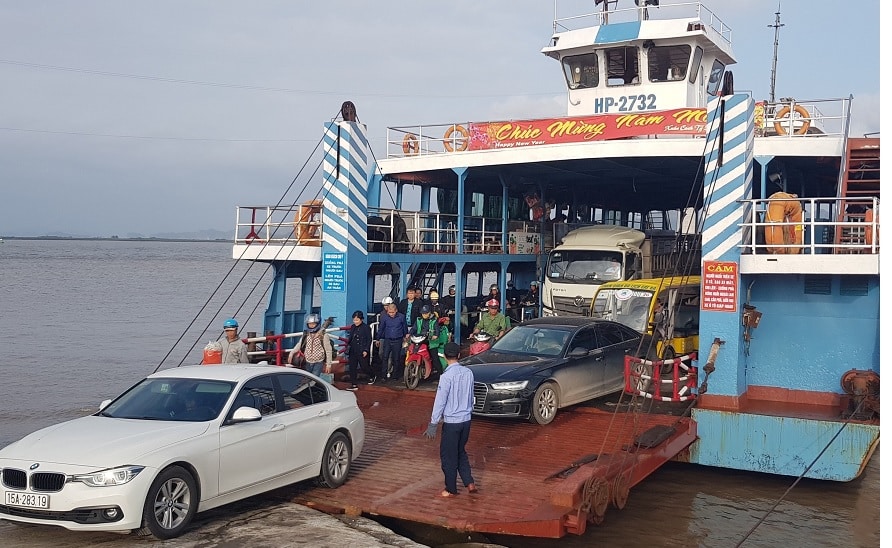
Got Ferry Terminal – Cat Ba
If you are traveling from Hanoi by private vehicle, you can take the Hanoi – Hai Phong Expressway, cross the Tan Vu sea-crossing bridge, and proceed to Got Ferry Terminal. From here, you have two primary options to reach Cat Ba Island:
- By Ferry: The ferry crossing from Got Terminal to Cai Vieng Terminal takes approximately 20 to 30 minutes. Ferries operate continuously from 6:00 AM to 6:00 PM with multiple departures daily. Ferry ticket prices for automobiles under 9 seats are 190,000 VND per trip (excluding passengers inside the vehicle). Adult passenger tickets cost 12,000 VND, and children’s tickets are 6,000 VND. From Cai Vieng Terminal, you will travel another 20 kilometers by road to reach downtown Cat Ba town. Motorbike rentals and taxis are readily available.
- By Cable Car: The spectacular cable car journey from Cat Hai Station to Phu Long Station takes about 10 minutes. Cat Hai Station is conveniently located near Got Ferry Terminal, with clear roadside directional signs. Round-trip cable car tickets are 200,000 VND for adults, 150,000 VND for residents with Hai Phong household registration, and 100,000 VND for children. Upon arrival at Phu Long Station, complimentary shuttle buses transport guests directly to downtown Cat Ba town.
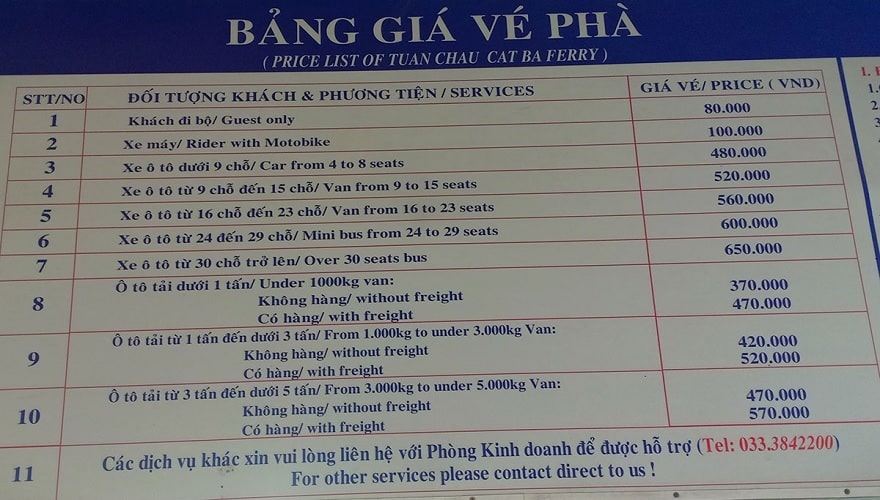
Tuan Chau – Cat Ba Ferry Rates
If you are currently in Ha Long and wish to travel to Cat Ba, taking the ferry from Tuan Chau International Passenger Port (located 13 kilometers from the Bai Chay tourist center) is highly recommended. The Tuan Chau to Cat Ba Ferry is a modern, safe, and cost-effective mode of transport that treats passengers to magnificent views of Ha Long Bay and Lan Ha Bay along the route. Operating daily with multiple departures, the crossing from Tuan Chau to Gia Luon Terminal in Cat Ba takes approximately 45 to 50 minutes. Ferry ticket prices are 60,000 VND for adults, 80,000 VND for motorbikes, and starting from 300,000 VND for automobiles depending on the vehicle type.
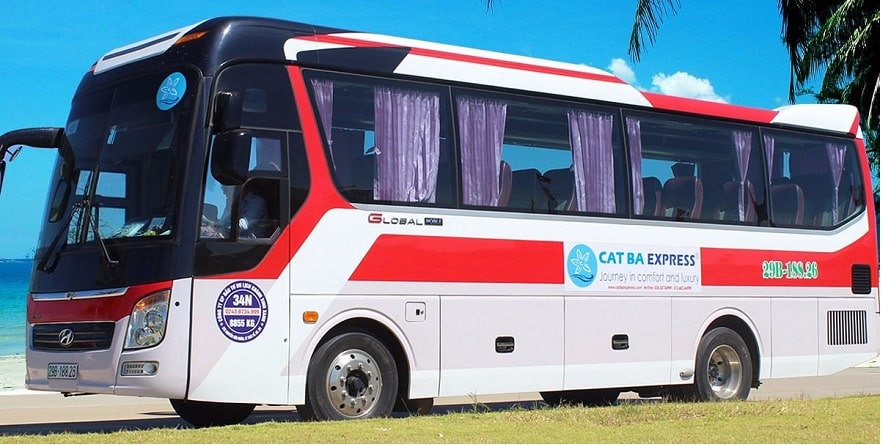
Cat Ba Express
For travelers opting for coach buses, several reputable limousine and bus operators run direct routes from Hanoi to Hai Phong or straight to Cat Ba. Recommended operators include:
- Cat Ba Express: Operates routes from Hanoi (37B Nguyen Huu Huan Street) to Cat Ba (219 Road 1/4) and vice versa. Ticket prices range from 250,000 to 300,000 VND per passenger per way, inclusive of ferry and cable car fees. Travel time is approximately 3 to 4 hours.
- Daiichi Travel: Operates routes from Hanoi (11 Trang Tien Alley) to Cat Ba (223 Road 1/4) and vice versa. Ticket prices range from 250,000 to 300,000 VND per passenger per way, inclusive of ferry and cable car fees. Travel time is approximately 3 to 4 hours.
- Hoang Long: Operates routes from Hanoi (5 Luong Yen Street) to Hai Phong (4 Luong Khanh Thien Street) and vice versa. Ticket prices range from 100,000 to 150,000 VND per passenger per way (excluding ferry and cable car fees). Travel time is approximately 2 hours.
Best Time to Visit Cat Ba
You can visit Cat Ba at any time of the year, depending on your personal preferences and travel objectives. However, to ensure an immaculate vacation, understanding the seasonal weather patterns of Cat Ba will help you select the ideal time to visit. Here are some helpful recommendations:
- Summer (April to October): This is the peak tourism season in Cat Ba, drawing vast numbers of domestic and international travelers eager to indulge in the sapphire waters, pristine white sands, and radiant sunshine. Summer weather is exceptionally pleasant with minimal rainfall and average temperatures ranging from 25°C to 32°C. It is the perfect period for swimming, relaxing, and engaging in water sports such as paddleboarding, kayaking, and scuba diving, alongside mountain trekking to explore the natural ecosystems of Cat Ba National Park. However, as this is the busiest season, accommodations can book out quickly and prices tend to rise. Early booking and comparing service rates are highly advised for a cost-efficient trip.
- Winter (November to March): This is the quietest season in Cat Ba, characterized by cooler temperatures, occasional light drizzles, and overcast skies. Average temperatures range from 15°C to 20°C, occasionally dropping below 10°C on exceptionally cold days. For travelers seeking refuge from the bustling crowds of summer, winter offers a serene and romantic island ambiance. Visitors can leisurely stroll, cycle, or ride motorbikes around the island to admire Cat Ba’s winter landscapes, explore traditional fishing villages, and immerse themselves in local history and culture. Winter also features discounted rates across tourist services, making it a budget-friendly option.
Please note that during summer and particularly over weekends or national holidays, Cat Ba experiences high tourist volumes, potentially leading to traffic congestion, fully booked hotels, and inflated prices. To avoid these inconveniences, consider traveling during weekdays or in shoulder months such as April, May, September, and October. Reserving ferry tickets, accommodations, and tours in advance is strongly recommended to secure availability and preferential rates.
Top Attractions in Cat Ba
Cat Ba is one of Hai Phong’s premier premier destinations, captivating millions of local and international visitors annually. As a premier marine-eco tourism destination, Cat Ba offers a stunning fusion of resort luxury and immersive exploration. Below are the most iconic attractions you should visit during your stay in Cat Ba.
2. Exploring the Cave Systems
The Cat Ba Archipelago boasts a rich subterranean network with over 20 caves officially discovered and managed for conservation. However, scientists estimate that the actual number may exceed 150 large and small caves hidden within the island’s limestone mountain ranges. This highlights an immense potential for future discovery, with countless mysterious caverns awaiting exploration.
A defining feature of Cat Ba’s cave system is the dramatic interaction between towering limestone topography and the marine environment, creating a distinct ecosystem unlike mainland caves. This unique geological structure, coupled with weathering processes, makes these caverns ideal habitats for numerous endemic wildlife species native to Cat Ba’s forests. Among them, Trung Trang Cave stands out as a natural masterpiece formed 6 to 7 million years ago.
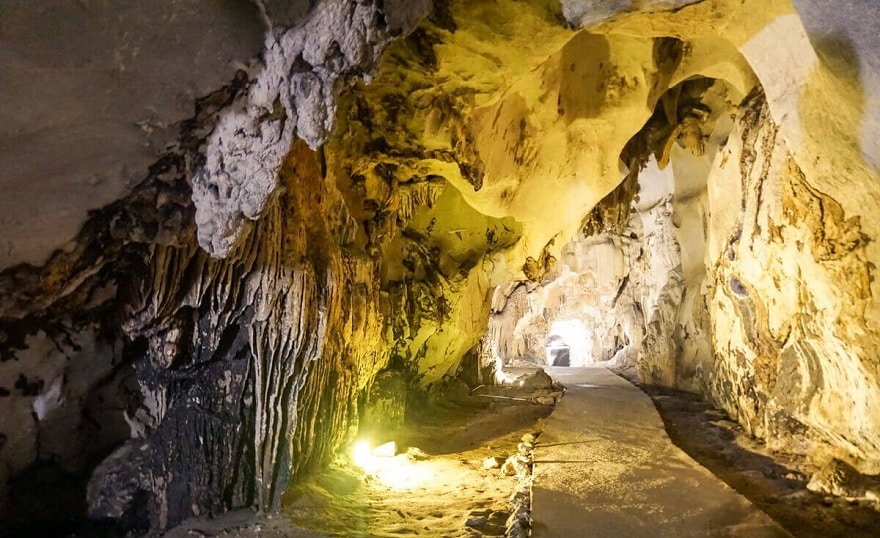
Trung Trang Cave
Since the majority of Cat Ba’s caves lie deep within strictly protected conservation zones, unauthorized entry is strictly prohibited. Only a select few caves—such as Hospital Cave, Thien Long Cave, and Trung Trang Cave—have been developed to serve educational and eco-tourism purposes for the public.
Aside from Hospital Cave (formerly known as Hung Son Cave), which was historically converted into a medical sanctuary and shelter for Cat Ba soldiers and civilians during the American war, the remaining caves of Cat Ba are meticulously preserved in their pristine states. Even for accessible tourist caves like Trung Trang and Thien Long, visitors are held to the highest standards of environmental preservation to maintain their ecological integrity and biodiversity.
3. Cat Ba National Park
Cat Ba National Park is a biodiverse and unique ecological sanctuary situated on the largest island of Ha Long Bay. Established in 1986, the park encompasses both terrestrial and marine ecosystems spanning over 17,000 hectares. Cat Ba National Park was officially recognized by UNESCO as the Cat Ba Archipelago Biosphere Reserve in 2004 for its outstanding global significance in conservation and sustainable development.
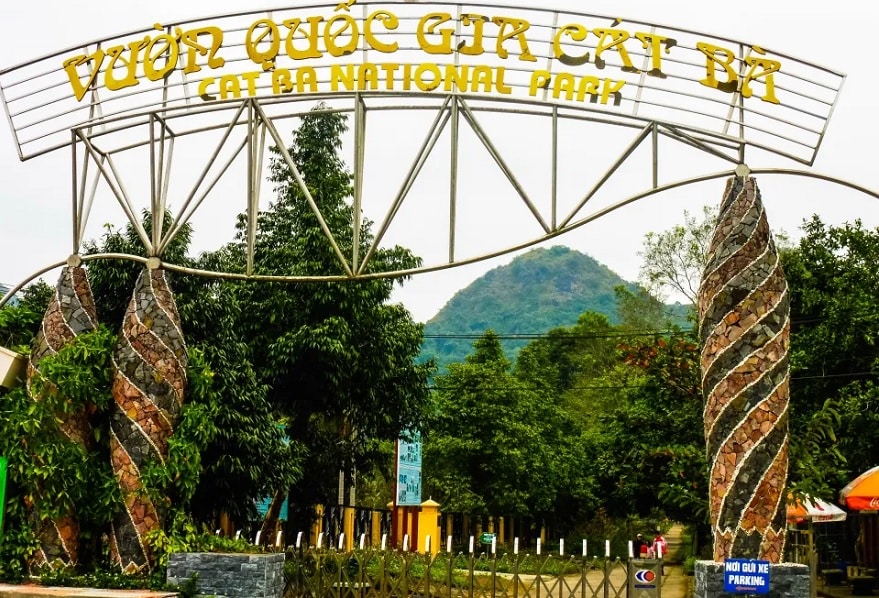
Cat Ba National Park
Cat Ba National Park offers an array of captivating eco-tourism activities, including jungle trekking, mountain climbing, cave exploration, marine cruises, and snorkeling. Visitors can marvel at the untouched beauty of forest and coastal landscapes while encountering rare fauna such as the Cat Ba langur, wild dogs, and civets. Additionally, travelers can delve into the local culture and history by visiting charming rural communities such as Cai Beo and Viet Hai fishing villages.
4. Viet Hai Fishing Village
Nestled deep within the primeval forests of Cat Ba National Park, Viet Hai is an ancient village that offers travelers an idyllic escape into tranquil rural life. To reach Viet Hai, visitors take a boat from Beo Pier across Lan Hal Bay, followed by a scenic 6-kilometer bicycle or motorbike ride along a winding jungle trail.
Viet Hai features traditional wooden houses with thatched roofs, and locals primarily sustain themselves through farming and animal husbandry. Visitors can participate in authentic agricultural activities such as rice cultivation, harvesting, and fruit picking. Homestay accommodations in traditional stilt houses or camping options are also available.
A notable landmark near Viet Hai is Quan Y Cave, a natural cavern approximately 300 meters long that served as a field hospital during the American war. The cave features fascinating limestone formations alongside historic wartime remnants.
5. Cai Beo Fishing Village

6. Cat Co Beaches
The Cat Co beaches rank among the most stunning coastal stretches in Cat Ba, located approximately 1 kilometer southeast of Cat Ba town. Divided into three distinct segments—Cat Co 1, Cat Co 2, and Cat Co 3—these beaches are interconnected by a picturesque coastal cliffside boardwalk.
Cat Co beaches feature powdery white sands, crystal-clear turquoise waters, and gentle waves. Visitors can swim, sunbathe, or engage in water sports such as paddleboarding, kayaking, and sailing. The area is well-equipped with amenities including restaurants, cafes, and resort hotels. These beaches tend to be lively during weekends and holidays.
7. Monkey Island
Monkey Island is a charming islet located about 5 kilometers from Cat Ba town. Originally named Cat Dua Island due to the abundance of wild pineapples growing across its terrain, Monkey Island offers a delightful excursion where visitors can interact with free-roaming wild monkeys.
Reachable via a short boat ride from Beo Pier, the journey treats guests to breathtaking vistas of Lan Ha Bay, dotted with hundreds of limestone karsts, white sandy coves, and floating houses. Upon arrival, travelers can relish the pristine natural environment, swim, snorkel, or hike to the summit for panoramic viewpoints.
The island is home to dozens of monkeys relocated by forest rangers from other protected areas. These playful creatures are accustomed to human presence, often approaching the shore for food. However, visitors should exercise caution to avoid provocation, as the monkeys may bite or snatch personal belongings.
8. Cannon Fort
Perched at an altitude of 177 meters above sea level, Cannon Fort is a vital historical landmark on Cat Ba Island. Constructed in 1942 by the French military to defend the Eastern Sea gateway against Japanese and American assaults, the fort was later taken over by the Vietnamese military for coastal defense. The site features an intricate network of underground tunnels, trenches, and three massive artillery cannons with a firing range of up to 15 kilometers.
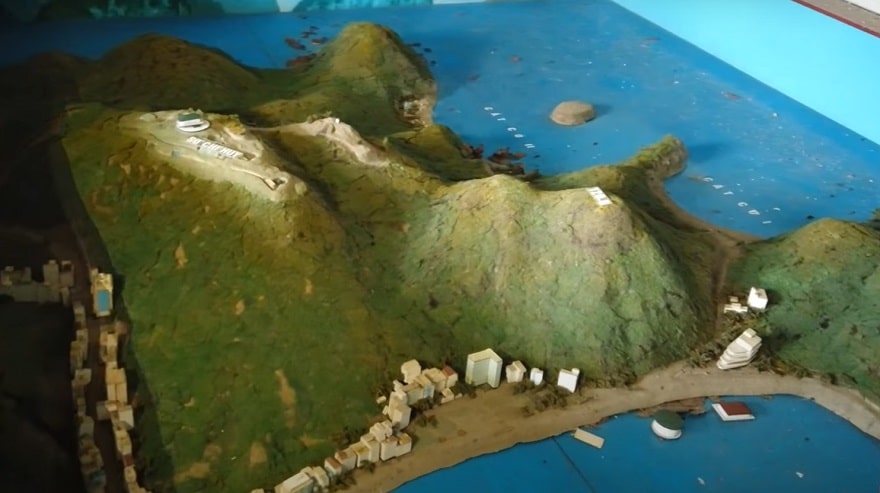
Relief map of the zone at Cannon Fort
Cannon Fort is not only a formidable military stronghold but also a premier scenic viewpoint in Cat Ba. From the fort’s observation deck, guests enjoy breathtaking 360-degree panoramas of Cat Ba town, Lan Ha Bay, and surrounding islets. It is also the ultimate sunset-watching spot on the island, where the golden hour paints the sea in shimmering hues. Visitors can also explore historical artifacts and informative displays detailing Cat Ba’s rich heritage in the fort’s exhibition room.
Access to Cannon Fort from Cat Ba town is easily arranged via motorbike rental or taxi. Entrance fees are 80,000 VND for adults and 20,000 VND for children. Bringing a hat, drinking water, and a flashlight is recommended, along with exercising caution when climbing around the artillery or navigating the tunnels.
Where to Stay in Cat Ba
Although Cat Ba is an island destination, it offers a remarkably diverse hospitality landscape, ranging from budget-friendly hotels to ultra-luxury resorts, boutique homestays, and prestigious overnight luxury cruises on Lan Ha Bay. Here are our top recommendations:
- For luxury and lavish amenities, top-tier resorts such as Cat Ba Island Resort & Spa, Cat Ba Sunrise Resort, Cat Ba Beach Resort, and Flamingo Cat Ba Beach Resort offer prime beachfront locations, swimming pools, world-class spas, and impeccable service. Room rates range from 1,500,000 VND to 4,000,000 VND per night.
- For an unforgettable overnight experience upon the water, 5-star luxury cruises such as Mon Chéri Cruises, Orchid Cruises, and Era Cruises take you on an immersive journey through Lan Ha Bay, complemented by activities like kayaking, snorkeling, squid fishing, and beach BBQ dining. Tour packages range from 2,300,000 VND to 4,000,000 VND per person per night.
- For an authentic connection with nature and local life, charming boutique homestays such as Sadhu Garden Inn, Woodstock Beach Camp, and Cat Ba Eco-Lodge provide serene, verdant, and cozy settings. Guests can rent bicycles or motorbikes to explore nearby sights or partake in wellness activities like yoga, cooking classes, and organic gardening. Room rates range from 200,000 VND to 800,000 VND per night.
Dining and Culinary Hotspots in Cat Ba
Cat Ba is a captivating destination celebrated for its stunning natural vistas and vibrant activities. Complementing its scenery is a thriving culinary scene featuring exceptional restaurants serving everything from freshly caught seafood to exquisite international gastronomy. Recommended dining venues include:
- Quan Cat Ba Family: A renowned seafood restaurant beloved by travelers, offering a spacious, spotless, and airy environment. The menu features an extensive selection of fresh seafood—including prawns, crabs, fish, clams, and snails—prepared in diverse culinary styles. Prices are reasonable, ranging from 100,000 VND to 800,000 VND per dish.
- Marigold: For refined and upscale European dining, Marigold on Tran Hung Dao Street presents a sophisticated, modern, and warm ambiance. The restaurant specializes in exceptional European fare such as artisan pizzas, pastas, salads, and prime steaks, accompanied by a curated selection of fine wines and cocktails. Pricing is upscale, ranging from 300,000 VND to 1,500,000 VND per dish.
- Yummy Restaurant: Located near Cat Co 3 Beach, this intimate Vietnamese eatery features charming artistic wall murals and unique decor. Serving traditional Vietnamese delicacies like pho, bun cha, and crispy sizzling pancakes (banh xeo) prepared with delicious authentic flavors at modest prices, the restaurant also offers vegetarian options for health-conscious diners. Prices range from 50,000 VND to 300,000 VND per dish.
Recommended Cat Ba Itinerary
Day 1: Begin your journey by visiting Cat Co 2 Beach, widely regarded as the most picturesque beach on the island. Swimwear rentals are available if needed, leaving you free to sunbathe and swim at your leisure. Please note that swimming is restricted after 6:30 PM due to safety considerations. Afterward, take a leisurely stroll to Cannon Fort to witness a breathtaking ocean sunset. In the evening, explore downtown Cat Ba’s vibrant selection of restaurants and lounge bars for dinner and entertainment.
Day 2: Continue your exploration of Cat Ba by embarking on a luxury cruise across Lan Ha Bay, where majestic and romantic seascapes unfold. Enjoy kayaking into secluded lagoons inaccessible to larger vessels, with a stopover at Monkey Island to encounter playful wildlife and enjoy snorkeling or swimming. Upon returning to Cat Ba town, sample a unique local delicacy such as “Tu Hai” (gooeyduck), a prized fresh seafood specialty prepared in traditional local style.
Day 3: Conclude your expedition by choosing one of two exceptional options:
- Option 1: Visit the ancient Cai Beo Fishing Village, one of Vietnam’s oldest maritime communities. Gain fascinating insights into the daily life, history, and culture of local fisherfolk while observing traditional fishing and aquaculture practices.
- Option 2: Explore Cat Ba National Park, a renowned ecological sanctuary celebrated for its rich biodiversity. Marvel at pristine forest landscapes, rugged mountains, and coastal vistas while encountering rare endemic wildlife species.
These essential insights will ensure you are fully prepared before embarking on your journey. We wish you an unforgettable and joyous adventure in Cat Ba!