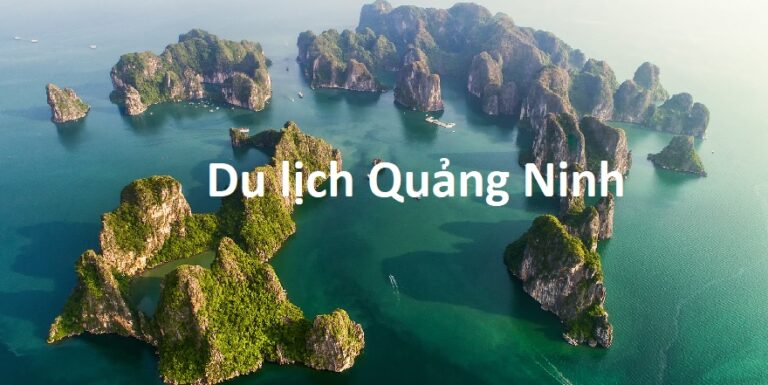
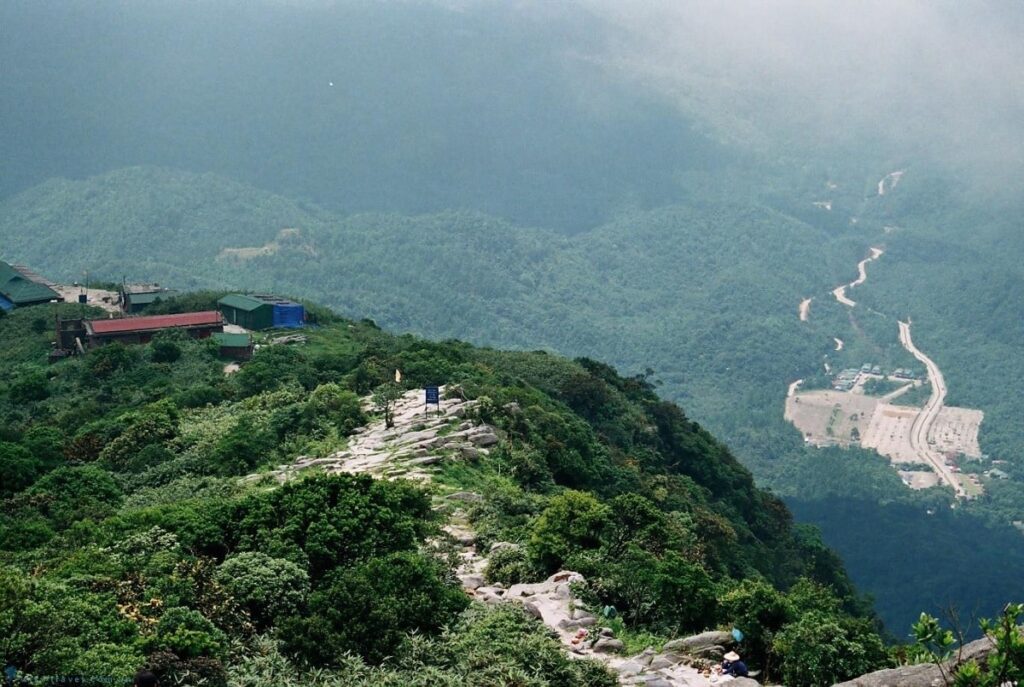
Quang Ninh is a renowned tourism province in Vietnam, home to the world-heritage Ha Long Bay. Yet, beyond its coastal allure, Quang Ninh is also home to Yen Tu Mountain—a unique spiritual and cultural destination that draws millions of visitors annually. Yen Tu Mountain preserves numerous relics intrinsically linked to the Truc Lam Zen school and the Buddhist King Tran Nhan Tong.
Read more: Explore the signature tourist attractions in Quang Ninh
Key Features of Yen Tu Mountain
Yen Tu Mountain was officially recognized as a Special National Heritage Site under Decision No. 1419/QĐ-TTg, issued by the Prime Minister on September 27, 2012. Furthermore, it is a core component of the Yen Tu Monuments and Landscapes Complex, which encompasses four special national historical clusters: the Yen Tu Historical and Scenic Site (Uong Bi City, Quang Ninh), the Tran Dynasty Historical Site (Dong Trieu Town, Quang Ninh), the Western Yen Tu Scenic Site (Bac Giang), and the Con Son-Kiep Bac-Thanh Mai Complex (Hai Duong). The Yen Tu Monuments and Landscapes complex is widely considered a candidate for UNESCO World Heritage status. Below are the three primary characteristics of Yen Tu Mountain.
1. Location and Geography of Yen Tu Mountain
The Yen Tu mountain range is situated in Northeast Vietnam, extending across the three provinces of Quang Ninh, Bac Giang, and Hai Duong. The southern slopes (Eastern Yen Tu) primarily belong to Quang Ninh province with a small portion in Hai Duong, while the northern slopes (Western Yen Tu) fall within Bac Giang province. It is one of the four main mountain arcs of the Dong Trieu range, stretching 80km in length and 50km in width.
The Yen Tu range constitutes the second segment of the Dong Trieu arc (which consists of four major sections), running from the West-Northwest to the East-Southeast. It extends from the peak of Yen Tu (on the border between Quang Ninh and Bac Giang) toward the Con Son – Kiep Bac – Luc Dau Giang area, tapering off near the left bank of the Cau River (Viet Yen district, Bac Giang). Its northern indentation forms a region of low hills and plains known as the Luc Nam – Luc Ngan “basin” (Bac Giang). Its southern protrusion guards the mouth of the Bach Dang River. If the Yen Tu range is considered the central peak of the Dong Trieu Arc, the Bach Dang estuary lies at the center of its outer edge facing the sea.
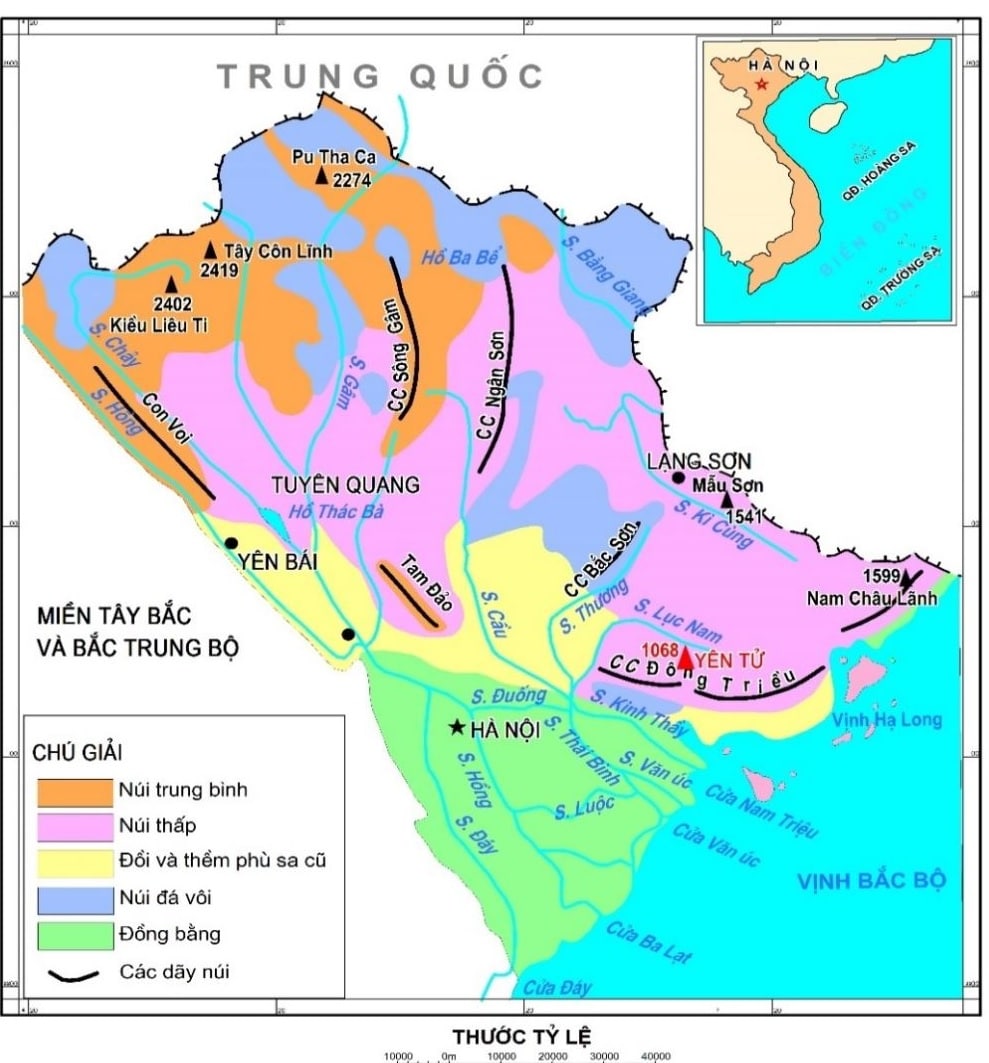
Yen Tu Mountain belongs to the 2nd section of the Dong Trieu arc
The Yen Tu range consists of undulating peaks resembling a massive dragon stretching toward the sea, with an average elevation of over 600m. The highest point is the “dragon’s head”—the Yen Tu peak, also known as Phu Van peak, standing at 1,068m above sea level and perpetually veiled in clouds (the name of the range is derived from this peak). The elevation gradually decreases toward the west with peaks such as Phat Son (1,000m), Ngoa Van, Ho Thien (900m), Thanh Mai (800m), Quan Am (780m), Huyen Dinh, Thang Nguoi (700m), Long Thuyen (600m), and others, eventually descending to roughly 200–240m at Con Son – Kiep Bac – Luc Dau Giang, with the tail end of the range, Phuong Hoang Mountain, reaching even lower elevations. Between these peaks are lower saddles that have been used by humans for centuries to traverse between the northern and southern sides of the range.
2. Flora and Fauna System of the Mountain
One of Yen Tu’s defining features is its special-use forest ecosystem, covering a total natural area of 2,783 hectares. Benefiting from a hot and humid tropical-subtropical climate with high rainfall, the flora of Yen Tu is highly diverse in species, genera, and families. The Yen Tu forest contains five plant phyla with 830 species, the most abundant being Angiosperms with 670 species, including 38 rare and endemic plants. Within this, there are 547 useful plant species with 13 different categories of applications. The medicinal group alone comprises about 300 species, including highly valuable plants such as: Acanthopanax, Anoectochilus, Cat Sam, Fujian Cypress, Cirsium, Chlorophytum, red-rooted Fallopia multiflora, black-colored herbal supplements, Gynostemma pentaphyllum, Melientha suavis, Jewel Orchid, Paris polyphylla, and Indian snakeroot. Notably, Yen Tu is home to 20 rare plant species listed in the Vietnam Red Data Book, with six species prioritized for conservation and development: Green Lim, Afzelia xylocarpa, Sến Mật, Tàu Mật, Pseudotaxus chienii, and Trầu Tiên.
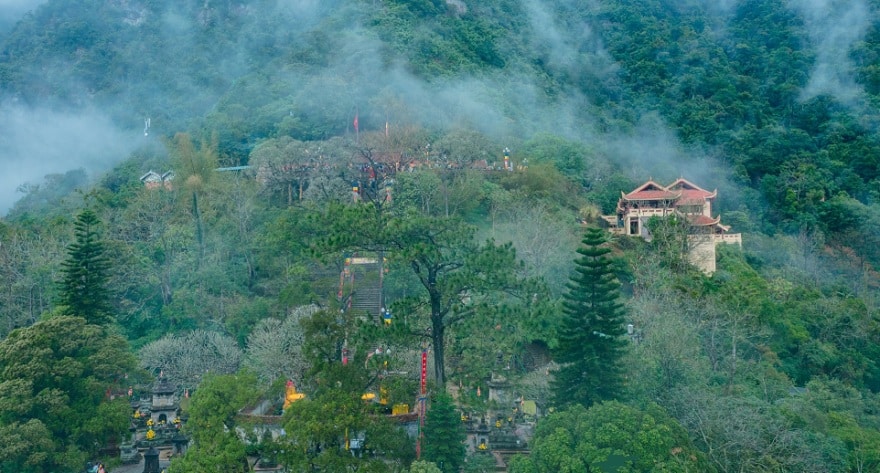
Yen Tu National Forest
Today, Yen Tu is home to trees that are hundreds of years old, linked to the religious practice of King Tran Nhan Tong and his followers. In 2016, the Yen Tu National Forest recognized 144 trees as Heritage Trees, including 1 Banyan tree, 1 Fig tree, 102 Fujian Cypress trees, 10 giant pine trees, 21 endemic Yen Tu yellow apricot trees, and 9 ancient Dalbergia trees. The Heritage Tree system in Yen Tu is not only notable for its historical and spiritual value but also for the impressive age of these trees, ranging from 300 to over 700 years old.
Furthermore, the local fauna is incredibly diverse, boasting 151 species. Among them, 20 species are listed in the Vietnam Red Data Book, such as the Tonkin snub-nosed monkey, the giant flying squirrel, and various rare frogs and reptiles, all of which are of high value for gene conservation, scientific research, education, and tourism.
3. Historical and Cultural Significance of Yen Tu
In 1299, the Truc Lam Yen Tu Zen sect was founded by King Tran Nhan Tong, based on a philosophy that harmonized the religious path with worldly life. After his passing in 1308, his two disciples, Phap Loa and Huyen Quang, continued to lead and expand this sect. Since then, Yen Tu became the ideological capital of Truc Lam Buddhism, continuously preserved and developed through successive eras. Over the centuries, Yen Tu Mountain has become home to numerous pagodas, hermitages, towers, stupas, stelae, and statues, all seamlessly integrated into the magnificent, poetic landscape that stretches across dozens of kilometers. The cultural values of Truc Lam Buddhism have been passed down by succeeding generations, spreading throughout Vietnam and across the world to this day.
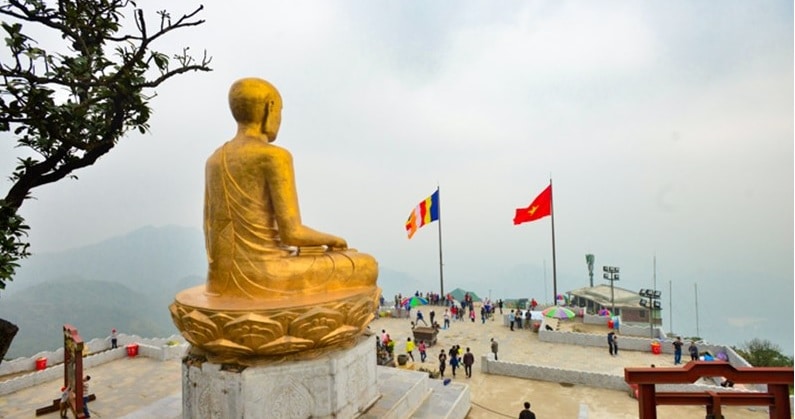
Statue of Buddhist King Tran Nhan Tong on Yen Tu Mountain
Tran Nhan Tong and the Truc Lam Yen Tu Zen Sect
Tran Nhan Tong (1258–1308), born Tran Kham (陳昑), and styled Thanh Phuc, was the third emperor of the Tran Dynasty, reigning over Dai Viet from 1278 to 1293. As the eldest son of Emperor Tran Thanh Tong and the grandson of Emperor Tran Thai Tong—the two monarchs who founded and solidified the Vietnamese nation—Tran Nhan Tong is celebrated as a brilliant sovereign. He made significant contributions to the sustainable development of the country, while also playing a pivotal role in safeguarding its independence and expanding its territorial sovereignty.
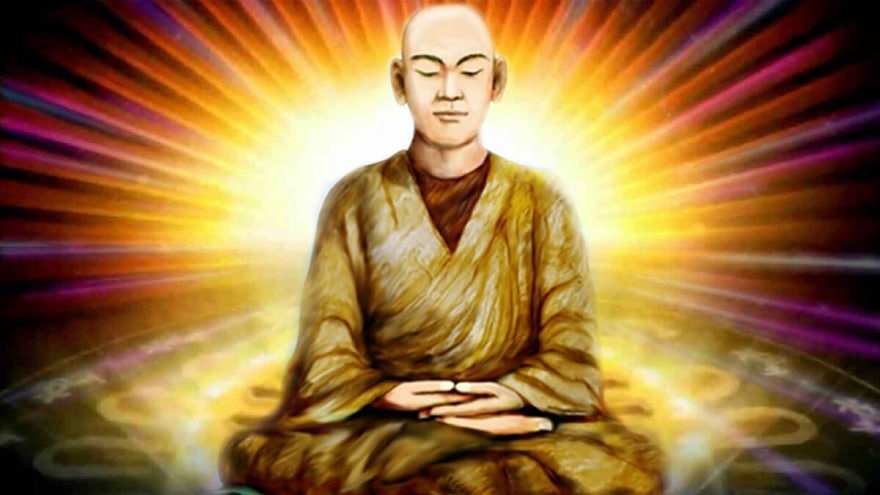
Tran Nhan Tong
In history, Tran Nhan Tong is most renowned for his leadership during the two wars against the Mongol invaders. Together with his father, Retired Emperor Tran Thanh Tong, and the supreme commander Tran Hung Dao, he led the army and people of Dai Viet to defeat the Yuan forces in 1285 and 1288, securing glorious victories that remain landmark events in both national and world history.
After abdicating the throne to his son, Tran Anh Tong (born Tran Thuyen), in 1293, Tran Nhan Tong renounced worldly life to embrace Buddhism. He became the founder of the Truc Lam Yen Tu Zen school, a lineage imbued with Vietnamese cultural identity and a spirit of engaged Buddhism. Tran Nhan Tong is regarded as a profound philosopher of Buddhist studies, having helped Vietnamese Buddhist philosophy flourish while embodying the resilience and wisdom of the Vietnamese people.
After 1298, he traveled extensively as a monk to preach the Dharma. The philosophy of the Truc Lam school, which he pioneered, did not call for followers to abandon worldly life or practice extreme asceticism; instead, it promoted benevolence, emphasized humanitarian education, discouraged social stratification, and encouraged a deep reverence for one’s roots. His lectures attracted thousands of followers who came to listen and absorb his teachings.
In 1299, Tran Nhan Tong ascended the Yen Tu mountain to practice meditation, taking the Dharma names Huong Van Dai Dau Da (The Great Ascetic of Fragrant Clouds) and Truc Lam Dai Dau Da (The Great Ascetic of the Bamboo Forest), attracting many disciples. He is revered by posterity as the Buddhist King (Phat Hoang) Tran Nhan Tong.
In 1308, Tran Nhan Tong passed away at the Ngoa Van hermitage on Yen Tu Mountain.
Why did Tran Nhan Tong choose Yen Tu Mountain as his place of practice?
Regarding this event, Hai Luong Thien Su – a monk who considered himself the “Fourth Patriarch of Truc Lam” in the 18th century – opined: “People saw the First Patriarch (Dieu Ngu) arrive at Hoa Yen Pagoda and assumed he had come to renounce the world. I, however, believe that His Majesty, at the time, viewed the nation as his primary concern. While the country was at peace, powerful neighbors loomed in the North. Fearing that the people might be unsettled, he chose Yen Tu Mountain—the highest peak in the region—to establish a pagoda. From there, he could overlook Yen Quang to the east and cast his gaze toward the provinces of Lang Son and Cao Bang to the north, allowing him to monitor the pulse of the realm and guard against the threat of foreign invasion.”
However, for those who have stood upon the summit of Yen Tu and gazed out in all directions, such speculative claims—unsupported by reality—are almost laughable. The peak of Yen Tu, where Tran Nhan Tong practiced, is neither high enough to overlook the northern frontier nor wide enough to view the East Sea. Furthermore, why would a monarch representing the absolute authority of the nation, commanding tens of thousands of troops and leading a country where every citizen was ready to defend the homeland, restrict himself to the role of a mere border sentry as suggested by Hai Luong Thien Su?
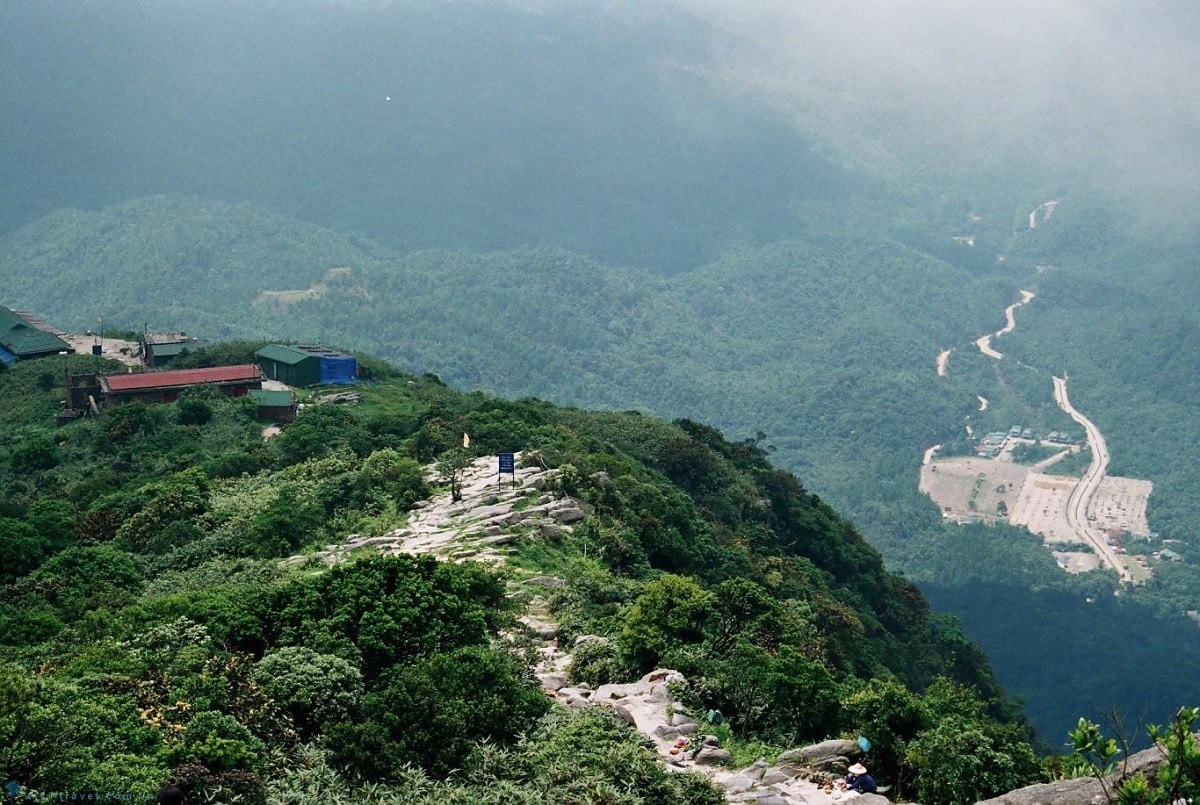
Yen Tu Mountain – The sacred mountain of Vietnam
Because King Tran Nhan Tong did not explain his choice of this mountain range for his ascetic path upon renouncing the throne, many later generations have offered subjective interpretations, some of which have been widely accepted without scrutiny. This has diminished and distorted the noble and sacred motives behind the Buddhist King’s practice. Nevertheless, based on historical factors and geographical positioning, several reasons can be identified:
First: Yen Tu holds a special position and significance for the Tran Dynasty and Tran Nhan Tong himself.
The late Professor Tran Quoc Vuong argued that “The Tran family were people of the sea, descendants of the Dan, an ethnic group living along the coast from Fujian southward, who migrated to Vietnam and emerged as a political force during the late Ly Dynasty.” Dong Trieu was likely the first settlement of the Tran family after their southward migration. The *Dai Viet Su Ky Toan Thu* (Complete Annals of Dai Viet) records: “Previously, the King’s ancestors (Tran Canh – Tran Thai Tong) were people from the Min territory.”
Regarding the royal tombs in Hai Duong province, the *Dai Nam Nhat Thong Chi* writes: “The Tu Phuc Mausoleum of the Tran Dynasty is in Yen Sinh commune, Dong Trieu district. The tombs of Tran Thai Tong, Thanh Tong, and the Jian-Ding Emperor are all located here. During the Hong Thuan and Hoang Dinh eras of the Le Dynasty, they were restored, but eventually fell into disrepair. The original foundation remains; in the 21st year of Minh Mang, they were repaired and memorial stelae were erected.”
[Historical records (Annals of Tran Anh Tong) note that the divine stele at Yen Sinh states that the ancestors of the Tran family were originally from Yen Sinh, Dong Trieu, before moving to Tuc Mac in the Thien Truong prefecture. Thus, all Tran kings were buried in Yen Sinh, and when they renounced the throne to enter monastic life, they also chose Yen Sinh as their place of retreat.” Furthermore, the Dong Trieu area was the fiefdom granted to Tran Lieu, the Prince of Yen Sinh, the eldest son of Tran Thua and brother of King Tran Thai Tong (Tran Canh).
In the An Nam Chi Luoc , a historical prose work written in Chinese characters by Le Tac (1263 – 1342) while in exile in China during the first half of the century, there is a clear account of Yen Tu:
“Yen Tu Mountain, also called Yen Son or Tuong Son, rises above the clouds. At the beginning of the Huang-You era of the Song Dynasty (1049–1053), the imperial court bestowed upon it the name Tu Y Dong Uyen. The Great Master Ly Tu Thong presented the King with a map of famous peaks and a poetic tribute:
The fourth blessed land of Giao Chau is Yen Tu Mountain. New buds emerge on the mountain crest, gracefully blooming in the hidden ravines. Fairies ride phoenixes to sit in the tranquil scenery, as onlookers watch the dragon descend to play in the blue lagoon.”
Yen Tu is one of the four blessed lands of Giao Chau, considered sacred since the Ly and Tran dynasties. It is no coincidence that Tran Nhan Tong chose Yen Tu for his practice, as he recognized this site as a place of great spiritual blessings.
Yen Tu was also where Tran Thai Tong—the grandfather of Tran Nhan Tong—came to “seek Buddhahood” in his youth (1236). However, thanks to the counsel of Truc Lam Dao Vien and the intervention of Grand Chancellor Tran Thu Do and the court officials, Tran Thai Tong returned to his throne and became a wise ruler with a Buddhist heart.
Yen Tu was also a place frequently visited by Tran Thanh Tong—the father of Tran Nhan Tong—who often wrote poetry there. At age 16 (1274), Tran Nhan Tong was named Crown Prince but wished to abdicate in favor of his younger brother, Duc Viep; the request was denied. He subsequently left to practice in Yen Tu, an event recorded in the *Thanh Dang Ngu Luc*.
Thus, “The Dong Trieu – Yen Tu region holds a unique position for the Tran clan. It can be called the spiritual homeland of the Tran era; when the kings faced trials, they returned there, and when they passed, they were interred there. People naturally yearn to return to their ancestral home in their final days”[4]. When King Tran Nhan Tong spent the last ten years of his life in ascetic practice, returning to his ancestral roots in Yen Tu followed this deep-seated family tradition.
Therefore, the significance of the Dong Trieu – Yen Tu region to the Tran family is profound. It is the spiritual land of the Tran era. The fact that Tran Nhan Tong returned to Yen Tu after renouncing the throne is, in line with family tradition, hardly surprising.
Second: Yen Tu is recognized as a place where predecessors achieved spiritual enlightenment.
Before this, Yen Tu was famous for the legend of Yen Ky Sinh, who practiced Taoism and attained immortality here. Although historical evidence is lacking, a stone statue (whether man-made or natural) believed to represent Yen Ky Sinh near the peak suggests this site is an ancient center of Taoism and a place where people sought to become Immortals.
At the end of the Ly Dynasty, Yen Tu was home to Patriarch Hien Quang. At the beginning of the Tran Dynasty, National Teachers such as Dao Vien, Dai Dang, and Zen Masters Tieu Dao and Hue Tue—who served as the mentors to the Enlightened King (Dieu Ngu Giac Hoang)—all practiced and achieved dharma here, establishing the foundations of the Yen Tu Zen lineage.
Famous Heritage Sites at Yen Tu Mountain
- The monuments along the main route (Yen Tu road) include: Trinh Pagoda, Suoi Tam Pagoda, Cam Thuc Pagoda, and Lan Pagoda (Truc Lam Zen Monastery).
- The central monument cluster, spanning from Giai Oan Pagoda to Dong Pagoda, includes: Giai Oan Pagoda, Hon Ngoc, the Ancestral Tower, Hoa Yen Pagoda, Mot Mai Pagoda, Hoa Hermitage, Duoc Hermitage, Thien Dinh Hermitage, and Ngoa Van Hermitage.
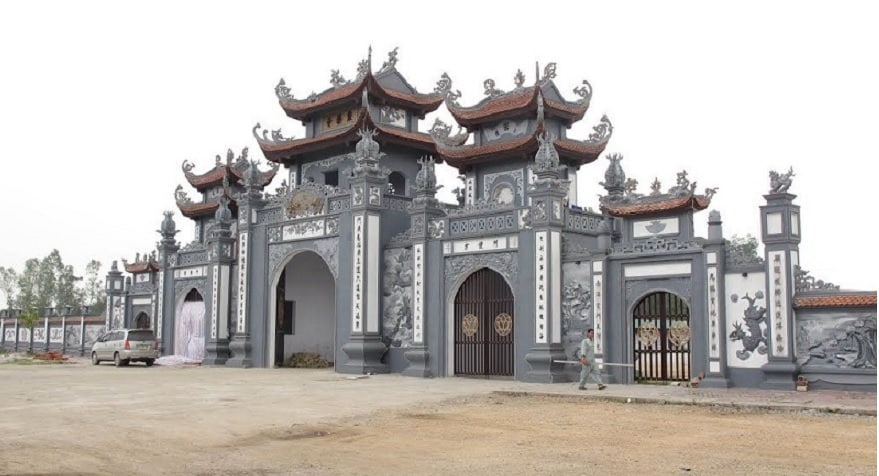
Trinh Pagoda, Yen Tu
Trinh Pagoda: Originally built during the Later Le Dynasty, this temple underwent major renovations in 1993 and 1999 to achieve its current appearance. It is considered the gateway for travelers embarking on their journey to explore Yen Tu Mountain. Trinh Pagoda features a rectangular architectural design, housing several structures including the Front Hall, the Main Sanctuary for Buddha worship, the Right Corridor dedicated to the Eighteen Arhats, the Left Corridor, the Ancestral House dedicated to the three founders of Truc Lam, as well as altars for the Tran Dynasty, the Three Kings, and the Three Holy Mothers. The pagoda currently preserves many exquisite statues of Buddha crafted from bronze and jackfruit wood.
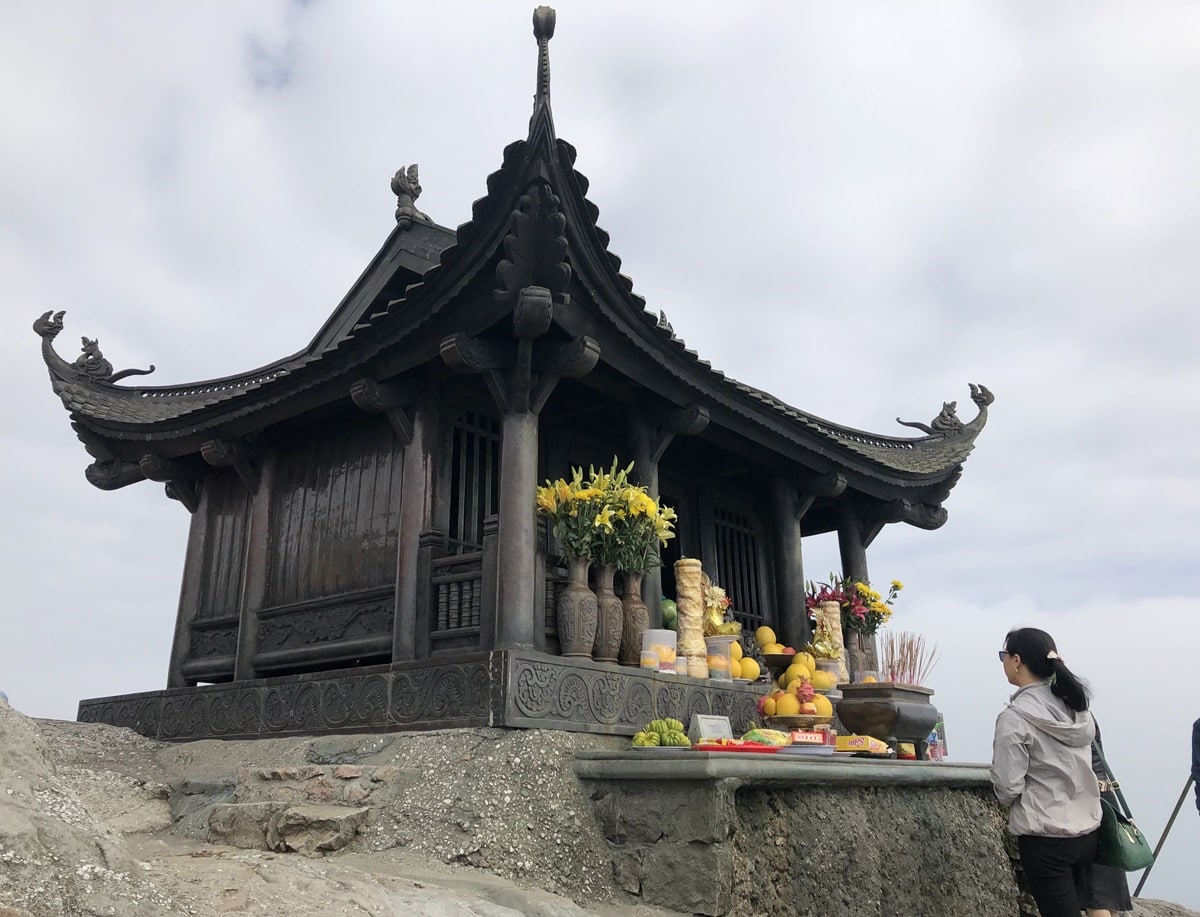
Dong Pagoda, Yen Tu
Dong Pagoda: This is the largest bronze pagoda in Asia, perched atop Yen Tu Mountain at an altitude of 1,068 meters above sea level. Spanning approximately 20 square meters and weighing 70 tons, the pagoda was cast based on the prototype of Dau Keo Pagoda in Bac Ninh. It features four tiled roofs with curved corners decorated with Tran Dynasty dragon motifs. Inside, the pagoda enshrines Shakyamuni Buddha and the three founders of the Truc Lam Zen sect.
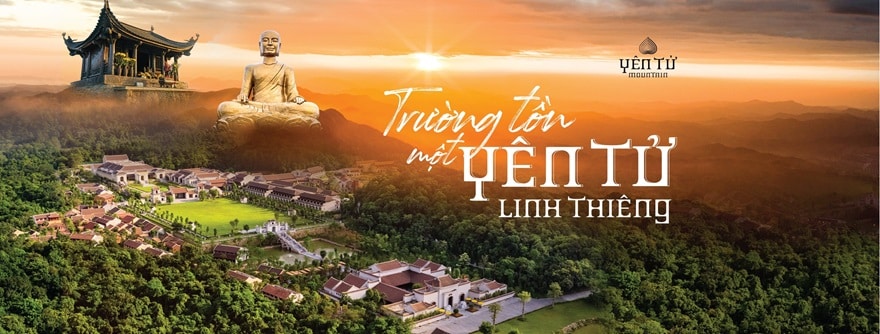
Truc Lam Yen Tu Zen Monastery: As one of the largest monasteries in Vietnam, this site serves as a center for teaching and practicing the Truc Lam Zen tradition. The monastery features classic architectural styles, incorporating structures such as the Triple Gate (Tam Quan), the Three Jewels Hall (Tam Bao), a Buddhist library, and residential quarters for monks, nuns, and lay practitioners. Nestled amidst poetic natural landscapes with its unique architecture, it is a popular destination for tourists seeking spiritual peace and scenic views.
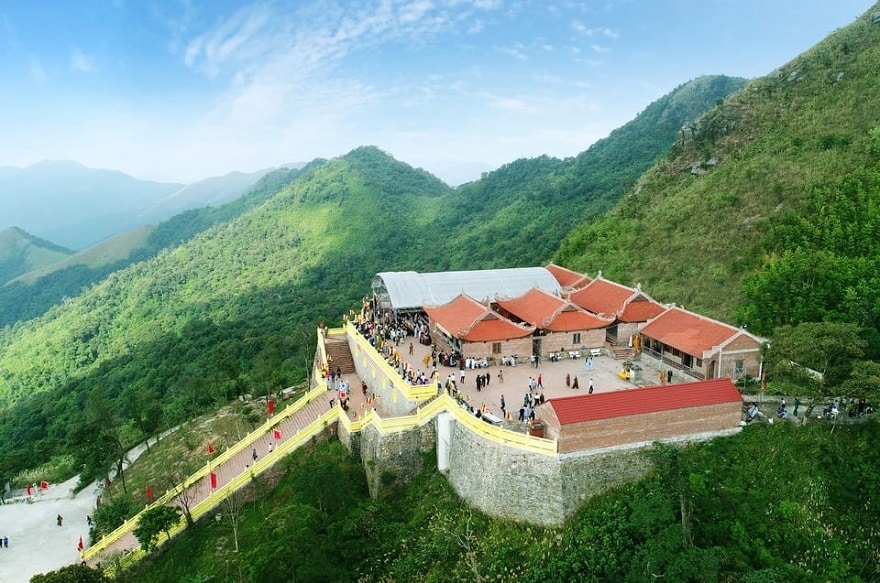
Ngoa Van Pagoda – A destination for spring travel and Buddhist pilgrimages
Ngoa Van Hermitage: This is where King Tran Nhan Tong chose to renounce the throne and pursue a life of Buddhist asceticism in 1299, after abdicating in favor of his son, King Tran Anh Tong. The two-story structure was built using ironwood and brick. The hermitage features eight square windows, symbolizing the Bagua (eight trigrams). Inside, the altar enshrines King Tran Nhan Tong, accompanied by artworks depicting his life and spiritual journey.
An Ky Sinh Statue: These two stone statues, carved in the 17th century, are located behind Van Tieu Pagoda. The 2.5-meter-tall An Ky Sinh statue depicts a legendary immortal who practiced on Yen Tu Mountain and is credited with helping King Tran Nhan Tong establish the Truc Lam Zen sect.
Statue of Buddha Emperor Tran Nhan Tong: Also carved from stone in the 17th century and situated behind Van Tieu Pagoda, this 3-meter-tall statue serves as a symbol of his enduring spiritual presence in nature. Recognized as a national treasure in late 2020, the statue is currently enshrined at the Hue Quang Tower in Hoa Yen Pagoda. Tran Nhan Tong, the third monarch of the Tran Dynasty, made profound contributions to the development and defense of the nation before devoting his life to Buddhism and founding the Truc Lam Yen Tu Zen school.
Heaven’s Gate – Buddha Stele: These two distinct architectural landmarks are located near the summit of Yen Tu Mountain. Heaven’s Gate is a rectangular stone arch, approximately 1 meter high and 0.5 meters wide, symbolically representing the boundary between the mortal world and the divine, life and the afterlife. The Buddha Stele is a square stone monument, about 3 meters tall and 2 meters wide, engraved with the image of Shakyamuni Buddha seated on a lotus throne, accompanied by the inscription “Truc Lam Yen Tu Buddha.” The stele is considered a symbol of the harmony between Buddhism and the nation.
Festivals at Yen Tu Mountain
Festivals at Yen Tu Mountain are spiritual and cultural events dedicated to honoring the merits of Emperor-Monk Tran Nhan Tong and the Truc Lam Zen sect. These festivals typically take place during the early spring, from the first to the third lunar month. Notable festivals on Yen Tu Mountain include:
- Dong Pagoda Seal Opening Festival: This marks the official commencement of festivities on Yen Tu Mountain. Held on the 10th day of the first lunar month at Dong Pagoda—the largest bronze pagoda in Asia, perched atop the mountain—the festival features solemn rituals such as offerings, requiems, prayers for peace and blessings, the formal seal-opening ceremony, and charity distributions. The Dong Pagoda Seal Opening Festival attracts thousands of visitors and pilgrims who come to pay their respects.
- Giai Oan Stream Festival: Held on the 15th day of the first lunar month4 at Giai Oan Stream—a renowned spiritual landmark on Yen Tu Mountain. The stream is associated with the legend of the hundreds of royal concubines who followed Emperor Tran Nhan Tong as he renounced the throne to embrace Buddhism. When the Emperor passed away, these women took their own lives to prove their loyalty and innocence. The Giai Oan Stream Festival is held to honor and commemorate their memory, featuring activities such as offerings, requiems, palanquin processions, parades, and water puppetry.
- An Ky Sinh Festival: Celebrated on the 20th day of the first lunar month in the area surrounding the statue of An Ky Sinh, a legendary immortal said to have attained enlightenment on Yen Tu Mountain. This festival is held to pay homage to An Ky Sinh’s legacy of devotion and service. Festivities include offerings, prayers for peace, requests for blessings, and traditional lion and unicorn dances.
Yen Tu Mountain is a premier spiritual destination in Vietnam, home to numerous relics linked to the Truc Lam Zen sect and Emperor-Monk Tran Nhan Tong. The festivals held here in early spring serve to honor the merits of our ancestors while praying for a peaceful and prosperous year. By participating in these festivals, visitors not only immerse themselves in a sacred atmosphere but also enjoy the majestic natural scenery and partake in unique cultural activities. Yen Tu Mountain is an unmissable stop when traveling to Quang Ninh, a site that plays a vital role in preserving and promoting the traditional culture of the Vietnamese people.
Read more: Yen Tu 1-Day Tour