Have you ever dreamed of a pristine little island where untouched natural beauty harmonizes with the endearing playfulness of bold monkey troops? If so, Cat Ba Monkey Island—historically known as Cat Dua Island—is an unmissable destination on your journey to discover the magnificent Lan Ha Bay. Nestled in the heart of this global natural heritage, the island captivates travelers not only with its powdery white-sand beaches and turquoise waters, but also by its unique four-legged “residents,” who have become an inseparable icon of this sanctuary.
This comprehensive guide will accompany you on your adventurous escape to Monkey Island. We will delve into the most seamless transportation methods, update you on the latest ticket prices, and unveil unmissable experiences—from immersing yourself in the refreshing waters of pristine beaches, experiencing the thrilling yet delightful opportunity to observe and safely interact with the resident monkeys, to challenging yourself with a mountain trek for panoramic bay vistas. All the essential travel insights for Cat Ba Monkey Island are revealed below, promising an unforgettable voyage!
Introduction to Cat Ba Monkey Island
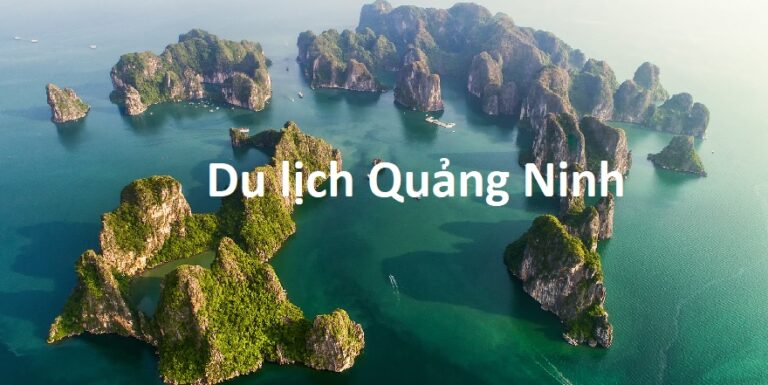
Tucked away within the magnificent ink-wash landscape of Lan Ha Bay – a “forgotten paradise” belonging to the Cat Ba archipelago, Hai Phong, lies a diminutive island possessing an extraordinary allure: Monkey Island. Originally named Cat Dua Island (Pineapple Island), it has long remained an essential retreat for connoisseurs of untouched wilderness and those seeking singular encounters with nature.
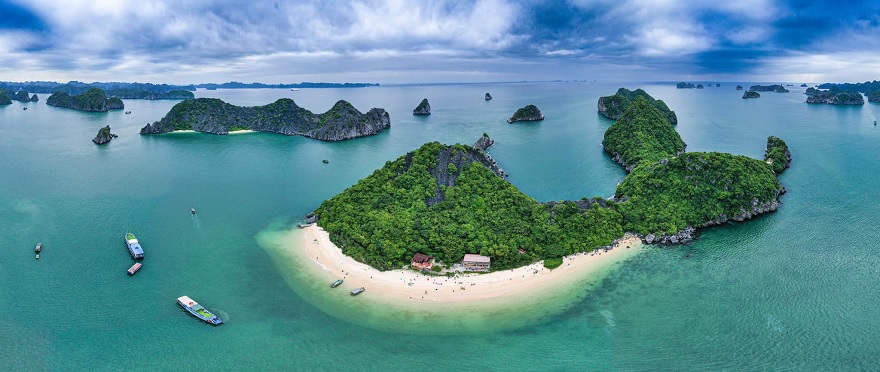
Despite its modest area of approximately 0.2 km² and a perimeter of about 3 km, Cat Ba Monkey Island harbors a breathtakingly seductive charm. Majestic limestone mountain ranges, forged by millions of years of geological formation, rise steeply to cradle immaculate, powdery white-sand beaches. As a flawless finishing touch, crystal-clear turquoise waters gently caress the shore, inviting visitors to surrender to the allure of exploration.
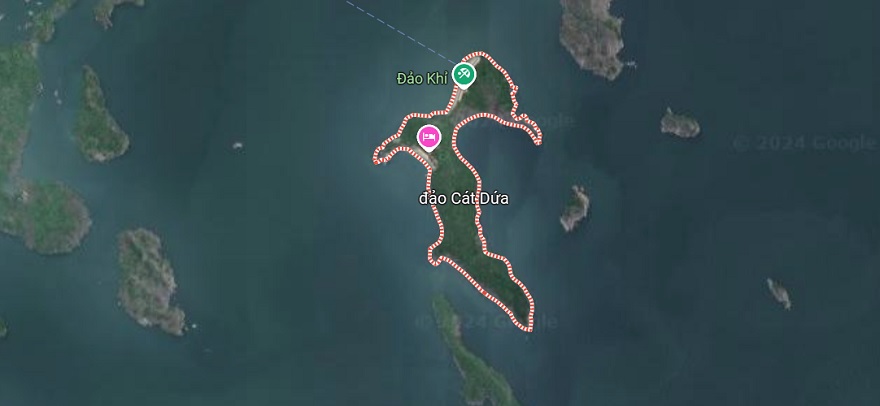
Few know that prior to rising to fame as “Monkey Island,” this enclave bore a more rustic moniker: Cat Dua Island. The name derived from the dense thickets of wild pineapples (a plant belonging to the Pandanus genus) that once blanketed the island. These plants not only contributed to the unique topography but were also deeply intertwined with the lives of local fishermen; while the wild pineapples were not directly edible, they were harvested to brew refreshing drinks or dried for traditional medicinal use.
The island’s transformation began in 1993. Seeking to heighten visitor appeal, the Forest Protection Department decided to introduce new “residents” to the island. Roughly 10 primates were gathered from the Hanoi Wildlife Rescue Center and released into this semi-wild habitat. Since then, the moniker Monkey Island has gradually become synonymous with playful, agile primates swinging through the branches and frolicking along the sandy shores.
Today, Cat Ba Monkey Island enchants travelers not only through its sublime landscape of mountains and waters and dreamlike beaches, but also through the presence of these distinctive “hosts.” This harmonious blend of serene wilderness and delightful monkey encounters has elevated Monkey Island into one of the most celebrated and beloved destinations within the cruising routes of Lan Ha Bay and the majestic Cat Ba archipelago.
Directions and Excursion Costs for Cat Ba Monkey Island
The journey to Cat Ba Monkey Island is relatively straightforward, yet understanding logistical routes and associated expenses is essential for a seamless and proactive voyage. Below are detailed guidelines to help you effortlessly set foot on this picturesque isle.
How to Get to Cat Ba Monkey Island:
- Traveling to Cat Ba Town From Hanoi or neighboring provinces, you can select from various transport options such as coach buses, luxury limousines, or motorbikes (for adventurous spirits) to reach Hai Phong City, then proceed via ferry or high-speed boat to Cat Ba Island. Alternatively, direct shuttle buses operate from Hanoi straight to the center of Cat Ba town.
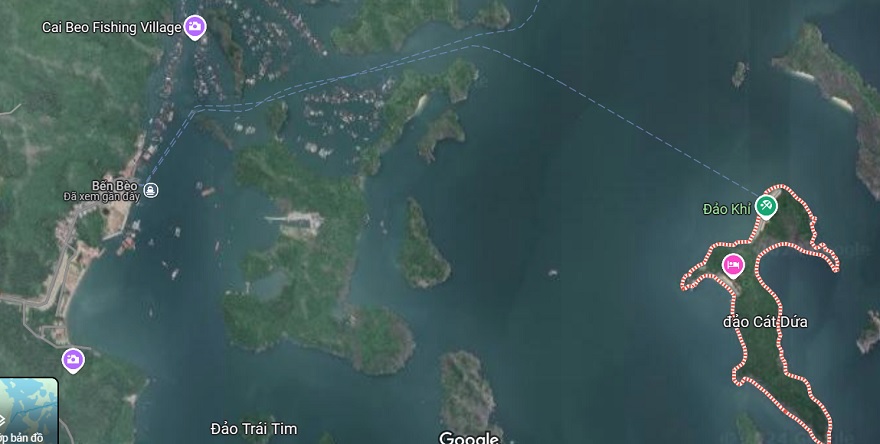
- From Cat Ba Town to Beo Pier Upon arriving in Cat Ba town, you will need to transfer to Beo Pier. Situated roughly 2 kilometers from the town center, the pier is easily accessible via taxi or motorbike taxi (xe om).
- From Beo Pier to Monkey Island by Boat: This is the final leg of your transit to the island. From Beo Pier, you will board a vessel that traverses a section of Lan Ha Bay to reach Monkey Island:
- Travel Time: Typically, this voyage takes approximately 10 to 15 minutes, depending on the vessel type and prevailing weather conditions.
- The Journey Experience: Even the short transfer forms an engaging part of the adventure. You will be treated to breathtaking vistas of Lan Ha Bay, dotted with hundreds of limestone karst islets of varied shapes and sizes. The boat may also glide past the ancient Cai Beo floating village—one of Vietnam’s oldest floating fishing communities—offering authentic insights into the marine lifestyle of the local inhabitants.
Cat Ba Monkey Island Ticket Prices and Related Expenses
- Boat Rental:
-
- Shared Boat (joining other travelers): Costs range around 150,000 VND per person (reference price).
- Private Boat Charter: For large groups or those desiring absolute privacy, private charters range from 1,600,000 VND to 2,300,000 VND per boat depending on the vessel size and category.
-
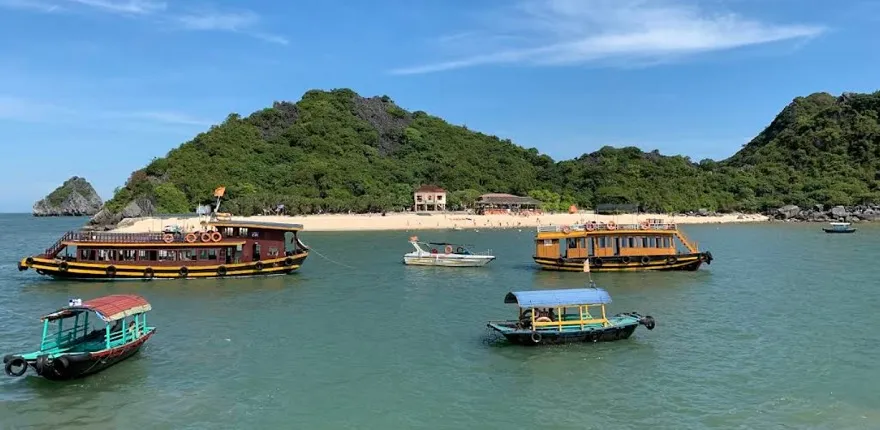
Visitors can travel to Monkey Island by boat
- Monkey Island Entrance Fee (excluded from boat fares): 80,000 VND per person; children under 1.2 meters in height are generally complimentary.
- Island Transfer Tender: During low tides when larger vessels cannot dock directly at the island pier, smaller tender boats (such as sampans or kayaks) may be required to ferry you ashore for an additional fee of approximately 10,000 VND per person.
III. Meeting the Special “Residents”: The Playful Monkeys of the Island
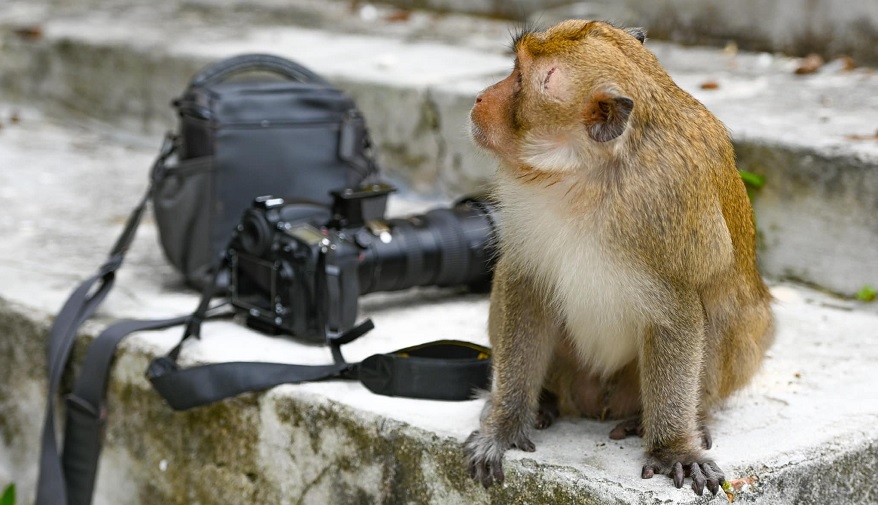
The distinctive highlight—and primary motivation—drawing countless visitors to Cat Ba Monkey Island is the rare opportunity to observe firsthand and interact (with utmost caution) with the troop of wild monkeys roaming freely across the isle. These mischievous four-legged “residents” have truly become a living symbol, an inseparable element that crafts the island’s distinct allure.
The resident monkey “family” predominantly belongs to the Long-tailed Macaque species (scientific name: Macaca fascicularis). Well-known throughout Southeast Asia, this species is celebrated for its superior intelligence, agility, and remarkable adaptability to varied environments. Their presence on the island dates back to 1993, when the Forest Protection Department introduced approximately 10 initial individuals sourced from the Hanoi Wildlife Rescue Center to enrich visitor experiences and amplify Cat Ba’s tourism appeal.
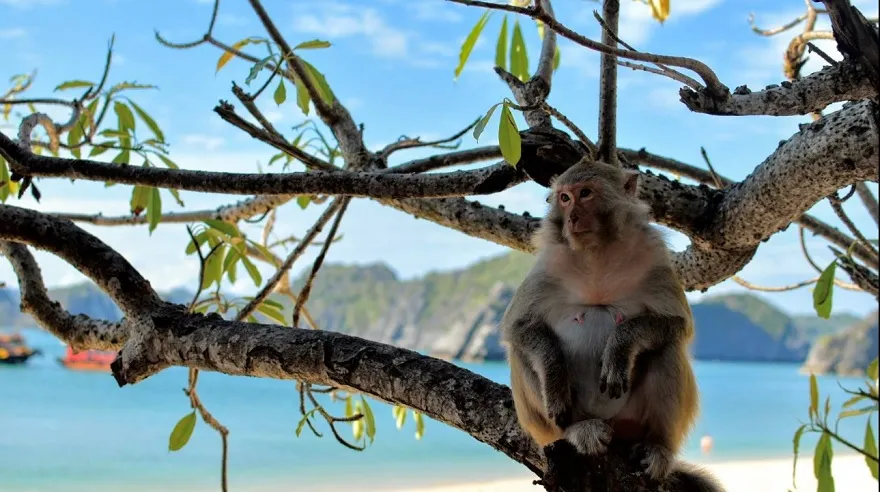
Long-tailed Macaques (Macaca fascicularis) at Cat Dua Island (Monkey Island)
Spanning nearly three decades of habitation and growth, the long-tailed macaque population on Monkey Island now numbers an estimated 20 individuals, forming a compact yet intensely dynamic and vibrant community. Visitors will readily notice that these macaques are quite accustomed to humans; they project intelligence, cunning, and boundless curiosity toward their surroundings, especially toward newcomers. They rarely hesitate to approach people, particularly around Cat Dua Beach 1—the hub of activity where they often anticipate handouts. The sight of these macaques darting swiftly through rugged cliffs, frolicking exuberantly on white sands, or performing impressive “acrobatics” among tree branches forms an indelible memory for travelers exploring this isle.
Golden Rules for Interacting with Cat Ba’s Island Monkeys
Even though these monkeys appear friendly and endearing, it is vital to remember that they remain wild animals with potentially unpredictable behavior. To safeguard yourself, your companions, and the monkey troop, strict adherence to the following code of conduct is mandatory:
- ABSOLUTELY DO NOT FEED THE MONKEYS: This is the most crucial rule. Human food (confectionery, unsuitable fruits, processed snacks, etc.) harms their digestive systems and health, while altering natural foraging instincts, rendering them dependent and increasingly aggressive when demanding food. Monkeys rummaging through trash for leftovers also creates sanitation issues and adversely impacts the island’s ecosystem.
- Maintain a Safe Distance: Always keep a respectful distance from the troop. Avoid attempting to approach too closely, touch, or cuddle them, regardless of how tame they may appear.
- Do Not Tease or Provoke the Monkeys: Refrain from actions that might cause them to feel threatened or agitated, such as shouting, staring directly into their eyes, or making sudden movements. Such behavior can provoke defensive reactions like biting or scratching.
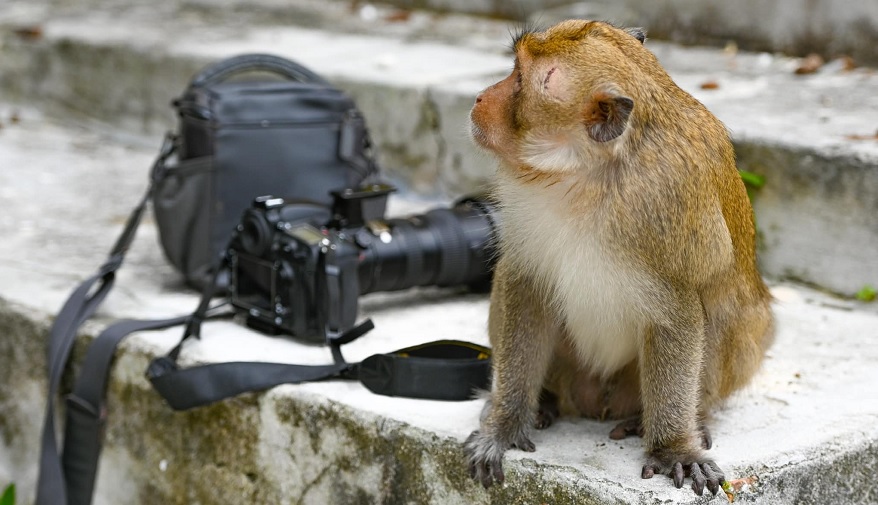
- Safeguard Personal Belongings: The island monkeys are remarkably agile with a “talent” for snatching items. Exercise heightened vigilance regarding food, beverages, phones, cameras, glasses, hats, jewelry, and any small, shiny objects. Keep handbags and backpacks securely zipped and firmly fastened.
- Observe Quietly and Calmly: The best way to appreciate their presence is to observe from a distance with composure and silence, ensuring you do not disrupt their natural routines.
- Supervise Children Closely: If traveling with children, parents must attentively monitor them, preventing youngsters from initiating close contact or offering food to the monkeys.
Observing these rules ensures a safe, delightful experience while demonstrating profound respect for wildlife, preserving the monkey troop—the living treasures of Cat Ba Monkey Island.
Things to Do on Cat Ba Monkey Island? Unmissable Activities
Cat Ba Monkey Island seduces travelers not only through its playful primates, but also by offering a myriad of engaging experiences immersed in the untamed, majestic wilderness of Lan Ha Bay. Whether you favor vibrant energy or peaceful moments, this island fulfills every desire.
1. Swimming and Relaxing at Exquisite Beaches: Cat Dua 1 & Cat Dua 2
This scenic isle is gracefully endowed with two primary beaches, Cat Dua 1 and Cat Dua 2, each possessing its own distinct ambiance and beauty, promising moments of sublime relaxation.
Cat Dua Beach 1 serves as the primary gateway and central beach of the island. Featuring a sweeping crescent of powdery white sand embracing crystal-clear, refreshing azure waters, it unfolds like a living masterpiece. Lined with swaying green coconut palms that cast gentle reflections, the ambiance here is vibrant and lively—ideal for swimming, sunbathing under warm golden rays, or engaging in team-building games and beach sports. Visitors can easily find rental services for swimming floats, swimwear, and rustic thatched huts serving basic refreshments.
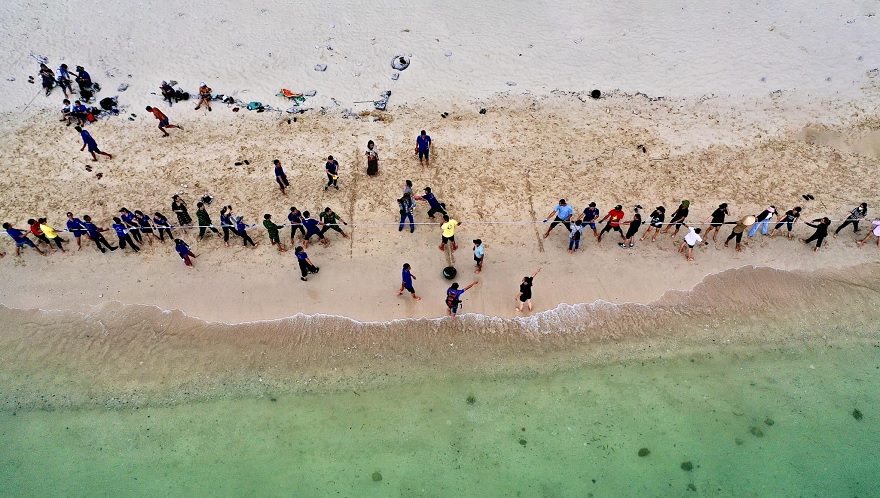
Should you seek a more private, tranquil sanctuary, Cat Dua Beach 2 provides the ultimate choice. Tucked discreetly on the eastern side of the island—typically accessed by traversing a rocky headland locals affectionately dub the “tiger-shaped cliff”—this beach exudes an untouched, serene charm. It features a verdant enclave adorned with native island flora such as coastal pine trees (Phong Ba), white apples, and wild pineapples, enhancing the secluded green atmosphere. Notably, Monkey Island Resort is also situated here, offering refined comfort for overnight guests. Cat Dua Beach 2 is ideal for reading, bathing in immaculate waters, or trying activities like snorkeling and SUP paddling. It also serves as the traditional starting point for those wishing to conquer the island’s peak.
2. Observing and Photographing the Monkey Troop
Naturally, the core highlight and signature attraction of visiting Monkey Island remains observing and capturing endearing moments of the mischievous long-tailed macaques. You can spend time watching them frolic on the sand, deftly navigate tree canopies, or curiously forage for food. It offers a wonderful opportunity for distinctive photography. However, please always remember and strictly adhere to the safety guidelines detailed in Section III. This guarantees your safety while honoring the natural lives of the monkeys, ensuring a joyful and responsible encounter.
3. Trekking to Conquer Cat Ears Peak – Panoramic Vistas of Lan Ha Bay from Above
For adventure enthusiasts undeterred by physical challenges, ascending to the highest peak on Monkey Island—commonly known as Cat Ears Peak (Dinh Da Tai Meo)—guarantees an unforgettable experience. Navigating through rugged trails, your reward is an awe-inspiring, sweeping panorama of Lan Ha Bay, where hundreds of limestone islands of varied forms and scales emerge from azure waters like a divine artistic creation.
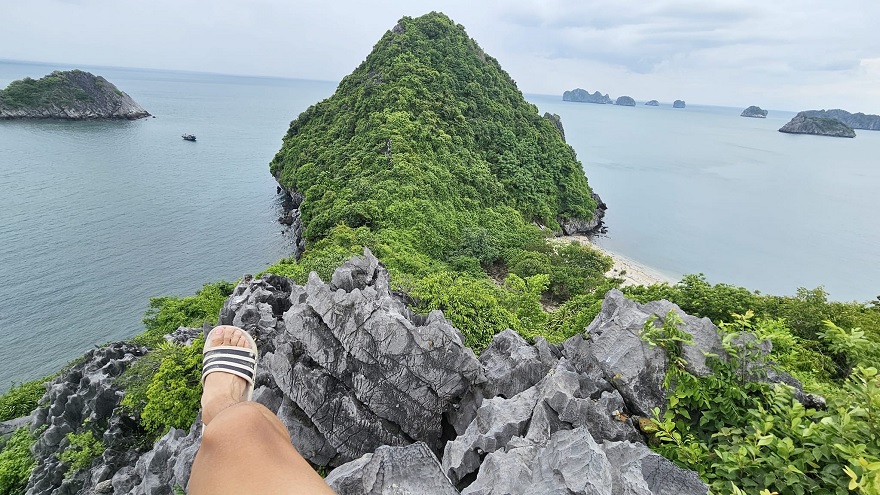
However, to ensure a safe and complete trek, note that the ascent is steep, featuring sharp limestone outcrops that can be slippery, especially following rain or during early morning dew. This activity demands good physical stamina, agility, and meticulous caution with every step. Wearing specialized walking shoes or hiking boots with strong traction is mandatory; flip-flops, sandals, or smooth-soled footwear must be avoided. For enhanced safety, trekking with experienced guides or in small groups is recommended, and do not forget to carry sufficient drinking water.
4. Kayaking & SUP Boarding – Exploring Coastal Waters
One of the most exquisite ways to fully appreciate the tranquil majesty of the seas surrounding Monkey Island is paddling a kayak or stand-up paddleboard (SUP). Gliding gently across the jade-green waters of Lan Ha Bay, you will navigate around towering limestone feet and explore secluded coves inaccessible to larger vessels. This offers not only an engaging physical pursuit, but also a moment to immerse yourself completely in natural stillness, listening to lapping waves and admiring unique topography from an alternate perspective. Kayak rental services are readily available around Cat Dua Beach 1 to launch your independent exploration.
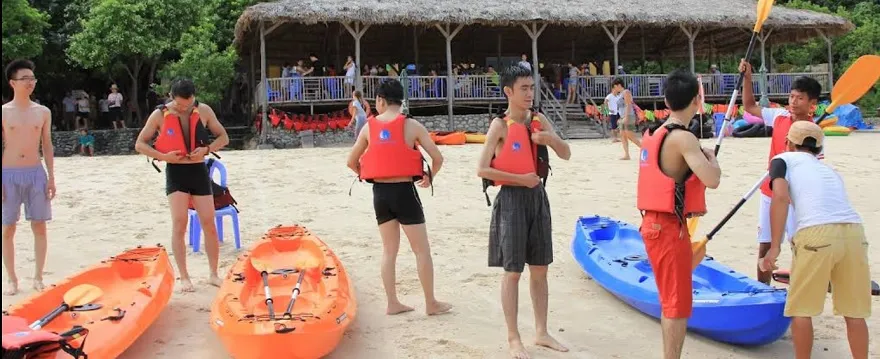
Kayaking Experience at Monkey Island
5. Snorkeling & Scuba Diving – Unveiling the Underwater Realm
Beyond surface splendor, the magical marine universe surrounding Monkey Island harbors myriad wonders. The waters near Cat Dua Beach 2 are particularly renowned for relatively diverse coral reefs inhabited by colorful fish and marine organisms. Engaging in underwater exploration—whether snorkeling or scuba diving—grants you the opportunity to admire an entirely vibrant, colorful subaquatic ecosystem.
For scuba diving, professional guided tours are typically available, providing essential safety equipment to secure your underwater adventure. Reference pricing for a 30-minute introductory scuba dive ranges around 1,000,000 VND per person. This promises an indelible memory for ocean enthusiasts.
Cat Ba Monkey Island – a hidden gem nestled within Lan Ha Bay, promising unforgettable experiences through pristine marine landscapes, charmingly mischievous monkeys, and a wealth of engaging activities. What are you waiting for? Plan your expedition to this enchanting isle today!