Have you ever heard of Tran Island—the furthest island from the mainland in Quang Ninh province? It is an ideal destination for those who love to explore pristine, peaceful, and poetic seascapes. Join us as we uncover the secrets of Tran Island in this article!
An Introduction to the Geography of Tran Island
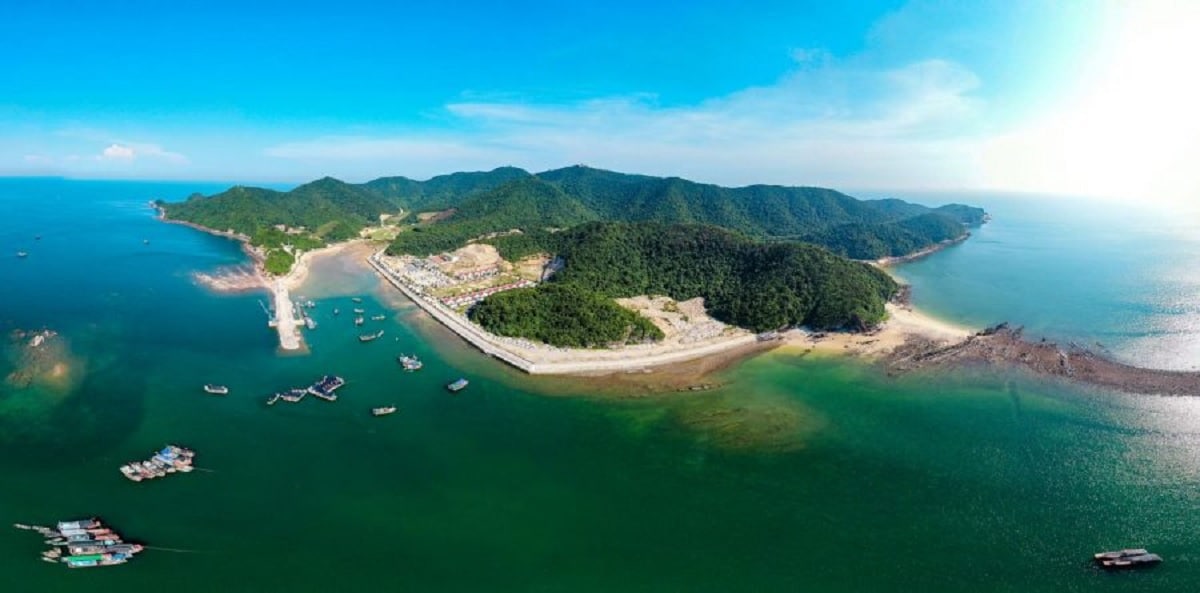
Tran Island Co To
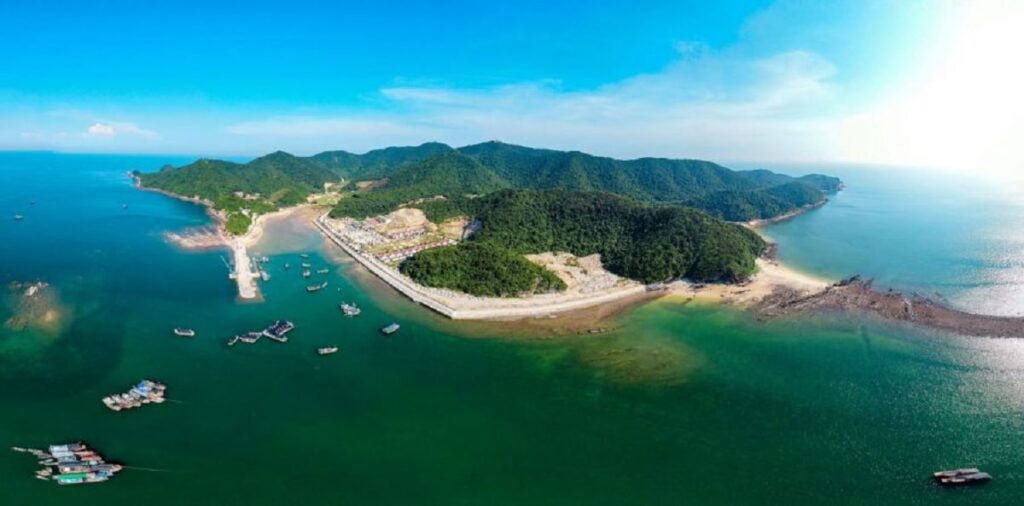
Tran Island, also known as Chan Island, is a remote gem located in the northeast of the Co To Island archipelago, Vietnam. The island belongs to Thanh Lan Commune, Co To District, Quang Ninh Province. It holds the distinction of being the furthest point from the mainland in all of Quang Ninh. Situated in the open sea, the island lies 45 km northeast of Big Co To Island and 25 km south of Van Gia Port in Mong Cai City.
Tran Island covers an area of 4.4 square kilometers and is shaped somewhat like an “S.” It features two main coastlines—the north and south—while the remainder of the island is defined by high, rugged cliffs. Freshwater is scarce, with only a few shallow wells and rainwater serving as the primary sources. The island is home to the Tran Island Battalion of the 242nd Coastal Defense Infantry Brigade, Border Guard Station No. 6, and Radar Station 480. Apart from the military and border guard personnel, Tran Island was historically uninhabited. Today, sixteen households have settled on the island, with plans for more residents to relocate here in the future.
Tran Island enjoys a mild climate, avoiding extreme heat in the summer and harsh cold in the winter. The best time to visit is between March and May each year, when the sea is calm and waves are gentle. It is highly recommended to avoid winter, as the northern weather during this time can be cold, overcast, and foggy, obscuring the beautiful sea views.
To reach Tran Island, you can take a boat from Cai Rong Port to Co To, then transfer to another vessel bound for Tran Island. Alternatively, you may travel from Mong Cai, Mui Ngoc, or Vinh Thuc before catching a boat to the island. However, please be sure to monitor weather conditions and sea swells closely to choose the most suitable time for your journey.
Experiences and Attractions on Tran Island
Tran Island is a pristine, hidden gem largely untouched by the masses. Upon arriving at Tran Island, you will be captivated by the serene beauty of the turquoise waters, powdery white sands, and swaying green coconut palms. It is an idyllic sanctuary for those seeking to breathe in the crisp, fresh air and rejuvenate their soul. Beyond its tranquil shores, Tran Island offers several remarkable landmarks and experiences:
The Lighthouse: Constructed in 1996, this lighthouse stands 203.7 meters above sea level and reaches 17.7 meters in height from its base. It serves as a vital navigational beacon, ensuring the safety of vessels traversing the Gulf of Tonkin. From the summit, you can enjoy a panoramic view of the entire island and the vast ocean—a perfect vantage point for photography and witnessing breathtaking sunsets.
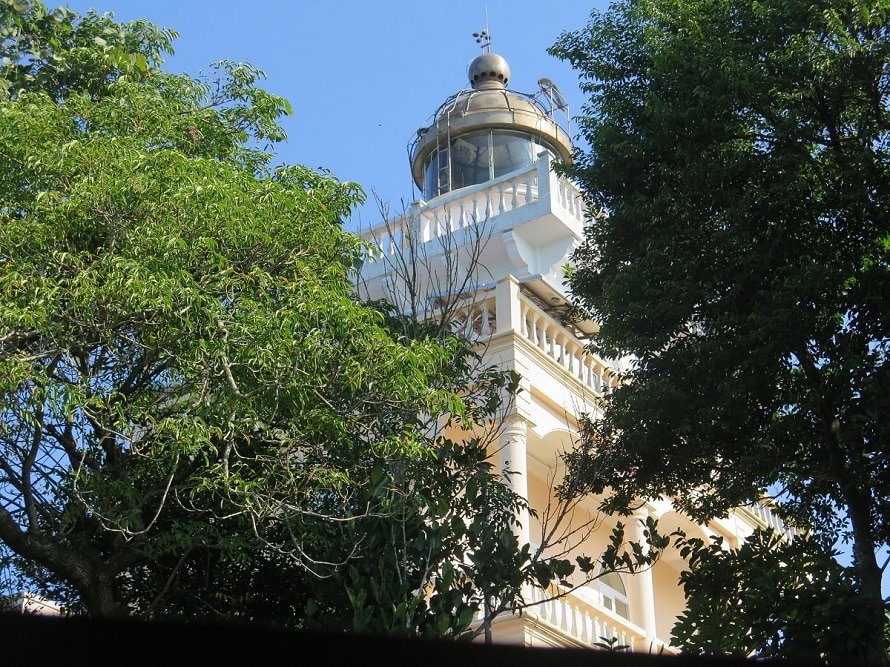
A glimpse of the Tran Island Lighthouse
The National Flag Pole: One of seven iconic flag poles erected on the nation’s frontline islands as part of the 2013-2020 National Youth Island Development Project. Construction began on March 21, 2015, at the island’s highest point—188 meters above sea level, adjacent to the Naval Radar Station 480. Standing here, you can behold a majestic view of the island and the sea, while feeling a profound sense of national pride and patriotism.

The Flag Pole on Tran Island
Beaches: Tran Island boasts an array of pristine, beautiful beaches characterized by fine white sand and crystal-clear azure waters. Whether you wish to swim, unwind, sightsee, or capture stunning photographs, you will find your perfect spot. Notable beaches include East Beach (Bai Dong), South Beach (Bai Nam), and West Beach (Bai Tay). East Beach is the longest and widest, lined with refreshing coconut trees. South Beach is a quiet, pristine haven teeming with coral reefs and diverse marine life. West Beach is a smaller, more intimate beach, offering a romantic and poetic atmosphere.
Tran Island, Co To
Kumquat Orchards: A unique specialty of Tran Island, these orchards are cultivated directly in the white sandy soil, creating a picturesque landscape. The kumquats here are prized for their sweet, aromatic flavor and high vitamin C content. Visitors are welcome to enjoy them fresh or purchase them as a local gift. These orchards serve as a symbol of life and hope for the island’s resilient residents.
Snorkeling: For those captivated by the wonders of the deep, snorkeling is a must-try experience. Tran Island is home to vibrant, flourishing coral reefs populated by schools of colorful fish, jellyfish, starfish, and other fascinating marine creatures. You can snorkel at South Beach or West Beach, where the waters remain calm and transparent. All necessary equipment, including snorkels, masks, and life vests, is provided, accompanied by professional guides. You may also opt for underwater photography and videography services to capture your most memorable moments beneath the waves.
Essential travel tips and notes for visiting Tran Island
Tran Island is an idyllic destination for those who cherish untouched natural landscapes and the tranquil beauty of coastal life. A small gem belonging to the Co To archipelago in Quang Ninh province, the island spans approximately 16 km² and is home to a community of about 300 residents. To ensure a seamless and unforgettable journey to Tran Island, please keep the following tips in mind:
- Ideal Time to Visit: The best time to experience Tran Island is during the summer, from April to September, when the weather is dry, the seas are calm, and the skies are clear. This is the perfect window to enjoy the pristine white-sand beaches, turquoise waters, and vibrant coral reefs. It is advisable to avoid the winter months, from October to March, as the seas can be rough and winds cold, making travel and island living quite challenging.
- Transportation: You can travel via speedboat or traditional wooden boat from Cai Rong or Van Don port to Co To, then arrange passage from Co To to Tran Island via Border Guard speedboats or by requesting a lift from local fishermen. The journey typically takes 3–4 hours. Alternatively, you may travel directly from Van Gia Port (Mong Cai) to Tran Island by speedboat or local fishing vessel, which takes about 2–3 hours. It is highly recommended to contact transport providers in advance to confirm schedules and fares. Once on the island, you can rent a motorbike or bicycle to navigate the area.
- Accommodation: Currently, there are no hotels or commercial guest houses for visitors on Tran Island. You may choose to camp on the beach or rent a room from a local family at a modest price. Many travelers also opt to return to Co To for overnight stays after a day on the island. If you plan to camp, please bring your own tent, sleeping bag, raincoat, and personal essentials. For those wishing to rent a room, it is best to connect with local households beforehand to discuss availability and living conditions.
- Dining: Tran Island offers limited dining establishments. You can purchase fresh seafood directly from local fishermen and prepare it yourself or ask the locals to cook it for you. We suggest carrying your own drinking water and light snacks for convenience. Must-try local delicacies include grouper, mackerel, red snapper, shrimp, crab, various shellfish, and local seaweed. You might also enjoy the local kumquats—a fruit with a distinctively sweet and sour flavor unique to the island.
- Activities: Tran Island is brimming with compelling sights and experiences, including the national flag pole, the lighthouse, beautiful beaches, coral reefs, fishing villages, and kumquat orchards. Whether you choose to swim, snorkel, hike to the lighthouse, capture stunning photographs, engage with the local community, or indulge in fresh seafood, there is much to explore. Some of the most peaceful beaches include Dong Beach, Tay Beach, and Golden Sand Beach. If you plan to explore the coral reefs, visit in the morning during low tide with snorkeling gear. For the lighthouse hike, aim for the cooler afternoon hours to catch a breathtaking sunset. Fishing village tours are best experienced early in the morning or late afternoon when boats are departing or returning. If you hope to pick fresh kumquats, plan your visit for December or January when the fruit is in full season.